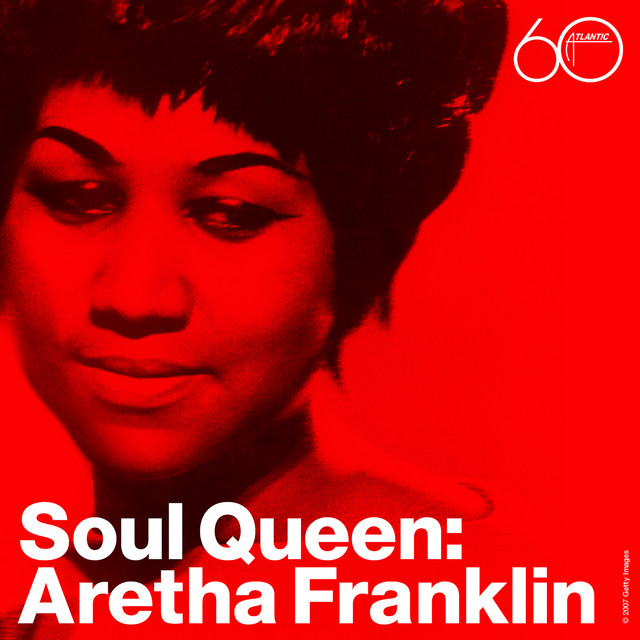
Why Aretha Franklin's 'Let It Be' Hits Different
The meaning of Let It Be Aretha Franklin starts with comfort, but it does not end there. In her hands, the song becomes a soul-gospel statement about endurance, faith, and calm during pain.
"Let It Be" - Aretha Franklin
Mother Mary comes to me
Speaking words of wisdom
Loading lyrics...
Unable to load lyrics
We're unable to display the lyrics at this time. Please try again later.
Paul McCartney wrote the song and linked it to a dream about his late mother, Mary, a story widely documented in accounts of the song’s origin. Aretha Franklin then recorded and released her version in January 1970, before the Beatles issued their own single in March 1970. That unusual timeline matters because it shows how quickly she recognized the song’s emotional power.
A Message of Peace, Not Passive Surrender
At its core, this song tells listeners to stop fighting every storm at once. The repeated phrase let it be
is not about giving up. It is about accepting what cannot be controlled in the moment so a person can survive it.
In the verses, the speaker moves through trouble, darkness, separation, and uncertainty. Yet each image points back to reassurance. Phrases like words of wisdom
and there will be an answer
suggest that peace may arrive before solutions do.
Interpretation: Aretha Franklin emphasizes this idea with more emotional force than a simple pop reading. Her performance sounds like advice delivered from lived experience. She does not just sing comfort; she embodies it.
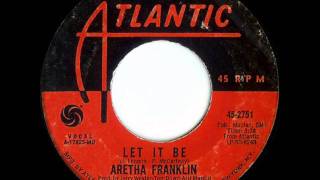
Watch the official Let It Be
music video
Why Aretha’s Version Feels More Spiritual
McCartney said the song grew from a dream of his mother Mary, though many listeners have also heard a religious echo in Mother Mary
. He generally allowed both readings to exist. That openness gives Aretha a wide emotional space.
For an artist so deeply tied to gospel language and church-rooted expression, the line naturally carries sacred weight. Even if the original idea was personal, Aretha’s voice makes it sound communal, like counsel offered to anyone carrying grief.
And when the night is cloudy
There is still a light
Shine until tomorrow
Those images turn darkness into a temporary state, not a final verdict. In Aretha’s reading, hope is not abstract. It feels sung into the room.
From Private Dream to Public Testimony
One reason this song lasts is that it moves from one person’s pain to everyone’s. It begins in inward struggle, then widens toward broken-hearted people
living in the same world.
That shift is important for the meaning of Let It Be Aretha Franklin. Her style has always been powerful at bridging the personal and the collective. A line that might sound like one person remembering a mother becomes, in her performance, something closer to testimony.
They can hear three stages in the lyric:
- Trouble arrives.
- Wisdom interrupts panic.
- Hope becomes shareable.
That structure helps explain why the song works at funerals, memorials, benefit concerts, and hard public moments. It offers comfort without pretending pain is easy.
How the Sound Carries the Meaning
The arrangement matters as much as the words. The song lives in a space shaped by piano, organ, steady rhythm, and gospel-soul phrasing. Those elements support the lyric’s promise of stability.
Aretha Franklin’s voice is the center of gravity. She uses dynamics like a preacher and a comforter at once, moving from control to release without losing clarity. That style turns the hook into conviction instead of mere repetition.
Factual context: The song itself is credited to Lennon-McCartney, and McCartney sent a demo to Jerry Wexler, who passed it to Aretha Franklin. Her version arrived before the Beatles’ official single release. That detail is a key part of the song’s history and helps explain why her cover is not just a later tribute but an early, major interpretation.
A Soul Reading of the Chorus
The chorus keeps returning because the problem has not vanished. Instead, the song teaches a new posture toward pain.
Interpretation: In Aretha’s version, the refrain sounds less like resignation and more like trust. When she leans into the phrase, she suggests that letting things be can mean leaving room for healing, God, time, or truth to work.
That is why one small variation near the end matters. The move toward leave it alone
sharpens the message. Stop wrestling the hurt every second. Step back. Breathe. Wait.
Why This Version Still Connects
Aretha Franklin had a rare ability to make songs sound both timeless and immediate. Here, she transforms a well-known composition into a piece of emotional guidance.
The Beatles’ version is hymn-like and reflective. Aretha’s is warmer, earthier, and more rooted in soul. Neither cancels the other. But her take makes the song feel especially close to people who need strength, not just beauty.
That is the lasting power of the meaning of Let It Be Aretha Franklin: it offers mercy in the middle of confusion. It tells listeners that sorrow is real, night can be long, and answers may not come quickly. Still, peace is possible before certainty arrives.
Final Thought
Aretha Franklin’s "Let It Be" is about accepting pain without surrendering hope. Through gospel feeling, soulful phrasing, and a deep sense of compassion, she turns the song into a promise that calm can survive chaos.
Disclaimer: This interpretation is based on the song’s lyrics, recording context, and documented history. As with any great song, listeners may hear meanings that are personal to them.







