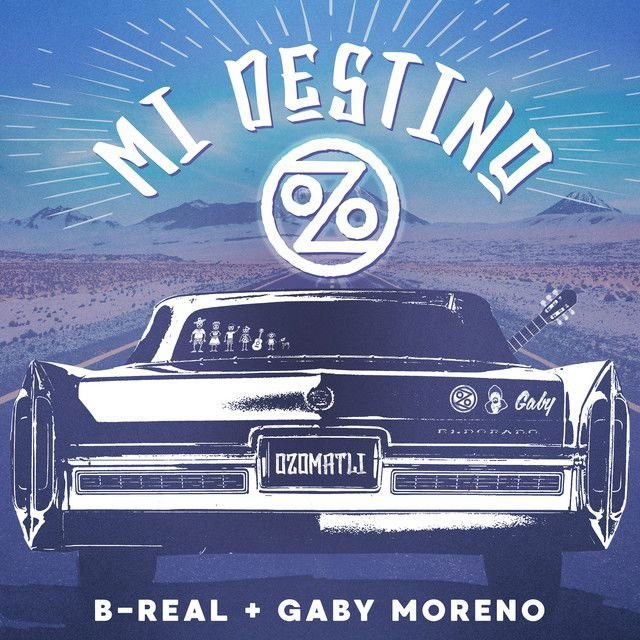
Why 'Mi Destino' Feels Like a March Forward
The meaning of Mi Destino Ozomatli, B‐Real, Gaby Moreno comes through fast: this is a song about purpose, movement, and cultural pride. It does not treat destiny like luck falling from the sky. Instead, it presents destiny as a road they keep walking, together, with music, memory, and will.
"Mi Destino" - Ozomatli, B‐Real, Gaby Moreno
Es Mi destino
Es Mi destino
Loading lyrics...
Unable to load lyrics
We're unable to display the lyrics at this time. Please try again later.
Ozomatli have long mixed Latin, hip-hop, funk, and global rhythms into socially aware songs, while B-Real is widely known for Cypress Hill and Moreno for her soulful bilingual songwriting. That blend matters here because the track sounds like a meeting point of voices and histories, not just a feature list. The credited writers include Asdru Sierra, David Garza, Gaby Moreno, Louis Freese, Raúl Pacheco, Ulises Bella, Wil Abers, Jiro Yamaguchi, and Justin Poree.
A Hook That Turns Fate Into Action
At the center is the repeated idea Es mi destino
paired with Sigo en mi camino
. In plain English, they are saying this path is theirs, and they are still moving on it. That repetition matters because it makes destiny sound active, not fixed.
Rather than waiting for permission, the song frames purpose as something confirmed by motion. Every return to the chorus feels like a reset of commitment. They are not asking where life will take them; they are choosing to keep going.

Watch the official Mi Destino
music video
The Song’s Core Message: Identity With Momentum
One layer of the song is personal. The singers describe a life guided by inner clarity, learning, and faith in the future. The lyrics suggest that people do not always see the full map ahead, but they can still trust the next step.
Another layer is collective. B-Real’s verse shifts the focus toward community and resistance. When he says never surrender
and calls them Brown and proud
, the song becomes a statement about dignity in the face of neglect. The line about dreamers and healers widens that message further, embracing people who survive, rebuild, and imagine better futures.
Interpretation: In that sense, destiny here is not private success. It is shared survival. The song suggests that a people’s future is built by staying together, honoring where they come from, and refusing to disappear.
How the Verses Build That Meaning
B-Real’s section is the most openly defiant. He speaks in the language of strength, ancestry, and earned respect. Even without naming a single opponent, the verse pushes back against systems that deny credit or visibility. That gives the song a political edge, though it stays uplifting rather than bitter.
The middle verse turns more philosophical. Ideas about clarity, journey, and future lessons make destiny sound like a process of growth. The path is not fully known, but the movement itself creates wisdom.
Then Gaby Moreno’s verse changes the texture. She brings earthier and more poetic images: each step as a dance, each breath as a song, and dreams colored by everyday flavors and landscapes. Her language turns destiny into something sensual and lived. It is not just ideology; it is breath, soil, memory, and art.
Cada paso, una danza
Cada aliento, una canción
Those lines capture the song’s gentlest insight: progress does not only happen through struggle. It can also happen through beauty, rhythm, and the simple act of leaving one’s mark.
Sound as Meaning, Not Just Background
The production helps explain why the song lands so clearly. Ozomatli are known for energetic, genre-crossing arrangements, and this track follows that identity with a bilingual, percussive drive that feels communal rather than solitary. Even on the page, the hook reads like a chant; in performance, it likely works as a group affirmation.
B-Real’s delivery adds grit and urgency. Moreno softens the edges with melodic warmth. That contrast is important: one voice sounds like resistance in public, the other like reflection in motion. Together, they create a fuller picture of destiny as both fight and faith.
Interpretation: The rhythm suggests forward travel. The repeated chorus acts like footsteps, while the melodic parts give the journey emotional color. That is why the song feels less like a meditation on fate and more like a march.
Why the Bilingual Writing Matters
The bilingual structure is not just style. It supports the song’s themes of identity and belonging. Spanish carries intimacy, heritage, and poetic imagery, while English often delivers direct declarations and public-facing resolve.
For U.S. listeners especially, that mix gives the song a lived cultural reality. It reflects communities that move between languages without separating emotion from politics or family from public life. In that way, the form of the song reinforces its message: unity does not require sameness.
A Few Strongest Symbols
Several motifs keep the meaning focused:
- Path and journey: destiny is something traveled, not merely predicted.
- Dreamers and healers: the future belongs to people who imagine and repair.
- Dance and song: movement and music become survival tools.
- Earth and color: identity is rooted in place, taste, memory, and touch.
These images keep the song from becoming abstract. Even when it speaks about fate, it stays grounded in bodies, voices, and communities.
Final Take on the Meaning of Mi Destino Ozomatli, B‐Real, Gaby Moreno
The meaning of Mi Destino Ozomatli, B‐Real, Gaby Moreno is ultimately about continuing with purpose when the future is uncertain. They present destiny as a lived practice: walking forward, carrying culture proudly, and making art out of struggle.
That is why the song feels both inspiring and grounded. It honors resilience, but it also honors joy. Interpretation: its deepest message may be that people find destiny not by waiting for signs, but by moving together until the path becomes clear.
Disclaimer: This interpretation is based on the song’s lyrics, performance, and artist context. As with any song, listeners may hear meanings that differ from the ones discussed here.








