Why “Chains And Things” Feels So Heavy
The meaning of Chains And Things B.B. King starts with a simple blues truth: some problems do not arrive one at a time. They pile up until a person feels trapped by work, love, money, and fate all at once. In this song, B.B. King gives that feeling a name: chains.
"Chains And Things" - B.B. King
After another one of those crazy dreams
Oh, nothing is going right this morning
Loading lyrics...
Unable to load lyrics
We're unable to display the lyrics at this time. Please try again later.
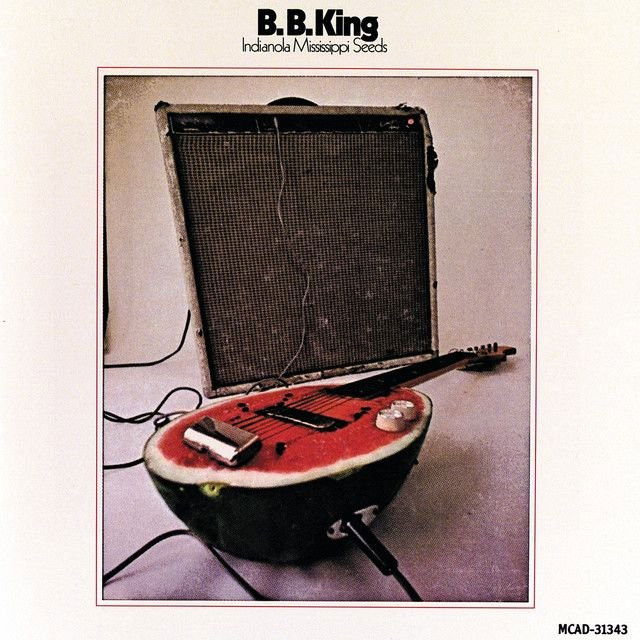
Released on the 1971 album B.B. King in London, the track was written by B.B. King and Dave Clark. It sits in a period when King was blending classic blues feeling with a fuller, modern studio sound. That matters, because the song is not only about sadness. It is about pressure that follows the speaker everywhere.
A Blues Story About Being Stuck
At the center of the song is a narrator who wakes up already defeated. The day begins after crazy dreams
, and that mood spills into the morning. Nothing feels right, and the world seems off balance before the day even starts.
From there, the song moves through a chain of ordinary troubles. There is a hard job, a troubled relationship, and no money to escape. The repeated image of chains and things
turns those problems into something physical, almost like weight on the body.
Interpretation: the song is not only describing bad luck. It suggests a whole system of limits. The speaker feels bound by class, responsibility, and emotional exhaustion. That is why the title phrase matters so much: the “things” are the many burdens that cannot even be neatly named.
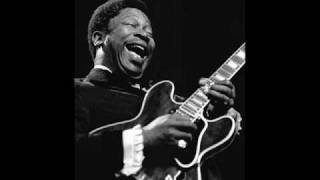
Watch the official Chains And Things
music video
How Each Verse Builds the Pressure
The song works like a day-in-the-life account of defeat. Each verse adds one more reason the speaker cannot move forward.
- They wake up with dread already in place.
- They head to work, where life feels draining.
- They describe love and labor as more forms of bondage.
- They consider leaving, but lack the money and options.
That last turn is crucial. The speaker says they would leave today, but have nowhere to go
. They also cannot afford a ticket. In other words, freedom exists in theory, not in practice.
Love and Work Become Twin Burdens
One of the song’s strongest ideas is that pain does not come from one source. The narrator has a relationship that feels damaging and a boss that feels oppressive. The details are compact, but the effect is large.
By pairing romance and labor, the song shows how private and public life can trap a person together. Home is not restful, and work is not hopeful. When both spaces feel hostile, the person in the middle starts to sound emotionally cornered.
What the Chorus Really Means
The refrain gives the song its emotional center. When the singer says they can't shake it loose
, the line does more than describe frustration. It tells listeners that this burden has lasted long enough to become part of daily life.
That is why the chorus feels bigger each time it returns. It is not a dramatic outburst. It is weary recognition. The singer is no longer shocked by hardship; they are worn down by its persistence.
These chains that bind me
Can't lose these chains and things
In just those brief lines, the song compresses its whole argument. The burden is both specific and vague, personal and social. A listener can hear debt, heartbreak, dead-end work, or plain bad luck inside the same image.
Why the Metaphor of Chains Hits So Hard
Chains are one of the oldest images in blues music, and they carry obvious force. They suggest captivity, punishment, and blocked movement. In this song, the image never needs elaborate explanation. It lands immediately.
Still, the phrase is stronger because of the added word “things.” Chains are clear; “things” are messy. Together, they capture how real suffering works. Some problems have names, while others are just heavy feelings, habits, and pressures that keep piling on.
Interpretation: that small word keeps the song open. It invites listeners to place their own burdens inside the track. The result is a blues song that feels personal without becoming narrow.
How B.B. King’s Sound Deepens the Meaning
Part of the meaning of Chains And Things B.B. King comes from performance, not only words. King’s singing sounds tired but controlled. He does not oversell the pain. Instead, he lets the ache sit in the phrasing, which makes the song feel lived-in rather than theatrical.
His guitar work adds another layer. B.B. King’s famous expressive style, often associated with “Lucille,” tends to answer the vocal lines like a second voice; the Rock & Roll Hall of Fame notes how central his guitar phrasing was to his sound. Here, that approach helps the song feel conversational, as if the guitar is carrying feelings the singer can barely explain.
The groove also matters. Rather than racing forward, the arrangement settles into a patient blues pulse. That slower drag mirrors the song’s theme: this is what it feels like when life does not open up, but keeps pressing down.
Artist Context and a Wider Reading
B.B. King often sang about pain, endurance, and emotional survival, but this song stands out for how fully it links inner feeling to outer limits. It is not just a breakup song, and it is not just a work song. It lives in the overlap.
That is why the track can be read in two ways at once:
- Literal reading: a person is trapped in a rough relationship, a bad job, and poverty.
- Interpretive reading: the song reflects a broader blues condition, where struggle feels inherited and escape feels blocked.
Both readings fit the text, and both help explain why the song still resonates.
The Lasting Takeaway
The power of “Chains And Things” comes from how clearly it turns frustration into a blues image that anyone can understand. It is about waking up tired, moving through a world that offers little relief, and knowing that wanting to leave is not the same as being able to leave.
That is the lasting meaning of Chains And Things B.B. King: hardship is not only pain. It is repetition, limitation, and the slow weight of burdens that stay attached.
Disclaimer: This interpretation is based on the lyrics, performance, and available song context. As with most blues songs, listeners may hear different shades of meaning in the same lines.








