Kerosene by Big Black
Big Black’s “Kerosene” is one of the clearest songs about how boredom can rot into danger. For listeners searching for the meaning of Kerosene Big Black, the basic idea is not hard to find: this is a portrait of a person trapped in a dead-end town, where emptiness becomes so severe that fire starts to look like entertainment.
"Kerosene" - Big Black
Live here my whole life
Probably come to die in this town
Loading lyrics...
Unable to load lyrics
We're unable to display the lyrics at this time. Please try again later.
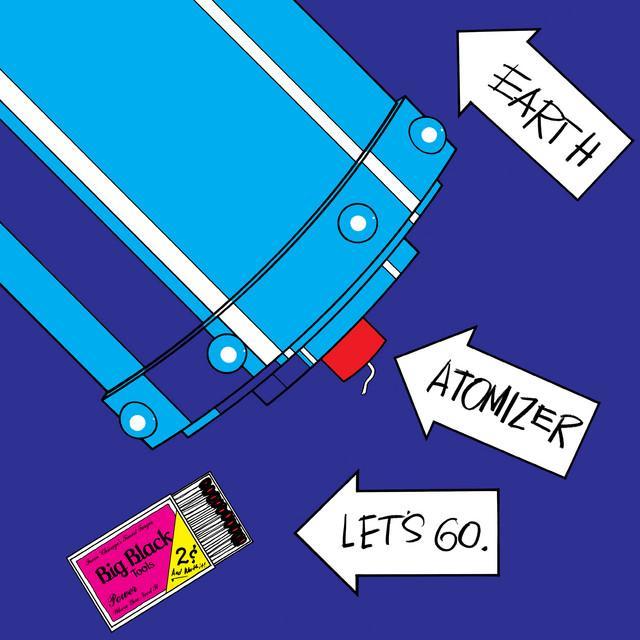
The song appeared on 1986’s Atomizer, a key release from the Chicago-area band Big Black. The group, led by Steve Albini, was known for a harsh mix of punk, noise rock, and industrial textures, especially its use of a drum machine instead of a live drummer. That mechanical feel matters here because “Kerosene” sounds as trapped and inhuman as its narrator feels.
A Small Town With No Exit
The opening lines build a life story in a few blunt strokes. The speaker says they were born in this town, have stayed there forever, and will likely die there too. The repeated idea of live here my whole life
is not proud or nostalgic. It sounds exhausted.
That repetition is the point. The song does not describe one bad day. It describes a whole life reduced to routine, stillness, and dread. When the singer says there is never anything to do
, they are not only talking about being bored on a weekend. They are talking about social decay, lack of movement, and a future that already feels finished.
Watch the official Kerosene
music video
The Song’s Story in Three Steps
“Kerosene” works almost like a short film, and its meaning gets sharper when the action is broken down.
- Stagnation: The narrator is stuck in one place and cannot imagine change.
- Emptiness: People sit at home, stare at walls, and wait for life to pass.
- Combustion: Fire becomes a tempting answer to numbness.
That movement is what makes the song so disturbing. It begins in hopeless routine and ends in reckless release. The line about there being kerosene around turns a common household fuel into a symbol of opportunity. In this world, if there is no purpose, then destruction starts to feel like purpose.
When Fire Becomes a False Solution
The central image is not subtle, and it is not supposed to be. Kerosene stands for danger, impulse, and the fantasy of feeling something intense. The repeated cry set me on fire
pushes the song beyond ordinary rebellion. This is not just about causing trouble. It is about craving sensation so badly that even self-destruction seems meaningful.
Interpretation: the song can be heard as a portrait of bored masculinity turning violent. The narrator does not find love, work, or escape. They find fuel. That makes the song feel like a critique of environments where emotional emptiness has nowhere healthy to go.
There is also a sexual undercurrent in lines that call kerosene something to do
and even personify it. That blur between desire and destruction is central to the song’s ugliness. Pleasure, danger, and boredom collapse into one impulse.
There's Kerosene around
something to do
set me on fire
In context, those phrases show how quickly the song moves from passivity to catastrophe.
Why the Sound Feels So Unsettling
Part of the meaning of Kerosene Big Black comes from the arrangement, not just the words. Big Black used a drum machine, and according to Big Black’s history, that machine-driven attack was central to their style. On “Kerosene,” the beat does not swing or breathe much. It pounds forward like a system that cannot stop.
The guitars are equally important. Critics have described the song’s guitars as sounding like shattering glass, and that image fits. The riff feels sharp, repetitive, and invasive. Instead of warming the song, the instruments scrape at it.
Albini’s vocal delivery adds another layer. He does not sing with tenderness or confession. He sounds detached, then suddenly feral. That makes the narrator feel less like a fully explained character and more like an exposed nerve.
Artist Context Changes the Reading
Big Black often wrote about extreme subjects, and their lyrics were meant to confront listeners with parts of American life that polite culture preferred not to discuss. That context matters. “Kerosene” is not shocking by accident.
Dave Riley, the band’s bassist, gave a blunt explanation: the song was about boredom in rural America and the ugly forms of excitement people may chase when they feel trapped. That brief comment supports a straightforward reading. The song is not a mystery so much as an escalation.
Still, the band’s method leaves room for discomfort. Big Black often used ugly narrators and harsh situations without giving listeners a neat moral speech. The lack of clear distance is what makes songs like this feel dangerous. They force listeners to sit inside the mindset instead of standing safely above it.
Why “Kerosene” Still Hits Hard
The song remains powerful because its social picture still feels familiar. Many listeners know places where time seems frozen, where boredom and resentment feed each other, and where reckless behavior can look like the only break in the routine. “Kerosene” exaggerates that reality, but it does not invent it.
Interpretation: the song can also be heard as a warning about what happens when people lose any sense of future. Fire is not freedom here. It is the most dramatic form of emptiness.
That is why “Kerosene” endures as one of Big Black’s defining tracks. It turns monotony into terror, and it uses brutal sound to show how quickly boredom can become a death wish.
Disclaimer: This article offers an interpretation based on the song’s lyrics, recorded performance, and documented band context. Like most art, “Kerosene” can support more than one reading.







