Redeemed by Big Daddy Weave
The meaning of Redeemed Big Daddy Weave starts with a simple but powerful idea: a person does not have to stay trapped in shame. The song is about spiritual rescue, but it is also about identity. It says that God’s view of a person can break the labels that pain, regret, and self-hatred try to place on them.
"Redeemed" - Big Daddy Weave
Haunted by ghosts that lived in my past
Bound up in shackles of all my failures
Loading lyrics...
Unable to load lyrics
We're unable to display the lyrics at this time. Please try again later.
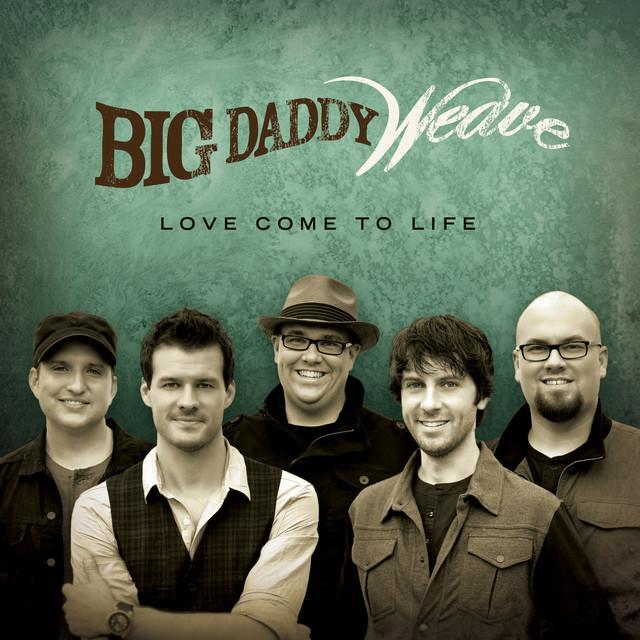
Released on Big Daddy Weave’s 2012 album Love Come To Life, “Redeemed” became the first song from that record to hit No. 1 on Billboard’s Hot Christian Songs chart, according to Songfacts. That reach matters because the song’s message is very personal, yet it connected with a wide Christian audience in the United States.
A Testimony Turned Into a Worship Song
Factually, “Redeemed” was written by Benji Cowart and Mike Weaver. Its core message grew out of Mike Weaver’s own struggle with self-image and shame. Songfacts reports that Weaver spoke openly about weight loss, disappointment, and the harsh way he talked to himself, especially before photo shoots.
That background sharpens the song’s meaning. This is not just a general church anthem about being saved someday. It is a testimony from someone who felt crushed by old failures and learned to see himself differently through faith.

Watch the official Redeemed
music video
Where the Story Begins: Shame, Memory, and Pressure
The opening verse paints a person surrounded by inner weight. The song describes struggle, past pain, and failure as if they are physical restraints. Phrases like ghosts that lived in my past
and heavy chains
turn emotional pain into images listeners can feel.
That is why the first half of the song lands so clearly. It speaks to people who feel defined by the worst parts of their story. The narrator is not dealing with one bad day; they are carrying a long history of regret.
The Voice of Defeat
Another important line of thought comes when the song talks about being called unworthy. In plain terms, the speaker has believed cruel messages about themselves for so long that those messages sound true. The phrase shame and regret
works as a summary of that inner voice.
Interpretation: This part of the song is not only about sin in a broad religious sense. It is also about self-condemnation. That makes “Redeemed” powerful for listeners facing insecurity, addiction recovery, grief, or depression, even though the song speaks in Christian language.
The Turning Point: A New Name, Not a Better Mask
The song changes when God speaks into that broken self-image. Instead of the narrator fighting alone, the message becomes one of received grace. The key shift is not self-improvement; it is redefinition.
new name, a new life
I'm not the same
Those short lines capture the song’s center. The old identity is not polished up. It is replaced. The person is no longer introduced by failure, but by redemption.
This matters in the chorus too. When the singer says I am redeemed
, they are not claiming perfection. They are claiming a new standing before God. That keeps the song from sounding proud. It is about freedom given, not freedom earned.
Why the Chorus Hits So Hard
Musically and lyrically, the chorus is built for release. The verses stay close to pain, while the chorus opens up into certainty. The repeated line You set me free
answers every image of bondage from earlier in the song.
That structure helps explain why so many listeners use the song as a personal anthem. It moves from burden to declaration. First there are chains, stains, and old names; then there is freedom, cleansing, and a changed self.
Interpretation: The chorus works because it is both vertical and personal. It speaks to God, but it also speaks over the singer’s own life. In that sense, “Redeemed” functions like both prayer and reminder.
How the Sound Supports the Message
Big Daddy Weave’s arrangement keeps the song accessible. It sits in the modern Christian pop-rock style: steady drums, warm guitars, supportive keys, and a vocal that sounds more earnest than flashy. Nothing in the production distracts from the testimony.
That restraint is a strength. The music gradually expands as the lyric moves from struggle to hope, so the emotional lift feels natural. Mike Weaver’s voice carries some rasp and strain, which fits a song about someone who has actually been through a fight.
The band’s broader style, documented on their official site, often blends congregational worship with personal storytelling. “Redeemed” is one of their clearest examples of that mix. It can work in church, on Christian radio, or in private listening after a hard day.
Why It Connected So Widely
Part of the song’s success came from timing. In the early 2010s, Christian radio strongly embraced songs about grace, healing, and identity. But “Redeemed” stood out because its language was direct and easy to grasp.
It also gave listeners a practical emotional arc:
- Admit the pain.
- Name the lies.
- Receive a different identity.
- Move forward in hope.
That sequence is one reason the meaning of Redeemed Big Daddy Weave still resonates. It does not deny struggle. It says struggle is real, but not final.
Final Meaning: Freedom From the Old Self
At its heart, “Redeemed” is about being released from a damaged view of the self through God’s love. Factually, Mike Weaver’s comments connect the song to his own healing from self-hatred. In the lyric, that healing becomes a larger message: people do not have to live under the names their pain gave them.
Interpretation: The song’s deepest claim is that redemption changes identity before it changes circumstances. A person may still remember the past, but they no longer have to belong to it.
That is why the song remains moving years later. It offers more than comfort. It offers a new way to speak about who someone is.
Disclaimer: This interpretation is based on the released song, documented artist comments, and its musical context. As with any song, listeners may connect with it in different personal or spiritual ways.







