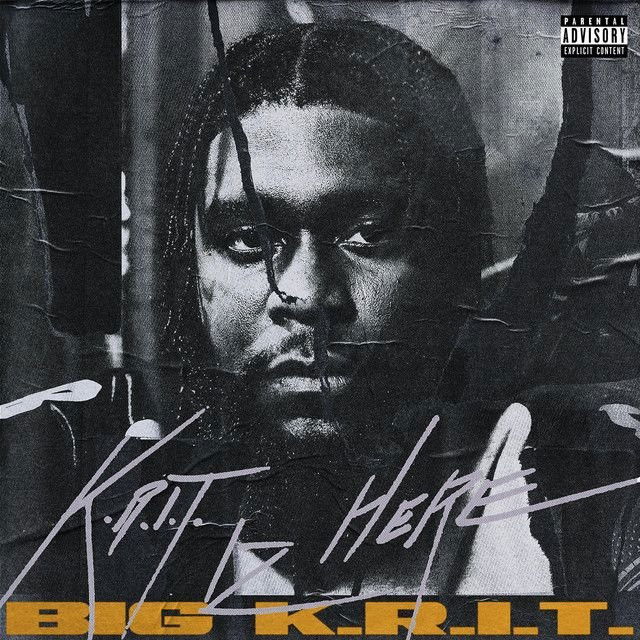
Prove It by Big K.R.I.T., J. Cole
A Loyalty Test With Bigger Stakes
The meaning of Prove It Big K.R.I.T., J. Cole centers on belief that must become action. The song asks a hard question: if someone says they are loyal, what happens when loyalty becomes dangerous, costly, or public?
"Prove It" - Big K.R.I.T. ft. J. Cole
When the time come, and the time will come
When I pass the choppa, shoot (shoot)
Loading lyrics...
Unable to load lyrics
We're unable to display the lyrics at this time. Please try again later.
Big K.R.I.T. builds that tension into the hook. When they repeat If you believe in me, prove it
, the line is not just about friendship. It sounds like a challenge about survival, trust, and whether words still matter when pressure arrives.
On the surface, the song uses street-war language. But underneath that, it also speaks to community defense, political fear, and the burden of leadership. It is a track where personal trust and social struggle blend together.
Watch the official Prove It
music video
The Hook Turns Faith Into Action
The chorus is blunt and unforgettable. The violent image in pass the choppa, shoot
should not be read only literally. In context, it raises the stakes so high that belief cannot stay abstract.
Interpretation: the hook works as an extreme loyalty test. It asks whether a person will act when the moment is ugly, not just when support is easy. That makes the refrain feel tense, almost militarized, which fits the song’s larger mood of threat.
There is also a second emotional layer. By repeating the demand so many times, K.R.I.T. makes it sound like they have seen false support before. The hook becomes a response to betrayal as much as a call for solidarity.
Big K.R.I.T.'s Verse: Survival, Threat, and Self-Defense
K.R.I.T.'s first verse frames the world as unsafe from the start. They tell listeners to be strong, to carry on, and to understand that danger may come without warning. Phrases like head off the snake
and keep it clean
suggest a world full of hidden enemies and moral compromise.
That matters because K.R.I.T. is not rapping about random aggression. They are describing pressure from people who test boundaries, exploit weakness, and force hard choices. The line about wanting to be the bigger person is key. It shows that restraint exists in the song, but so does the fear that restraint may fail.
Interpretation: this verse is about the psychology of defense. They seem torn between dignity and retaliation. That tension gives the song weight, because it never sounds like empty toughness.
A Social Message Beneath the Street Language
The second K.R.I.T. verse expands the frame beyond one person or one conflict. They refer to borders, cages, and the way power treats people as less than human. That language links the song to American systems of control, especially around race, poverty, and punishment.
When K.R.I.T. mentions being given scraps and still surpassing others, they point to a familiar theme in their work: Southern Black resilience under unequal conditions. Readers who know their catalog, including 4eva Is a Mighty Long Time, will recognize that mix of pride, pain, and political clarity.
One especially striking moment appears in reversed wording that points toward land and dispossession. Even without unpacking every syllable, the effect is unsettling. It hints that violence in the present grows from theft in the past.
That time, get ready, maintain, hold on
This repeated background phrase feels like a warning siren. It tells listeners to stay steady, because history and danger are closing in at once.
J. Cole Changes the Song's Center
J. Cole enters from a different angle. Instead of matching the song's threat level bar for bar, they make the track more personal and reflective. They salute K.R.I.T., then admit artistic fear: too many songs, too much doubt, too much worry about whether listeners still care.
That confession matters. Cole is talking about career anxiety, but he turns it into an ethical question. If an artist hides songs out of insecurity, who might lose something meaningful? In that sense, their verse also answers the hook. To “prove it” is not only to defend someone in danger. It is also to show up honestly and give people the work that may help them.
The verse ends with a moving dedication to a fan named Felicia, inspired by real concern after seeing bad news online. That personal turn gives the song a human face. Suddenly loyalty is not a battlefield slogan; it becomes care, memory, and gratitude.
For context, Cole has often discussed balancing craft, pressure, and honesty in public conversations, including with Rolling Stone. That makes their verse feel consistent with their broader artistic voice.
How the Production Supports the Meaning
The production reinforces the song's message through tension rather than softness. The beat feels heavy, patient, and ominous. The drums land with purpose, while the repeated vocal layers in the hook create a chant-like mood.
That matters because the instrumental leaves room for both alarm and reflection. K.R.I.T.'s verses sound like warnings delivered over a dark march. Cole's verse, by contrast, rides the same beat but turns it inward, using the space to sound thoughtful rather than explosive.
Interpretation: this contrast is one reason the song works so well. The production does not change much, but the emotional meaning does. The same backdrop can hold political tension, street realism, and personal testimony.
Why "Prove It" Still Lands
At its core, the meaning of Prove It Big K.R.I.T., J. Cole is about tested faith. The song asks what belief looks like when comfort disappears. For K.R.I.T., that question touches danger, oppression, and self-protection. For Cole, it touches honesty, art, and devotion to the people who listen.
That blend is what gives the track lasting force. It is severe, but not hollow. It is threatening, but also vulnerable. And it argues that loyalty is only real when it costs something.
Disclaimer: This interpretation is based on the released recording, publicly available credits, and the song's lyrics. As with any art, listeners may hear different meanings.









