Why Billy Joel’s New York Song Still Hits Home
A homecoming, not just a city anthem
The meaning of New York State of Mind Billy Joel starts with return. On the surface, the song sounds like a simple statement of regional pride. But its deeper power comes from how personal that pride feels. This is not a tourist postcard about bright lights and famous places. It is a song about knowing where they belong.
"New York State of Mind" - Billy Joel
Take a holiday from the neighborhood
Hop a flight to Miami Beach or to Hollywood
Loading lyrics...
Unable to load lyrics
We're unable to display the lyrics at this time. Please try again later.
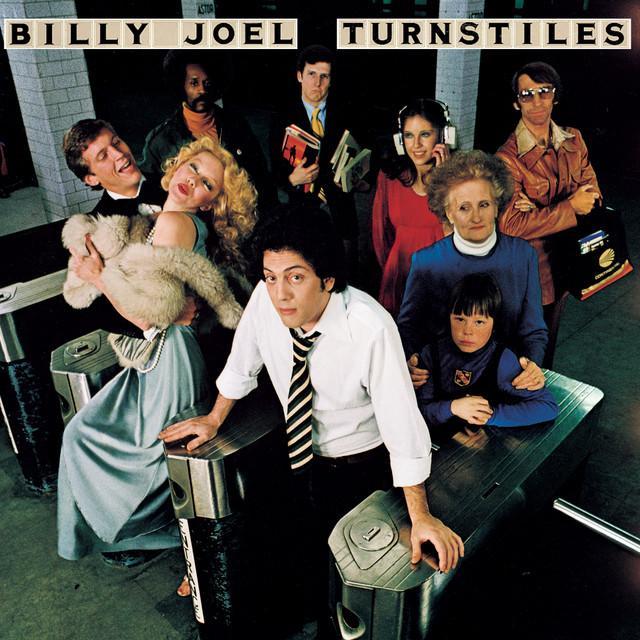
Billy Joel wrote the song for Turnstiles in 1976 after leaving California and coming back to New York. According to American Songwriter, Joel later said he wanted to write an anthem for a city that was struggling at the time. That matters because the song does not praise a perfect New York. It embraces a messy, real one.
From the opening, the narrator compares glamorous escape with ordinary travel. Instead of choosing beaches or movie-star dreams, they choose the bus ride home. The phrase Greyhound on the Hudson River line
captures that choice in plain language. It is not fancy, and that is the point. The song says home can beat luxury when it feels true.

Watch the official New York State of Mind
music video
What the lyrics are really saying
The verses move through a clear emotional argument. First, the singer admits that many people want to get away. Then they explain that they have seen the famous places and flashy lifestyles already. None of it satisfies them as much as New York does.
That is why lines about stars, limousines, and the Rockies matter. They are not random details. They show that the narrator has sampled other versions of success and beauty. After all that, they still know what they need.
The repeated idea New York state of mind
works on two levels. Literally, it means returning to New York. Interpretation: emotionally, it means recovering a sharper, more grounded version of the self. New York becomes both a place and a mindset.
Reality over fantasy
One of the key turns in the song comes with the phrase It comes down to reality
. That line helps explain why the song lasts. Joel is not saying New York is easier. He is saying it is more honest.
The earlier part of the song contrasts fantasy and image: vacations, celebrities, scenic escapes. Then the lyric shifts toward everyday life, including the papers and the city’s rougher rhythms. The mention of The New York Times
and the Daily News
pulls the song down to street level. This is a world of headlines, noise, argument, and daily contact.
That move gives the song emotional weight. Instead of dreaming about a better life somewhere else, the narrator accepts the complicated life in front of them. Interpretation: the song argues that belonging is not about perfection. It is about recognition.
How the chorus turns place into identity
The hook is short, but it carries the whole song. Every time the title phrase returns, it feels less like a slogan and more like a settled truth. The narrator is no longer debating where they should be. They already know.
I don't care if it's Chinatown
or on Riverside
This brief moment widens the song’s map. It suggests that the exact neighborhood matters less than the feeling of being back inside the city’s living pulse. The singer is not chasing status. They are reconnecting with a shared urban world.
The sound tells the story too
A big part of the song’s meaning comes from its arrangement. The Turnstiles recording blends piano, saxophone, rhythm section, and strings in a way that leans toward jazz as much as rock. Wikipedia’s entry notes that the song features orchestral backing arranged by Ken Ascher and saxophone by Richie Cannata.
That sound matters. The piano gives the song its reflective center, as if the narrator is thinking out loud at a late-night keyboard. The saxophone adds warmth and city-night atmosphere. The strings lift the song without making it feel slick. Together, they make New York sound mature, soulful, and slightly weary.
Joel reportedly wanted to write something like a standard, not just a pop song. That ambition shows. The melody moves slowly and confidently, letting the words breathe. Instead of rushing toward a catchy payoff, the performance settles into a mood of certainty.
Artist context changes the meaning
Context deepens the song. Joel had spent years in Los Angeles and returned to the East Coast feeling unhappy and disconnected. That backstory turns the track into more than civic pride. It becomes a personal correction, a reset.
The song also grew in meaning over time. It was never an official single, yet it became one of Joel’s signature songs and has been covered widely, including by Barbra Streisand and Tony Bennett. After 9/11, Joel’s performance at the Concert for New York City gave the song an added public meaning. What began as one person’s homecoming came to represent grief, resilience, and civic love.
A few strong interpretations
Reading one: a song about belonging
The most direct reading is that the song is about coming home and recognizing where they feel most alive. The key evidence is the contrast between glamorous escape and ordinary return.
Reading two: a song about artistic identity
Interpretation: it can also be heard as Joel reclaiming his creative voice. By returning to New York’s grit, newspapers, blues feeling, and street energy, the narrator chooses substance over image.
Why it still resonates
The meaning of New York State of Mind Billy Joel endures because it connects city pride to a common human feeling: the relief of finding one’s place again. Listeners do not need to be from New York to understand that pull. Almost everyone knows the difference between being impressed by somewhere and being at home there.
That is why the song keeps working in concerts, tributes, and quiet personal listens. It honors a city, but it also honors a decision: stop chasing the fantasy, and go where life feels real.
Disclaimer: This interpretation is based on the lyrics, recording context, and documented comments from Billy Joel, but song meaning can remain personal and open to other readings.