Why Bleachers' 'Don't Take the Money' Hits So Hard
The core idea behind the song
For anyone searching for the meaning of Don't Take The Money Bleachers, the short answer is this: it is a song about choosing love over fear, ego, and the temptation to protect oneself. The title is not really about cash. Jack Antonoff said the phrase meant don't sell out
in a personal, emotional sense, not literal money. In that light, the song becomes a plea: do not trade something real for something easier.
"Don't Take The Money" - Bleachers
Love was a currency
A shimmering balance act
Loading lyrics...
Unable to load lyrics
We're unable to display the lyrics at this time. Please try again later.
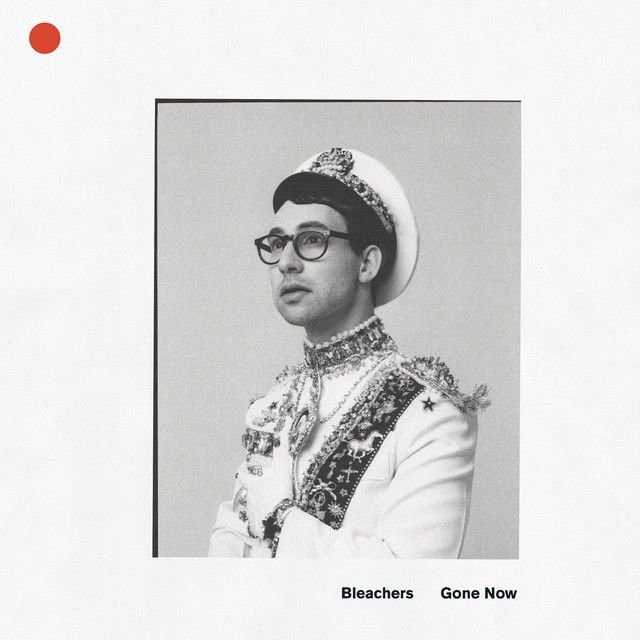
Factually, the track was released in 2017 as the lead single from Gone Now, co-written by Antonoff and Lorde, and produced by Antonoff, Greg Kurstin, and Vince Clarke. It also features Lorde on uncredited backing vocals in the final chorus. Those details matter because the song sounds huge, shiny, and urgent, while the lyrics stay nervous and intimate.

Watch the official Don't Take The Money
music video
A love song built from damage
The verses begin with a person who has already been hurt. When the song says love once felt like a currency
, it frames past relationships as transactions. Instead of trust, there was counting, bargaining, and imbalance.
That is why the new connection feels so startling. The repeated image of seeing someone's face and hands in sunlight suggests a sudden moment of clarity. Interpretation: they are not saying love has become simple. They are saying this person makes them want to believe in it again, even if they still do not fully understand what that means.
There is tension in that uncertainty. The song keeps asking, in effect, can they really handle a lasting bond after old wounds taught them to stay guarded? That question drives the whole track.
The chorus turns fear into a promise
The chorus is where the song's emotional message becomes clear. The phrase Don't take the money
sounds like a warning, but it also sounds like a vow. The singer is asking the other person not to choose the easy exit, the safer lie, or the emotional payoff that comes from giving up before things get hard.
The next lines deepen that idea. The breathless image steal the air
makes love feel overwhelming, physical, and a little scary. This is not calm romance. It is the kind that changes a person's body and thinking.
Your hand forever's all I want
Don't take the money
Paraphrased, the chorus says: they do not want status, control, or self-protection. They want commitment. The hand image is simple, but that is why it works. It takes all the song's noise and panic and reduces it to one human wish: stay.
Conflict is not the opposite of love here
One of the smartest parts of the writing is how often it mentions fighting, blame, and sleeping apart. The song imagines arguments, different sides of the bed, and a couple caught in a storm. It does not pretend true love erases conflict.
Instead, the song suggests the opposite. Real intimacy means two people will disappoint each other and still have to decide what matters more. Interpretation: the phrase about being stuck in the storm
does not mean the relationship is doomed. It means love is messy, and endurance is part of its meaning.
That is where Antonoff's title idea becomes powerful. If don't sell out
is the hidden message, then the song is asking both partners not to betray the relationship for pride, escape, or emotional numbness.
How the personal details shape the meaning
The second verse pulls in images of youth and reinvention. There is a picture of loneliness at home, then a rebellious, almost cinematic attempt to make a new self. Those details make the narrator feel younger and less settled than the giant chorus suggests.
That contrast matters. Bleachers often mixes suburban memory, teenage restlessness, and adult longing. Here, the song sounds arena-sized, but its emotional world is still tied to insecurity and old bedrooms. That is why the hook lands so hard: it is not sung by someone cool and detached. It is sung by someone who is trying not to run.
Reports around the song's release connected it to Antonoff's relationship with Lena Dunham at the time, and he described the title as a phrase he returned to in many parts of life. That context supports a reading of the song as both romantic and self-motivational. It is about love, but also about refusing compromise in a larger sense.
Why the production feels so urgent
Musically, the song is classic Bleachers: big drums, bright synths, and a rush of 1980s pop-rock energy. Critics compared it to John Hughes soundtrack drama and Springsteen-scale emotion, while one review called it '80s synth-pop nirvana
. Those descriptions fit because the production makes every feeling sound bigger than life.
The percussion, reportedly shaped by Linn drum influences, gives the track a mechanical pulse that never fully relaxes. Synths swell around the vocal like neon light. Even when the lyrics doubt themselves, the arrangement keeps pushing forward.
Interpretation: that mismatch is the point. The sound says "go for it" while the words say "what if this falls apart?" Together, they create the song's central emotion: courage in the middle of panic.
Another way to read the title
There is also a broader reading of the meaning of Don't Take The Money Bleachers. Beyond romance, the title can suggest refusing false rewards of any kind. Money here can stand for whatever tempts a person away from what matters: comfort, image, control, or approval.
That reading fits the final section, where the song talks about shadows, edges, and the dream of something easy. The warning becomes almost spiritual. Do not choose the heartless path just because it is lighter.
Why it still connects
Part of the song's staying power is how direct it feels without becoming simple. It knows love can feel ecstatic and dangerous at the same time. It knows people carry old damage into new promises. And it knows commitment is not only romantic; it is moral.
In the end, Bleachers turns one repeated line into a whole worldview: choose the harder truth over the easier escape. That is why the song feels both like a love letter and a pep talk.
Disclaimer: This article offers an informed interpretation of the song based on the released track, public comments, and critical context. Meaning can vary from listener to listener.









