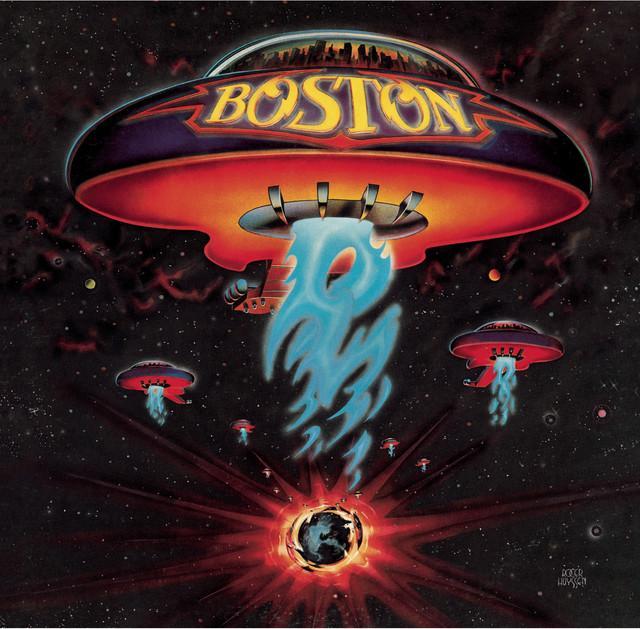
Why Boston's Flirtiest Song Sounds So Direct
The meaning of Let Me Take You Home Tonight Boston becomes clearer when they hear how plainspoken the song is. On Boston's 1976 debut, many songs feel huge, polished, and slightly dreamlike. This one is different. It sounds like a person stepping out of the crowd, taking a breath, and making a bold romantic offer.
"Let Me Take You Home Tonight" - Boston
But I get this feeling whenever you walk by
I don't want to down you, I want to make you high
Loading lyrics...
Unable to load lyrics
We're unable to display the lyrics at this time. Please try again later.
That directness is not accidental. According to Songfacts, the track is often understood as a pickup-line song, and the repeated title phrase drives that idea home. It was also the only song on Boston written solely by Brad Delp, which helps explain why its voice stands apart from Tom Scholz's usual writing style.
A Simple Pitch, Not a Hidden Puzzle
At its core, the song is about desire mixed with hesitation. The speaker says they are shy, but being near this person changes them. A short phrase like kind of shy
matters because it frames the whole song: they are not naturally smooth or fearless. They are working up the courage to speak.
From there, the lyric shifts quickly from nerves to invitation. The title line, Let me take you home tonight
, is not coded language. It is a direct proposal for closeness, romance, and maybe a one-night fantasy that they hope becomes real.
Interpretation: What makes the song interesting is the gap between the speaker's claimed shyness and their intense persistence. They sound vulnerable at first, but the chorus turns that vulnerability into insistence.
Watch the official Let Me Take You Home Tonight
music video
How the Verses Build the Chase
The first verse presents a classic rock-courtship setup. They notice someone, feel overwhelmed, and try to promise pleasure rather than harm. When the singer says make you high
, the point seems emotional as much as physical. They want to lift the other person out of ordinary life and into excitement.
The next verse raises the temperature. The speaker says they have watched this person for a long time and feel a private connection already. That idea can sound romantic, but it also adds tension. The song lives in that uneasy space between fantasy and real consent, between imagined closeness and actual mutual feeling.
The Emotional Timeline in Brief
- They begin with shyness and attraction.
- They turn attraction into an invitation.
- They convince themselves the connection is real.
- They push harder as desire grows more urgent.
- The fadeout suggests they still want an answer.
That structure is why the song feels so single-minded. It does not wander into backstory or reflection. It keeps returning to the same request.
Why the Chorus Feels So Insistent
The chorus is the song's whole argument in miniature. It repeats the central request and pairs it with pleasure, comfort, and reassurance. A brief phrase like sweet delight
shows how the speaker sells the fantasy: tonight could be easy, safe, and rewarding.
There is only one real direction in the song, and it is forward. Even the repeated alright
sounds like persuasion. They are not just expressing feeling; they are trying to remove doubt.
Let me take you home tonight
Mamma now it's alright
That small two-line hook captures the song's character. It is catchy, but also revealing. The plea is wrapped in reassurance, as if the singer senses resistance and answers it before hearing it.
The Sound Makes the Message Bigger
Context matters here. Boston was released on August 25, 1976, and became one of the biggest debut albums in rock history, selling millions of copies in the United States and beyond, as summarized by Wikipedia's album entry and Songfacts. But this track has a special place on that album.
Songfacts reports that it was recorded with the full band and producer John Boylan in Los Angeles, while Tom Scholz was separately refining much of the rest of the album in Massachusetts. That means this is the only track on the album with contributions from every band member in that LA session. The result is important for meaning.
Instead of sounding like a private daydream, the song feels like a live band pushing one emotion together. The drums keep it moving, the guitars give it lift, and Brad Delp's vocal walks a fine line between sweetness and urgency. That fuller band energy makes the invitation sound less inward and more public, almost like a performance of confidence.
Why It Feels Different From Other Boston Songs
Boston often built songs around escape, memory, or larger-than-life longing. This track is much more immediate. Since Brad Delp wrote it alone, it carries a different lyrical personality than the Tom Scholz-written material surrounding it.
Interpretation: That difference is the key to the song's appeal. They are not hearing Boston at their most philosophical. They are hearing Boston at their most human, awkward, and impulsive.
The repeated line I don't want to be alone
near the fade gives the song one last emotional twist. Under the swagger, there is need. The invitation may be flirtation, but it is also a small confession of loneliness.
Final Take on the Song's Meaning
The meaning of Let Me Take You Home Tonight Boston is not especially hidden: it is about a shy but determined speaker trying to turn attraction into intimacy before the night ends. What gives the song depth is the mix of innocence, pressure, fantasy, and need inside that simple setup.
Its bright rock sound makes the plea feel exciting, but the lyric keeps enough tension in the air to stay interesting. That is why the song still stands out on Boston: it is a straightforward come-on that also reveals a lonely, uncertain person behind the sales pitch.
Disclaimer: This interpretation is based on the released lyric, recording context, and documented album history. As with any song, listeners may hear meanings that differ from the one presented here.