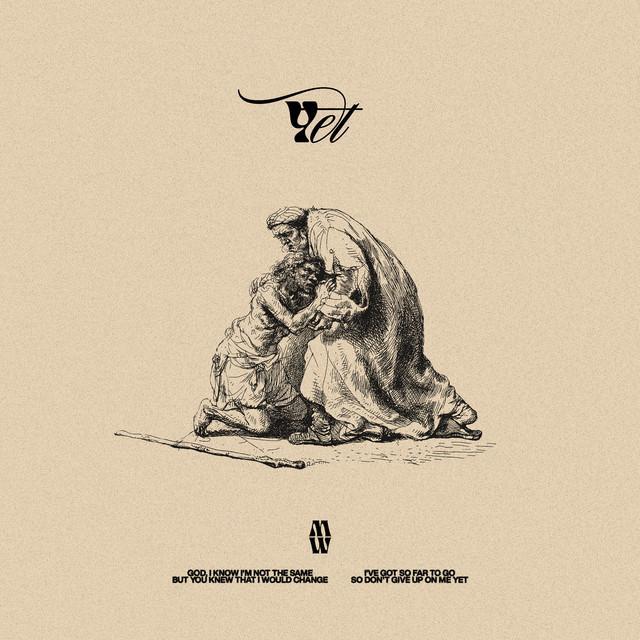
Why 'YET' Turns Doubt Into Hope
The meaning of YET Maverick City Music, Chandler Moore, Naomi Raine, Ashley Hess, the King will come starts with a hard truth: faith does not erase pain. Instead, this song speaks from the middle of healing, where someone still feels wounded, unsure, and spiritually tired, but keeps reaching toward God anyway.
"YET" - Maverick City Music, Chandler Moore, Naomi Raine ft. Ashley Hess, the King will come
I know I'm not Your best bet
But I'm trying
Loading lyrics...
Unable to load lyrics
We're unable to display the lyrics at this time. Please try again later.
That is what makes “YET” land so strongly. It is not a victory lap. It is a prayer from a person who knows they are unfinished. The repeated plea don't give up on me yet
frames the whole song as a conversation with God about growth, failure, and mercy.
A Prayer From the Middle, Not the End
At its core, “YET” is about spiritual patience. The speaker knows they are flawed and still changing. They admit that they are not where they want to be, but they are still trying. That tension gives the song its emotional force.
Instead of pretending confidence, the lyric openly names fear, loneliness, and slow progress. Phrases like leave me here alone
and so far to go
show a believer who feels stuck between past pain and future healing. They have made progress, but not enough to feel settled.
Interpretation: The title idea of “yet” matters because it leaves room for hope. The speaker is not saying they are whole now. They are saying the story is not finished. In that single word, the song turns shame into possibility.
How the Verses Build the Song's Main Theme
The early verses sound almost like a private confession. The speaker tells God they still need to grow and still need reminders of love. That honesty keeps the song from feeling polished or distant. They are not teaching a lesson from above; they are asking for help from below.
One of the most important ideas is that pain makes meaning hard to see. The song mentions brand-new scars
and a broken heart, which suggests recent damage, not old wounds that have already healed. Because of that, faith here is not certainty. It is a choice to keep believing before understanding arrives.
That is why this short section hits so hard:
I know I've come so far
But got so far to go
And with these brand-new scars
It's hard to really know
This is the emotional center of the song. It captures a common faith experience: progress is real, but pain makes it difficult to trust what comes next.
When the Song Shifts From “Me” to “You”
A major turn happens later, when the message opens outward. What begins as one person's plea becomes a wider promise for everyone listening. The song moves from asking God not to give up on the speaker to declaring that God will not give up on anyone.
That shift is important in gospel and worship music. Personal testimony becomes communal reassurance. The line about grace never running out, along with the image of love as an ocean, broadens the song from confession into comfort.
The phrase shame is drowned
is especially vivid. It suggests that guilt is not just covered up but overwhelmed by something larger. In Christian language, that image points to grace as stronger than self-judgment.
Interpretation: This turn may be why the song feels healing in a group setting. It allows listeners to begin inside one person's struggle and end inside a shared promise.
Sound, Structure, and Why the Message Feels So Big
Maverick City Music is known for worship songs that blend gospel, spontaneous-feeling delivery, and emotional crescendos, as seen across their official artist catalog and releases credited on The King Will Come. “YET” fits that approach.
The production likely matters as much as the lyric. The song begins in a reflective space, with room for vulnerability. As it continues, repetition strengthens the message rather than weakening it. In worship music, repeated lines can act like meditation. They help the singer move from doubt toward trust in real time.
Vocally, the collaboration also adds meaning. Different voices can make the prayer feel bigger than one biography. Even if Ashley Hess wrote the song, the shared performance helps frame the message as collective human need. Soft beginnings, layered harmonies, and a rising dynamic arc all support the same idea: hope grows by being sung together.
Artist Context and What It Adds
Maverick City Music built its audience through songs that foreground honesty, collaboration, and worship that feels lived-in rather than overly formal. That context helps explain why “YET” sounds so direct. It uses plain language instead of complex poetry, which makes the emotion feel immediate.
Ashley Hess is credited here as the songwriter in the provided context, and that matters. The lyric has the shape of a songwriter who understands how to make a personal journal entry singable for a room full of people. Chandler Moore and Naomi Raine are both strongly associated with Maverick City’s emotionally open style, so their presence in the article title also fits the song’s broader worship world, even when the key message remains simple: grace is still available.
The Deeper Meaning of “Yet”
The deepest message of the song is not that suffering is easy or that spiritual growth moves fast. It is that God’s commitment outlasts human inconsistency. The speaker knows they still need changing. They even say I still need reminding
. But the song insists that divine love is not shocked by that fact.
For many listeners, that is the real comfort. “YET” does not celebrate perfection. It celebrates being loved in process. It gives language to people who believe, but shakily; who pray, but with questions; who hope, but through tears.
In that sense, the meaning of YET Maverick City Music, Chandler Moore, Naomi Raine, Ashley Hess, the King will come is clear: this is a worship song about unfinished people asking for unending grace.
Final Thought
“YET” resonates because it tells the truth about faith under pressure. It says a person can be scarred, confused, and still held by God. That is both its comfort and its power.
Disclaimer: This interpretation is based on the published lyrics, credited context, and the song’s performance style. As with any song, listeners may hear meanings that differ from this reading.







