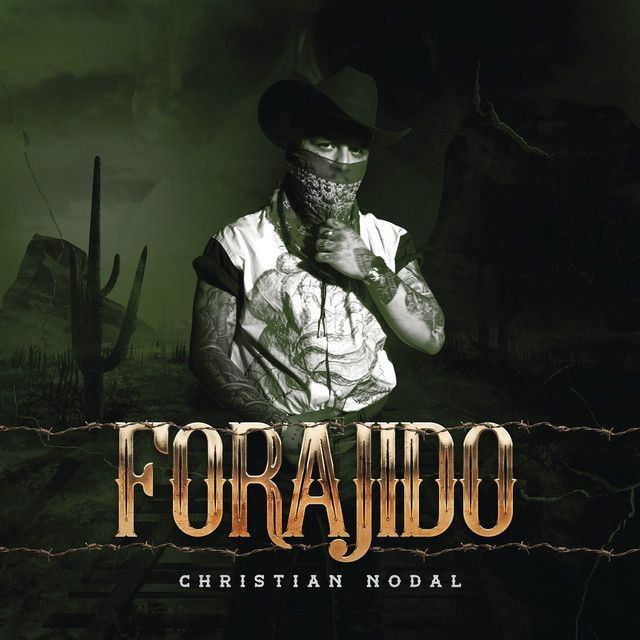
Why "El Karma" Turns Love Into a Chase
The meaning of El Karma Christian Nodal starts with a simple but sharp idea: love feels worth fighting for, even when the past may still demand payment. In this song, they present a narrator who knows they are imperfect, maybe even guilty, yet refuses to let consequences take away a relationship they deeply want.
"El Karma" - Christian Nodal
Por eso yo sigo aquí
Los envidiosos 'tán que mueren
Loading lyrics...
Unable to load lyrics
We're unable to display the lyrics at this time. Please try again later.
That tension gives the track its power. It is not just about romance. It is about guilt, fear, pride, and the belief that desire can outrun destiny, at least for a while.
The Heart of the Song: Love Under Threat
At its core, "El Karma" is about someone who thinks their past mistakes could come back around. Instead of calmly accepting that, they answer with speed, defiance, and devotion. The chorus turns karma into a pursuer, while love becomes the place they are racing toward.
Early on, the narrator admits flaws and low status. When they say me faltan dedos
, they are not bragging. They are saying their defects are too many to count. That confession matters because it keeps the song from sounding purely arrogant.
Then another line sharpens the conflict: no lo merezco
. They suggest they may not deserve this love at all. So the song is not about innocence. It is about wanting to keep something beautiful even while expecting punishment.
A Narrator Who Knows Their Reputation
One of the strongest parts of the song is its self-awareness. The narrator says they have been on a kind of blacklist, using the phrase lista negra
to imply a bad reputation. That could point to failed relationships, public judgment, or a larger pattern of mistakes.
Interpretation: This self-portrait makes the song more than a standard jealous love song. They do not claim to be the hero. They sound like someone who knows they carry trouble with them.
At the same time, the opening tone stays bold. The image behind hierba mala
suggests resilience with a dark edge. They are saying they survive, but not in a pure or noble way. That is a very Nodal-like emotional mix: wounded, proud, and blunt.
How the Chorus Reframes Everything
The key line is voy a cien millas
. In plain terms, they are moving fast so karma cannot catch them. That idea does several things at once:
- It creates urgency.
- It shows fear without openly begging.
- It turns romance into motion.
- It suggests that desire is stronger than reflection.
The repeated wish to keep karma away from the loved one makes the relationship feel like both refuge and obsession. They do not want distance, judgment, or fate to come between them and physical intimacy. Even when the song sounds playful, the feeling underneath is anxious.
Y si al final logra alcanzarme
Me hago su amigo
These lines are clever because they show surrender and strategy at the same time. If karma cannot be escaped, the narrator jokes that they will negotiate with it. That adds charm, but it also reveals denial. They still want a workaround instead of true reckoning.
What the Sound Adds to the Meaning
Christian Nodal is widely associated with mariacheño, a style that blends mariachi and norteño traditions, a fact noted in coverage by outlets like Billboard and The Latin Grammys. That matters here because the song’s emotional logic fits that sound world well: heartfelt singing, direct language, and dramatic romantic stakes.
Even without unpacking every production credit, listeners can hear how the arrangement supports the lyric. The steady pulse mirrors the idea of forward motion. The vocal delivery carries both confession and force, which helps the song avoid sounding weak. Instead, it feels like a man admitting his damage while still insisting on his claim to love.
The writing credits provided for the song—Christian Nodal, Edgar Barrera, and Elena Rose—also fit that balance. Barrera and Elena Rose are both known for writing songs that pair accessible hooks with emotional detail, as reflected in their industry profiles at the Latin Recording Academy and major publishing coverage.
Symbols That Drive the Story
Several motifs shape the song’s meaning:
Speed
Speed represents denial, urgency, and survival. If they keep moving, they do not have to sit with guilt.
Karma
Karma stands for consequences, whether moral, emotional, or relational. It acts like a shadow on the song.
Mouth and closeness
The reference to tu boca
makes the love feel physical and immediate. This is not abstract soul-mate language. It is embodied, near, and vulnerable.
Envy and reputation
The song also hints that outsiders are watching. That adds a social layer: this love is not just emotionally risky, but visible.
A Few Stronger Readings
Interpretation 1: The song is about outrunning guilt. In this reading, karma is mostly internal. The narrator fears what they have done and uses romance as escape.
Interpretation 2: The song is about protecting love from outside forces. Here, karma includes judgment from others, envy, and old narratives that threaten a new bond.
Both readings work because the song keeps its language broad. It never gives a full backstory, which lets listeners map their own history onto it.
Why the Song Connects
The meaning of El Karma Christian Nodal resonates because it captures a common feeling: wanting love badly even when life feels messy, complicated, or morally unfinished. The song does not offer growth in a neat way. Instead, it offers a more human truth. People often want tenderness before they earn peace.
That is why "El Karma" lands. It gives listeners a romantic chase song, but underneath it asks a harder question: can love survive the return of everything a person has tried not to face?
Disclaimer: This interpretation is based on the lyrics provided, the song’s performance, and publicly available artist context. As with any song, meaning can remain open to different listeners.







