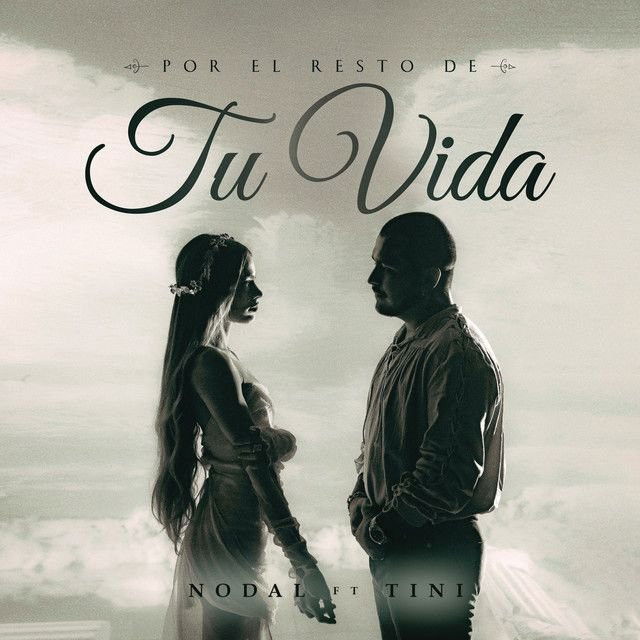
Por el Resto de Tu Vida by Christian Nodal, TINI
A single question drives this duet: What if a fleeting spark is actually forever? Christian Nodal and TINI sing from two sides of the same rush, testing whether a one-night glow can become a daily promise. The tension is tender, not tragic. They are choosing love out loud.
"Por el Resto de Tu Vida" - Christian Nodal, TINI
(Ey, yeah)
Tú te ibas, pero ya ese día
Loading lyrics...
Unable to load lyrics
We're unable to display the lyrics at this time. Please try again later.
Two Voices Asking the Same Question
The hook circles a direct ask—¿Qué vas a hacer?
. It is not a threat; it is an invitation. Each singer wonders if the other is ready to turn a beautiful moment into a plan.
They switch between wonder and certainty. When one admits they’re adapting—Me estoy acostumbrando a tu sonrisa
—the other answers with bold imagery and playful charm. The effect is a conversation, almost like vows improvised in real time.
Straight to the Heart: the meaning of Por el Resto de Tu Vida Christian Nodal, TINI
At its core, the song is about moving from impulse to intention. The narrators feel that rare alignment where desire and destiny overlap. One line frames the stakes—Si el amor solamente pasa una vez
—suggesting that if love is truly once-in-a-lifetime, they should recognize it now.
Interpretation: The repeated question about the “rest of your life” is less about control and more about clarity. They want to see if the other person imagines the same future—from everyday rituals to long-term partnership—so both can step forward with confidence.
What the Chorus Really Says
The chorus reframes the verses’ flirtation into a long-view proposal. It asks how they’ll spend their days and who they will be together. Interpretation: By focusing on shared plans rather than grand declarations, the song turns romance into something practical and real.
Key Images That Shape the Promise
- Everyday intimacy: The wish for
De desayuno en la cama
paints love as routine comfort. It’s domestic and warm, not just cinematic. - Iconic devotion: The nod to
Rivera no es el mismo sin su Frida Kahlo
links their bond to a legendary artistic pair. Interpretation: They see themselves as creative partners who complete each other, for better and for messier. - Playful innocence: The line
Como Miguel en la película de Coco
calls up a childlike awe of music and family bonds. Interpretation: Love here is not only passion; it’s memory, tradition, and the kind of song you pass down.
Together, these images shift the track from a short fling to a life imagined: mornings, art, family, and music—little scenes that add up to forever.
How the Sound Sells the Vow
Musically, this is a soft, guitar-led Latin ballad with pop sheen. The arrangement leaves room for breath and eye contact—you can almost hear the space between the two voices. Acoustic textures keep it grounded, while subtle modern production lifts the hook.
Nodal’s grainy warmth gives the promises weight. TINI’s bright tone adds lift and sparkle. When their voices meet, the harmony feels like two futures clicking into place. Interpretation: The restrained production mirrors the song’s message—no fireworks needed when conviction is clear.
Who Wrote It and Why That Matters
The song was written by Christian Nodal, Edgar Barrera, and Elena Rose. That trio matters. Nodal brings regional Mexican roots and romantic instinct. Barrera is known for shaping Latin hits that bridge styles. Elena Rose is a top-line writer with a gift for intimate, conversational detail.
Their blend explains the lyric’s balance: simple phrases you can say in a kitchen, alongside cultural references that add depth. It also explains why the melody flows easily across genres; it’s built for both serenade and streaming.
Narrative Timeline in Brief
- The night-before spark lingers into morning. Attraction becomes a real question about what comes next.
- They test truth through observation—eyes, smiles, and small acts—rather than big speeches.
- The chorus asks for a plan, not perfection.
- The bridge uses art and film references to anchor a shared identity.
- The finale feels like a soft yes, even if the word “forever” is never shouted.
Alternate Readings: Instant Spark or Slow-Burn Choice?
- Interpretation 1: It’s the afterglow of a first real night together. They sense the rare chemistry and decide to name it.
- Interpretation 2: It’s a daydream about commitment—trying on the word “forever” to see if it fits. The playful references suggest testing the idea before sealing it.
Both readings agree on one thing: love becomes real when it steps into daily life. The song makes a case for ordinary magic.
Takeaway: Choosing Forever in the Everyday
Por el Resto de Tu Vida is a gentle argument for commitment. It says the rest of your life isn’t a cliff—it’s a series of mornings, smiles, and shared stories. That’s why the question lands so softly and so deep.
Disclaimer: Song meanings are subjective. This analysis reflects one interpretation based on lyrics, performance, and public context.








