
Why 'All Through the Night' Still Glows
The meaning of All Through the Night Cyndi Lauper comes down to a simple but powerful idea: two people share a brief, honest moment of closeness and choose to live inside it. The song is tender, but it is not naive. It knows that time keeps moving, which is why the promise of staying emotionally present “all through the night” feels so important.
"All Through the Night" - Cyndi Lauper
I'll be awake and I'll be with you
All through the night
Loading lyrics...
Unable to load lyrics
We're unable to display the lyrics at this time. Please try again later.
Written by Jules Shear and first recorded by him in 1983, the song became a bigger hit when Cyndi Lauper included it on She's So Unusual and released it as a single in 1984. Her version reached No. 5 on the Billboard Hot 100 and became the fourth Top 5 hit from that album, a record-making run for a female artist at the time. Those facts are widely documented in reference sources including Wikipedia and Songfacts.
A Love Song About the Present Tense
At its core, the song describes new love before routine, conflict, or memory start to weigh it down. The clearest clue is the line we have no past
. The speaker is not saying the lovers literally appeared from nowhere. Instead, they seem to be setting aside baggage so they can meet each other in a clean emotional space.
That idea continues with keep with me forward
. The song keeps pushing toward motion, not nostalgia. In plain terms, it is about choosing intimacy in the now.
Interpretation: This is why the song feels both romantic and slightly fragile. If the connection only exists in the present, then the present becomes precious.
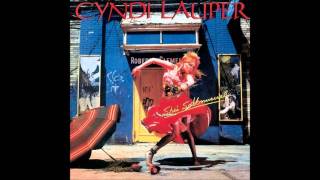
Watch the official All Through the Night
music video
The Chorus Turns Time Into Emotion
The repeated title phrase all through the night
works like more than a time marker. It becomes a vow. The speaker promises wakefulness, attention, and emotional company, suggesting that love here is measured by presence rather than grand declarations.
One short passage captures that mood:
I'll be awake and I'll be with you
This precious time when time is new
Even there, the song avoids flashy romance. It is quiet and observant. The phrase time is new
suggests the way early love can make ordinary hours feel remade.
Small Images, Big Feelings
One reason the lyrics linger is their odd, memorable imagery. The mention of a stray cat is crying
creates a nighttime city scene that feels lonely and alive at once. It mirrors the lovers: separate beings calling out into the dark, hoping for an answer.
The white street lamps deepen that feeling. The world outside seems exposed and slightly unreal, while the emotional center stays between the two people. These details keep the song from becoming generic. It is not just about love. It is about love happening in a very specific emotional weather: late, quiet, awake, and a little vulnerable.
What the "Meter Clicks" Might Mean
A striking lyric mentions that the meter clicks
. On the surface, it can suggest time passing, like a taxi meter or any device that keeps count. That matters because the song keeps balancing warmth with the knowledge that moments end.
Interpretation: This line may hint that even a magical night exists inside ordinary limits. Money, distance, time, and reality are still there, ticking away. Yet the next thought, that there is no true end until it ends, pushes back against that limit. Emotion tries to outrun measurement.
Why Lauper's Version Feels So Dreamy
Jules Shear reportedly thought of the song as closer to a folk piece, while Lauper and producer Rick Chertoff reshaped it into a synth-led pop ballad. Research sources note that Lauper first considered a more acoustic approach before changing course. That shift matters to the song's meaning.
Her recording surrounds the lyrics with soft keyboards, drum-machine pulse, and layered harmonies. Instead of making the song colder, the electronic arrangement gives it a floating quality. The beat is steady, but the textures feel suspended, as if the song itself is staying awake.
That contrast is part of the genius. The machine-like pulse suggests time moving forward, while Lauper's vocal sounds human, tender, and slightly awed. Cash Box praised the track's strong vocal and hypnotic keyboard melody, and even Jules Shear later said her radically different take was his favorite cover. In Lauper's hands, the song becomes less like a coffeehouse confession and more like a neon-lit midnight promise.
Where It Fits in Cyndi Lauper's Early Career
This song also showed a different side of Lauper. Around the same era, many listeners knew her for bold, colorful singles, but this track highlighted her restraint. Critics noted its reflective side, and its success proved she could sell emotional subtlety as easily as attitude.
It also sits nicely beside "Time After Time." Both songs deal with closeness, devotion, and emotional shelter. But while that earlier hit feels grounded in loyalty over time, "All Through the Night" is more about the shimmering beginning, when two people are still discovering what they mean to each other.
The Lasting Meaning of All Through the Night Cyndi Lauper
So what is the meaning of All Through the Night Cyndi Lauper? Most likely, it is about the rare comfort of being fully present with someone during a moment that feels new, temporary, and deeply real. The song honors the sweetness of forward motion: no revisiting old hurt, no overexplaining, just staying close while the night lasts.
That is why it still resonates. It understands that love can feel strongest not when it is certain, but when it is awake.
Disclaimer: This interpretation blends widely reported facts about the song with lyrical analysis. As with any art, listeners may hear different meanings in it.









