Why Cypress Hill's Threat Anthem Still Hits
Cypress Hill’s “When the Shit Goes Down” is not subtle. It is tense, loud, and openly violent. But the meaning of When the Shit Goes Down Cypress Hill is bigger than simple shock value. The song turns paranoia, street survival, and group loyalty into a warning: when danger arrives, hesitation can get a person hurt.
"When the Shit Goes Down" - Cypress Hill
Rollin' around nine deuce Cadillac
Still got my homies to watch my back
Loading lyrics...
Unable to load lyrics
We're unable to display the lyrics at this time. Please try again later.
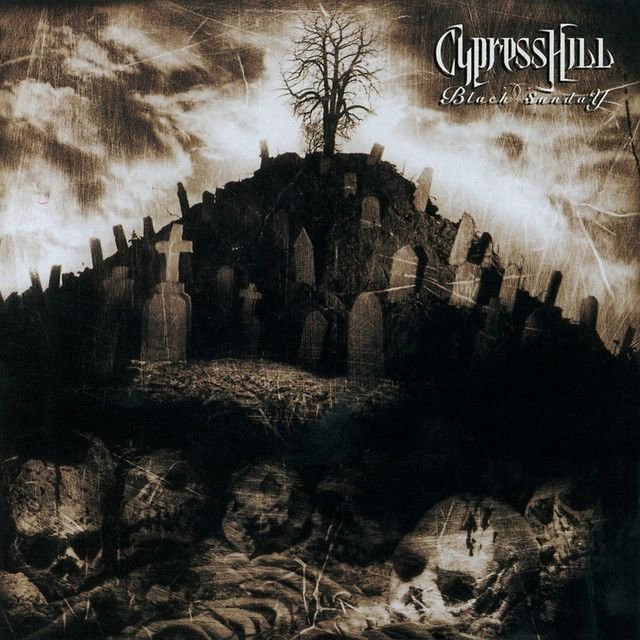
Released on the group’s self-titled debut, Cypress Hill, the track fits the hard-edged identity the group built in the early 1990s. The writers credited for the song include Larry Muggerud, Lawrence Emmett Dickens, and Louis M. Freeze. Those names point to the core creative team behind Cypress Hill’s early sound and worldview.
More Than Aggression: The Song’s Core Message
At the center of the song is readiness. The repeated hook warns that when the shit goes down
, a person had better be prepared. On the surface, that means physical conflict. Underneath, it also suggests a world where danger feels constant, and being unprepared is the same as being vulnerable.
Interpretation: The song is less a celebration of violence than a performance of defensive toughness. The narrator acts like someone who expects attack at any moment. That expectation shapes every detail: the weapons, the lookout system, the body armor, and the constant scanning for threats.
This is why the verses feel so claustrophobic. They do not describe a calm lifestyle. They describe a person living in a state of pressure, where pride and fear exist at the same time.
Watch the official When the Shit Goes Down
music video
A Narrator Surrounded by Risk
The speaker presents himself as armed, mobile, and backed by allies. Early lines mention a car, money, and a weapon, but those status symbols do not create peace. Instead, they seem to attract danger. Even his circle of friends exists mainly as protection.
When he says others watch my back
, the phrase matters because it shows that trust is practical, not sentimental. Friendship here is part of survival. The world of the song is one where loyalty has to be active.
The track also introduces pursuit and surveillance. He suggests that police and enemies are both close by, both applying pressure. That overlap gives the song one of its key tensions: threat comes from every direction, so the narrator answers with total defensiveness.
How the Story Unfolds Like a Street Standoff
The song works like a short action scene. Its narrative moves fast:
- The narrator establishes his position, gear, and support system.
- He describes being followed and targeted.
- The threat escalates into a near shootout.
- The chorus returns as a rule for survival.
- In the second verse, preparation becomes even more intense.
A striking moment comes when he describes being brushed wit death
. That phrase turns the song from boastful to exposed. It suggests that underneath the swagger is real vulnerability.
Later, the preparation becomes extreme, with the call to grab weapons and put on protection. The image of the bullet-proof vest
matters because it shows that the narrator expects not just conflict, but injury. He is not imagining danger in an abstract way. He is planning for impact.
Why the Chorus Matters So Much
The chorus is the song’s thesis. By repeating ya better be ready
, Cypress Hill strips the message down to instinct. The line is memorable because it sounds like both advice and threat.
Interpretation: That double meaning is what gives the hook its power. If listeners hear it from inside the narrator’s world, it is survival advice. If they hear it from outside, it sounds like intimidation. The song lives in that unstable space between fear and dominance.
That is also why the chorus feels bigger than the plot. It can apply to any crisis, even though the verses focus on armed conflict. The hook turns one scene into a worldview.
The Sound Makes the Fear Feel Real
Part of the meaning of When the Shit Goes Down Cypress Hill comes from sound as much as words. Cypress Hill’s early records, shaped by DJ Muggs, are known for murky funk loops, hard drums, and an atmosphere that feels smoky and uneasy. On the group’s official site, their debut era is framed as the moment they introduced a distinct West Coast rap sound with dark, psychedelic edges.
That production style matters here. The beat does not feel triumphant. It feels watchful. The drums hit like footsteps or warning shots, while the repetitive groove traps the listener in the same cycle as the narrator: spot danger, react, repeat.
B-Real’s sharp nasal delivery adds urgency. He sounds wired, not relaxed. That vocal tone keeps the song from becoming casual storytelling. Instead, it feels immediate, as if events are happening in real time.
Violence, Image, and Early-90s Rap Context
It is important to place the song in its moment. Early-1990s rap often used extreme crime imagery to express pressure, masculinity, and the reality or performance of street credibility. Cypress Hill brought their own version of that language, mixing Latino identity, black humor, menace, and psychedelic production.
Interpretation: In that context, “When the Shit Goes Down” can be heard as both narrative and armor. The violent language creates a character who cannot be easily challenged. Whether every detail is literal matters less than the emotional truth: they are presenting a mindset built around anticipation of chaos.
Final Take: A Song About Survival Mode
The simplest reading is still the strongest. The meaning of When the Shit Goes Down Cypress Hill is about living in survival mode and treating every threat as real. Its weapons and warnings are not just there to shock. They build a portrait of a person who believes readiness is the only protection he has.
That is why the song still hits. It captures how fear can turn into bravado, and how bravado can become a daily routine.
Disclaimer: This interpretation is based on the lyrics, performance, and available context, and other listeners may hear the song differently.








