Why 'Youth' by Daughter Still Hurts
The meaning of Youth Daughter lies in a sharp contrast: youth looks full of promise, yet the song hears grief, damage, and fear underneath it.
"Youth" - Daughter
Provided by LyricFindShadows settle on the place that you left
Our minds are troubled by the emptiness
Destroy the middle, it's a waste of timeLoading...Loading lyrics...
Unable to load lyrics
We're unable to display the lyrics at this time. Please try again later.
A Sad Anthem Hiding Inside a Beautiful Song
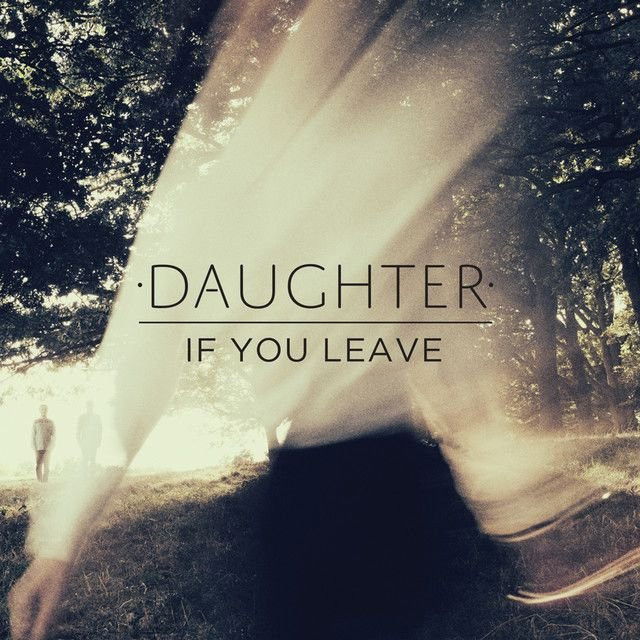
Daughter’s Youth became one of the band’s defining songs, first appearing on The Wild Youth EP and later on their debut album If You Leave. It was released as the album’s third single in 2013 and was written by Elena Tonra and Igor Haefeli, with Haefeli also credited as producer.
Even without external links here, those facts are well documented in band discographies and release listings. The song’s long afterlife in TV, film, and games also helps explain why so many listeners still return to it: it feels both private and universal.
At a basic level, the song is about emotional wreckage. It starts with absence and emptiness, then widens into a portrait of damaged young people trying to live through pain. By the end, it narrows again into personal blame and heartbreak.

Watch the official Youth
music video
What the Song Is Really Saying
The most important thing in the track is contrast. The chorus calls them wild youth
, which sounds exciting at first. But the song quickly turns that phrase into something darker.
These are not carefree kids. They are trying to survive loss, numbness, and disappointment. When the song says you’re the lucky ones
, it reframes basic things like breathing, bleeding, or being in love as rare gifts. That is a bleak worldview. It suggests a world where many people are emotionally shut down, exhausted, or spiritually worn out.
Interpretation: This is why the meaning of Youth Daughter is not simply “young people are reckless.” It is closer to “young people can look alive on the outside while carrying deep inner damage.”
From Group Portrait to Personal Wound
The verses move from “we” to “I”
One of the song’s smartest choices is its shifting voice. Early on, the lyrics speak for a group: a whole generation of people chasing the future while quietly falling apart.
Later, the focus narrows. The speaker becomes isolated, describing themself as just a silhouette
. That image suggests they feel emptied out, reduced to a faint outline after a breakup or betrayal.
This shift matters. It tells listeners that the big generational sadness is not abstract. It comes from real, intimate pain.
Why the repeated blame hits so hard
Near the end, the repeated accusation you caused it
changes the song’s center of gravity. What seemed like a broad statement about youth becomes a direct wound addressed to one person.
Interpretation: The song can be heard as both a breakup song and a wider portrait of a hurt generation. The repeated blame supports the first reading, while the communal language supports the second.
The Chorus: Hope and Doom in the Same Breath
The chorus is the emotional key to the whole track. It speaks of chasing the future, but then undercuts that dream with the idea that someone may never arrive there.
That is what makes the song so unsettling. It captures a young person’s normal hunger for meaning, progress, and identity, then places mortality and failure right beside it. The future is still visible, but it is no longer safe.
This is also why the song connected so strongly with audiences. Critics and fans have often treated it as a generational anthem, not because it celebrates youth, but because it exposes its fear. It understands the pressure to keep moving while privately feeling broken.
Images of Fire, Flood, and Ruin
The song uses vivid physical images to describe emotional states. The repeated idea of setting fire to our insides
suggests self-destruction, or at least a habit of feeding pain instead of healing it.
Then there is the image of a flood wrecking a home. A home usually means safety, memory, or identity. When that home is destroyed, the damage feels total. It is not just a bad moment; it is the collapse of the place where the self once felt secure.
Together, the fire and flood images create a world where inner life is under attack from every side. One image burns from within. The other overwhelms from outside.
How Daughter’s Sound Carries the Meaning
The arrangement is a huge part of why the lyrics land so deeply. Daughter, an alternative trio led by Elena Tonra, often builds songs around soft guitar textures, negative space, and slow emotional escalation. Youth is a clear example.
The track begins in a hushed, fragile way. The guitars shimmer rather than strike, and the rhythm stays patient. Tonra’s vocal delivery is restrained, almost careful, which makes the sadness feel intimate instead of theatrical.
As the song grows, the sound never becomes explosive in a typical rock sense. Instead, it thickens emotionally. That slow swell mirrors the song’s message: pain is not always loud at first. Sometimes it spreads quietly until it fills everything.
Why the Song Endures
Part of the reason Youth lasted is its flexibility. It has appeared in many screen soundtracks because it can hold several feelings at once: grief, nostalgia, anger, tenderness, and dread.
That emotional mix is exactly what gives the song its staying power. It speaks to heartbreak, but also to the wider fear that the future may not save anyone from who they already are.
Final Take on the Meaning
The meaning of Youth Daughter is the collision between youthful possibility and emotional ruin. It presents youth not as freedom, but as a period where love, identity, and hope can all feel unstable at once.
Interpretation: The song’s deepest message may be that survival itself can feel precious when people are numbed by loss. Its beauty comes from how gently it sings that hard truth.
Disclaimer: Song meaning is always partly interpretive. This reading is based on the lyrics, the recording, and known release context, but listeners may hear different meanings in the song.








