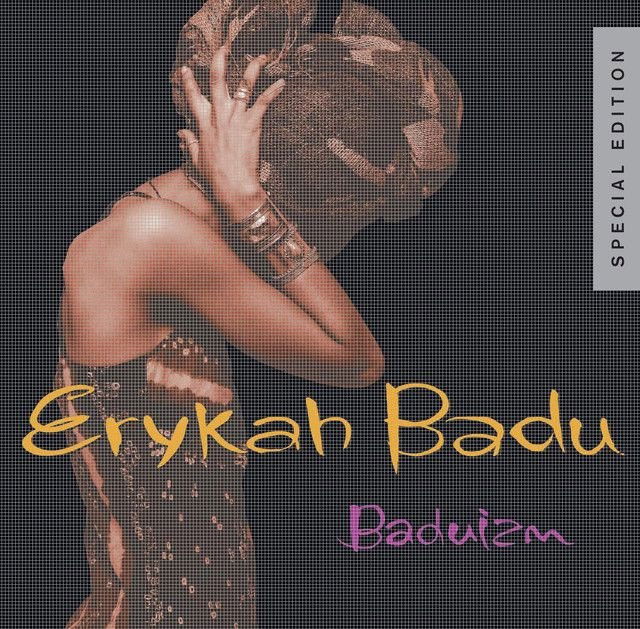
Other Side Of The Game by Erykah Badu
A love story with fear built into it
The meaning of Other Side Of The Game Erykah Badu centers on love under pressure. In the song, they present a woman who stays devoted to a man whose money comes from dangerous, likely illegal work. She understands why he hustles, but that understanding does not erase the fear of what could happen to him, to her, or to their child.
"Other Side Of The Game" - Erykah Badu
Work ain't honest but it pays the bills
What we gonna do when they come for you?
Loading lyrics...
Unable to load lyrics
We're unable to display the lyrics at this time. Please try again later.
That tension is the heart of the song. It is not a simple romance, and it is not a moral lecture either. Instead, Erykah Badu shows how affection, loyalty, survival, and anxiety can all exist at the same time.

Watch the official Other Side Of The Game
music video
What the narrator is wrestling with
The narrator sounds torn between love and dread. Early on, they ask what happens when consequences arrive. The repeated question, paired with work ain't honest
, makes the problem plain: the man provides, but the source of that support is unsafe.
Just as important, the song never paints him as lazy or foolish. Badu notes that he has options and intelligence, even mentioning graduation in the story. That detail matters because it keeps the song from becoming a stereotype. The issue is not lack of ability. The issue is a system and a set of choices that have pulled him into “the game.”
The chorus turns private love into public danger
The chorus is memorable because it sounds almost conversational, but it carries a warning. When they repeat when they come for you
, the phrase points beyond one household. It suggests police, punishment, and the larger reality hanging over street economies.
Interpretation: the hook works because it asks a practical question and an emotional one at once. What will happen legally? And what will happen to the family left behind?
The answer never comes cleanly. Instead, the song stays in uncertainty, which is exactly why it feels so human.
A relationship built on devotion, not denial
One of the strongest things about the song is that the narrator is not blind. They know what kind of life this is. They know the hurt it causes. But they also say, in effect, that love still holds. The brief phrase I love him strong
captures that stubborn attachment.
That line helps explain why the song has lasted. Badu is writing about contradiction. A person can know a situation is dangerous and still feel bonded to the one creating that danger. The song does not excuse the harm; it shows how hard it is to detach from someone who also feels like home.
Pregnancy raises the stakes
The lyrics also suggest a child is on the way. When the narrator says the seed had grown
, the relationship stops being only about two adults. Now the future matters in a bigger way.
That changes the meaning of every choice in the song. The man is not just chasing money. The woman is not just choosing romance. They are both tied to a coming life, which makes the fear more urgent and the devotion more complicated.
He became the sun
I became the moon
Those two short lines are among the song’s most revealing images. They suggest a pair of bodies locked in orbit, different but connected. Interpretation: the image can imply balance, but it can also imply distance. They shine because of each other, yet they do not fully share the same world.
How Badu’s sound deepens the meaning
“Otherside of the Game” appears on Baduizm, Badu’s 1997 debut, and was recorded at Sigma Sound Studios in Philadelphia. It was written by Erykah Badu, Ahmir “Questlove” Thompson, James Poyser, Richard Nichols, and Leonard Hubbard; production is commonly credited to The Roots and Richard Nichols. It is widely described as neo-soul, jazz, and soul, and that blend matters to the meaning.
The music moves like a late-night conversation. The groove is soft, patient, and lived-in. Rather than pushing drama with big drums or a fast tempo, the arrangement lets worry simmer underneath warmth. That choice mirrors the lyric perfectly: outward calm, inward tension.
Badu’s vocal style also matters. They sing with restraint, almost as if thinking out loud. That makes the narrator sound believable. She is not delivering a speech; she is trying to live with a truth she cannot fully fix.
The video makes the danger visible
The song’s official video sharpens the story. It features André 3000 as Badu’s partner and follows a domestic scene interrupted by signs of criminal activity and police attention. The pregnancy is made visible there too, turning the song’s emotional stakes into a full narrative.
That visual context supports a common reading of the track: this is a portrait of a woman tied to a man in the drug trade, loving him while fearing the cost. The video does not change the song’s meaning, but it makes the hidden pressure easier to see.
Why the song still resonates
Part of the reason the track remains powerful is that it avoids easy judgment. It sees the man’s role as provider. It sees the woman’s loyalty. It also sees the damage. That balance keeps the song emotionally honest.
It also helped audiences hear what made Badu special in 1997. According to chart histories summarized by major music references, the song reached No. 2 on Billboard’s Adult R&B chart and No. 14 on R&B/Hip-Hop Airplay. Even without a standard U.S. physical single release, it connected because its story felt specific and real.
The lasting meaning of Other Side Of The Game Erykah Badu
In the end, the meaning of Other Side Of The Game Erykah Badu is about loving someone whose way of surviving may destroy the very life they are trying to protect. It is a song about loyalty with eyes open.
Badu does not offer a neat ending. They leave the listener in the same uneasy place as the narrator: between tenderness and fear, hope and consequence. That unresolved feeling is the point.
Disclaimer: This interpretation blends documented context with close reading. As with any song, listeners may hear different meanings in the lyrics and performance.







