Why 'Hum Hallelujah' Feels Like a Broken Prayer
The meaning of Hum Hallelujah Fall Out Boy comes down to a tense mix of confession, irony, and survival. On the surface, the song sounds huge and catchy. Under that surface, it feels like someone trying to stay upright while their thoughts, relationships, and self-image are falling apart.
"Hum Hallelujah" - Fall Out Boy
Better off against, worse for wear
And you're someone, who knows someone, who knows someone I once knew
Loading lyrics...
Unable to load lyrics
We're unable to display the lyrics at this time. Please try again later.
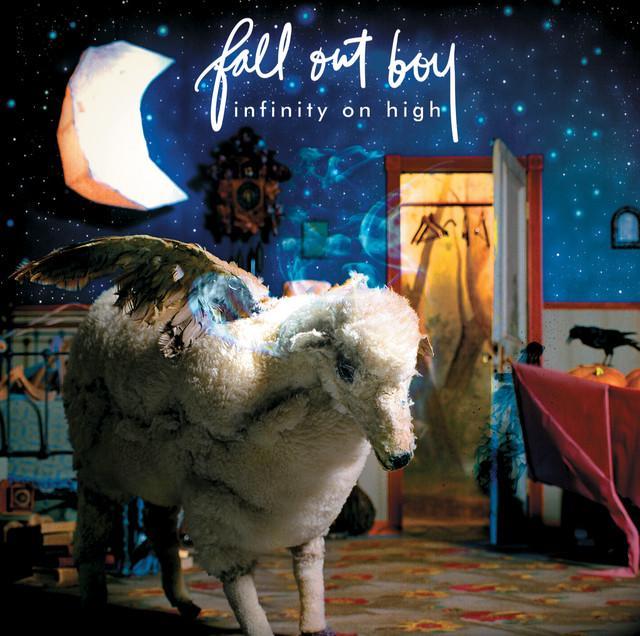
Released on Infinity on High in 2007, the track sits inside a major moment for the band. That album became Fall Out Boy’s first to debut at No. 1 in the U.S., and it pushed their mix of pop hooks and emotionally loaded writing into the mainstream. In that setting, “Hum Hallelujah” stands out because it turns pain into something almost anthemic.
The song’s core idea: praise sung through panic
At its heart, the song sounds like a damaged prayer. The title phrase and chorus use sacred language, but not in a calm or church-like way. When they sing hum hallelujah
, it does not sound fully redeemed. It sounds off-center, half-believing, and exhausted.
That is why the line just off the key of reason
matters so much. The song suggests a person who is emotionally out of tune with the world around them. They are still reaching for meaning, but they cannot do it cleanly. The “hallelujah” is less a victory cry than a survival reflex.
Interpretation: This is one reason the song keeps resonating. It captures what it feels like when hope exists, but only in damaged form.
Watch the official Hum Hallelujah
music video
How the verses build a world of regret
The verses are packed with Fall Out Boy’s usual sharp, compressed images. They jump from social scenes to roads, pills, hospitals, bedrooms, and vows. Rather than tell a neat story, they create emotional fragments that point to instability.
One of the strongest images is the road outside my house
being paved with good intentions. That flips a familiar saying into something personal and mechanical. The song suggests that even good motives can still wreck a person’s life.
Another key phrase is a teenage vow in a parking lot
. The image feels young, reckless, and temporary. A vow should sound sacred and lasting, but placing it in a parking lot makes it feel fragile, impulsive, and maybe already broken.
This tension runs through the whole song: sacred words are placed next to messy, earthly settings. That clash gives the track its emotional sting.
The addiction reading and why listeners hear it
Many fans and lyric sites connect the song to Pete Wentz’s struggles with mental health and his 2005 overdose. Fall Out Boy’s lyrics are often open to multiple meanings, so that reading should be treated carefully. Still, it remains one of the most common ways people understand the song.
The line I sing the blues
and then swallow them turns sadness into something physical. Instead of expressing pain, the speaker takes it inward. That image helps explain why listeners hear the song as being about self-medication, depression, or both.
Another phrase, sometimes we take pills
, makes that connection even harder to ignore. In context, the song seems to compare emotional risks and chemical ones. It presents both as desperate attempts to manage fear, desire, or emptiness.
Interpretation: In this reading, the chorus becomes a near-prayer from someone stuck between self-destruction and the wish to be saved.
A second reading: love, illusion, and romantic self-deception
The song also works as a story about realizing that attraction is not the same as love. When they admit they thought they loved someone but were really responding to appearance and mood, the song exposes how easily intense feelings can be mistaken for truth.
That idea makes the relationship details feel unstable on purpose. The speaker seems drawn in, then already halfway gone. There is desire, but there is also distance. Even tenderness arrives with warning signs.
The hospital-and-chapel image is especially powerful because it mixes care, crisis, intimacy, and mortality in one shot. Love is presented as something sacred but damaged, comforting but frightening. It is never just romance in the simple sense.
How the sound carries the message
Musically, “Hum Hallelujah” helps sell its emotional contradiction. Fall Out Boy build the song with bright, driving rock energy, but Patrick Stump’s vocal delivery keeps a worn, yearning edge. That contrast matters.
The band’s arrangement turns inward pain into an arena-sized release. The chorus feels communal, almost like a sing-along, but the words remain uneasy. That makes the song feel like a public performance of private collapse.
This is a big part of what Fall Out Boy did so well in the Infinity on High era: polished, hook-heavy production carrying lyrics full of nerves, guilt, and coded confession. “Hum Hallelujah” may be catchy, but it never feels emotionally simple.
Why the Leonard Cohen connection matters
The writing credits provided here include Leonard Cohen, which points to the song’s clear relationship to “Hallelujah.” That connection matters because Fall Out Boy are borrowing a word already loaded with spiritual longing, beauty, and sadness.
They do not reuse that feeling as straightforward tribute. Instead, they reshape it into something more jagged and modern. Their version of “hallelujah” is not peaceful revelation. It is a hum, a half-step, a damaged echo.
That makes the title especially smart. To hum is to sing without fully speaking. The song reaches for transcendence, but it cannot quite say everything directly.
Final takeaway
The meaning of Hum Hallelujah Fall Out Boy is best understood as emotional conflict set to a huge hook. It is about trying to find grace while feeling guilty, dazzled, numb, or close to the edge.
Whether someone hears addiction, romantic illusion, or both, the song’s power comes from the same place: it turns broken thoughts into a chorus people can shout back. That is why it still lands.
Disclaimer: This interpretation combines lyrical analysis, public context, and common listener readings. Because Fall Out Boy’s writing is often intentionally ambiguous, some meanings remain interpretive rather than definitive.