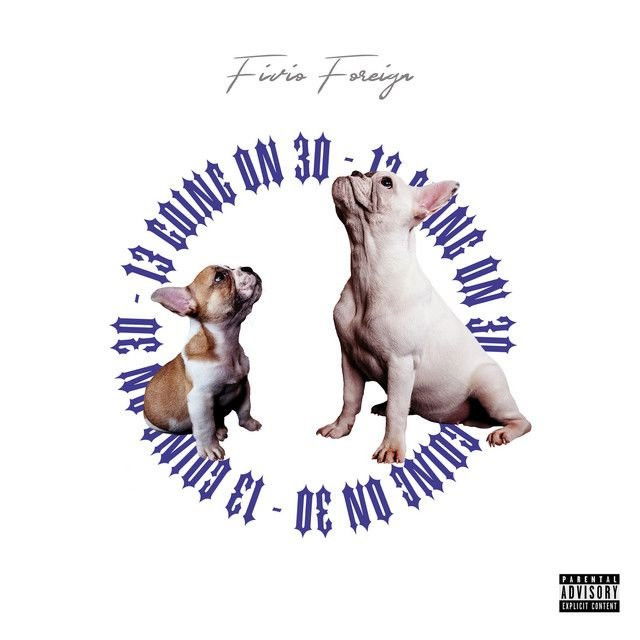
13 Going On 30 by Fivio Foreign
The meaning of 13 Going On 30 Fivio Foreign comes through fast: this is a song about being doubted, carrying trauma, and refusing to stay broken. Fivio Foreign turns a familiar rap theme—people switching up after success—into something heavier by adding grief, family pressure, and the memory of being at his lowest.
"13 Going On 30" - Fivio Foreign
Yeah, (uh) uh, yeah
Niggas gave up on me (niggas gave up on me)
Loading lyrics...
Unable to load lyrics
We're unable to display the lyrics at this time. Please try again later.
They are not just bragging here. They are documenting what it felt like to be abandoned, then seen again only after winning.
A comeback story with scars still showing
On the surface, the song sounds like a hard success anthem. The chorus keeps returning to the idea that people gave up on me
, and now they want access again. In plain terms, Fivio is saying that others lost faith too early, while he kept going and later shared the rewards with those who stayed loyal.
That part matters. The song does not present success as a clean fairy tale. Even when he says he rewarded everybody
who waited, the mood is not warm for long. The next feeling is suspicion. He has seen people switch back
, and that makes victory feel defensive rather than peaceful.
Interpretation: the title suggests forced maturity. Whether or not it directly references the 2004 film, the phrase “13 Going On 30” evokes growing up too fast. That idea fits the lyrics: they describe adult burdens arriving all at once, with little room for innocence.

Watch the official 13 Going On 30
music video
The verses turn pride into testimony
What gives the song weight is how quickly it moves from flexing to pain. Fivio lists bigger moves and sharper focus, but then he starts naming what was happening around him when life was collapsing.
My bitch is pregnant
My mom's in the hospital
I'm losin' my crib
This is the song’s emotional center. He is not only saying people betrayed him; he is saying they did it while he was dealing with family crisis, possible homelessness, and grief. According to Wikipedia, Fivio Foreign is from East Flatbush, Brooklyn, and his mother died in 2016 after a stroke. That background does not explain every lyric, but it does make the song’s references to his mother and instability feel especially personal.
Another key line is the claim that he was feeding others when he was down. Paraphrased, he remembers helping people who later forgot him. That flips the usual success narrative. He is not angry only because people doubted his talent. He is angry because they failed a loyalty test.
What the hook really says about loyalty
The chorus is simple, but its meaning is layered. Repetition makes the hurt sound unresolved. He is still arguing with the memory of abandonment.
When he says people should never have doubted him, it is part celebration and part warning. He has proof now. They were wrong. But there is also a message for anyone close to him in the present: if they changed once, they can change again.
That is why even playful or flashy lines do not fully lighten the song. A punch line like big bag
still points back to work, money, and survival. The pleasures are temporary; the mission is bigger.
Drill production keeps the song tense
Fivio Foreign came up as one of the major voices in Brooklyn drill, a style known for aggressive percussion, sliding bass, and a constant sense of motion. He broke through with “Big Drip” and later reached a wider audience through features and his 2022 album B.I.B.L.E.. Those facts matter because this track uses that same drill intensity to carry its meaning.
The beat does not sound reflective in a soft way. It sounds watchful. The rhythm pushes forward while his delivery alternates between barked emphasis and quick, clipped phrases. That makes the song feel like someone speaking from inside pressure, not after it has passed.
Interpretation: the production mirrors trauma. Even in moments of triumph, the music stays on edge, as if success has not made the world safer.
The outro widens the message
Near the end, the song shifts from personal grievance to advice. Fivio basically says people should not copy whatever is popular. They should become a better version of themselves and do it for the people who love them.
That speech changes the record. It turns anger into motivation. Instead of ending only on revenge, the song ends on self-improvement and purpose.
The Pop Smoke reference matters too. Fivio and Pop Smoke were closely linked in the rise of Brooklyn drill, and the closing tribute places the song inside a larger story of loss, ambition, and neighborhood legacy. The line about the smoke never clearing suggests memory that will not fade.
So what is the song finally saying?
The meaning of 13 Going On 30 Fivio Foreign is not just “they doubted me and now I’m up.” It is about what success feels like when it comes after betrayal, grief, and instability. The song argues that winning does not erase pain; it exposes who was real during the hardest stretch.
That is why the track hits harder than a standard boast record. It keeps one foot in the present and one in the worst part of the past. Fivio sounds proud, but they also sound marked by what happened.
For casual listeners, the simplest takeaway is this: the song is a survival statement. For closer listeners, it is also about growing up too fast, remembering every slight, and trying to turn hurt into direction.
Disclaimer: This interpretation is based on the lyrics, public artist context, and the song’s sound. As with any art, some meanings remain open to listener interpretation.







