The Meaning Behind 'Everlong' by Foo Fighters
They press play, and time seems to pause. That’s the pull of Everlong—an explosive love song that asks whether a perfect moment can stretch on forever.
"Everlong" - Foo Fighters
I've waited here for you
Everlong
Loading lyrics...
Unable to load lyrics
We're unable to display the lyrics at this time. Please try again later.
What This Song Is Really Reaching For
At its heart, the meaning of Everlong Foo Fighters is the awe of finding someone who makes life feel vivid again. The narrator hopes the feeling is not a spark but a glow that lasts. When they say Hello, I've waited here for you
, it frames love as a long-held wish finally met.
Interpretation: The chorus asks if the emotional “realness” of a shared moment can keep going. It’s not just romance; it’s the shock of recognition—like the world snapping into focus.

Watch the official Everlong
music video
Who’s Speaking—and To Whom?
The voice is first-person, confessing desire and relief. A line like Breathe out, so I can breathe you in
uses breath as intimacy; it’s trust made physical. The partner responds in song, which is why the narrator says they sing along with you
—harmony as a metaphor for unity.
Interpretation: The dialogue hints at two people pulling each other out of isolation. Love is presented not as rescue, but as resonance.
From Couch Riff to Classic Hook
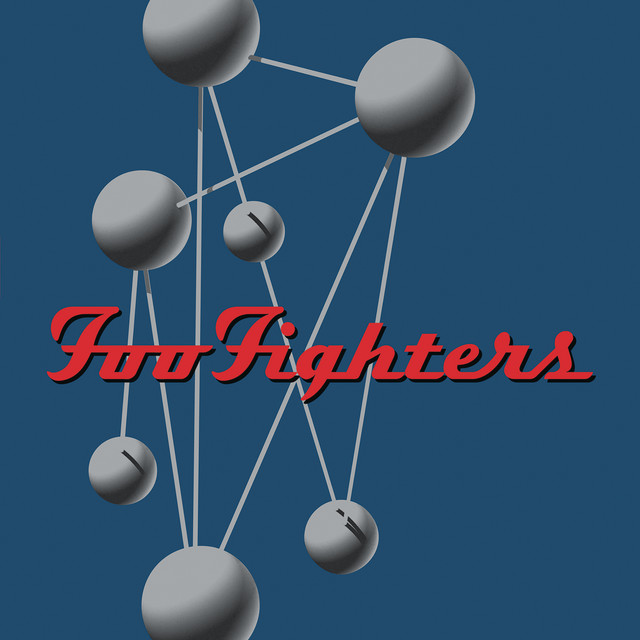
Fact: Dave Grohl wrote Everlong quickly in late 1996 during a period of personal upheaval, then cut it for Foo Fighters’ 1997 album The Colour and the Shape. He has described the song as about being so connected to someone that when you sing together, you harmonize perfectly. Louise Post contributed phone-recorded backing vocals, and the track closes with a collage of whispers.
These details matter because the song’s intimacy is baked into the recording: spur-of-the-moment writing, a loved one literally on the line, and secrets murmured under the final chorus.
Lines That Lock the Feeling
Come down and waste away with me
: Surrender as a safe place. Time “wasted” together becomes sacred.If anything could ever be this good again
: The fear that perfection is a one-time gift.The only thing I'll ever ask of you
…Promise not to stop when I say when
: Consent and continuity; keep going while the moment is true.
Interpretation: The song balances urgency and consent. It’s an ecstatic plea to stay present, not to outrun the high or cut short the connection.
How the Sound Makes Time Stretch
The arrangement mirrors the lyric’s arc. Tight, muted guitars build tension; then the chorus opens with wide-strummed chords and stacked vocals, like a rush of air. Drums hit hard on downbeats, pushing momentum forward while Grohl’s voice strains sweetly at the top of his range. That friction—muscular guitars against a tender melody—creates the feeling of time dilating.
The whispers near the end function like a secret kept between lovers. Even without catching the words, listeners feel the intimacy of something meant for two.
A Quick Narrative Timeline
- Waiting and longing: the greeting signals a reunion.
- Surrender: the verses invite slowing down together.
- Peak: the chorus questions whether the high can last.
- Bond: breathing and singing together turn into symbols of perfect sync.
- Command turned promise: the “don’t stop” line ties euphoria to trust.
Context That Deepens the Song
Grohl wrote Everlong during a low point—divorce, band stress, and instability. Folding that pain into a love song gives the track its edge: joy that knows what it’s up against. The music video’s surreal heroism and the song’s role in cultural moments—like being requested by David Letterman for his post-surgery TV return and later closing his final show—have only reinforced its association with endurance and recovery. It’s not just about romance; it’s about surviving to feel something real again.
Alternate Ways to Hear It
- Interpretation: A love-as-healing reading—two people helping each other breathe after loss.
- Interpretation: A broader anthem of connection—any moment with friends, family, or a crowd where voices lock together and the world feels briefly right.
Both work because the lyrics are specific enough to feel personal, but open enough to fit many lives.
Why It Still Hits
Everlong distills the rush of being seen and the terror of losing it. The band turns that tension into lift: each chorus explodes like a memory arriving fresh. That’s why listeners return to it for weddings, recoveries, and late-night drives.
Takeaway
If the song has a thesis, it’s this: when harmony is real—whether between two people or a whole room—it makes time feel elastic. That sensation doesn’t last forever. But in Everlong, they bottle it long enough to remember how it feels.
Disclaimer: Song interpretations are subjective; this reading combines artist context with lyrical and production analysis.








