Why "Walk" by Foo Fighters Still Hits Hard
The meaning of Walk Foo Fighters comes down to one clear idea: starting over after pain. The song turns a basic human act into a powerful image for recovery. Instead of treating healing like a grand speech, they make it feel physical, awkward, and brave.
"Walk" - Foo Fighters
Your signal in the distance
To whom it may concern
Loading lyrics...
Unable to load lyrics
We're unable to display the lyrics at this time. Please try again later.
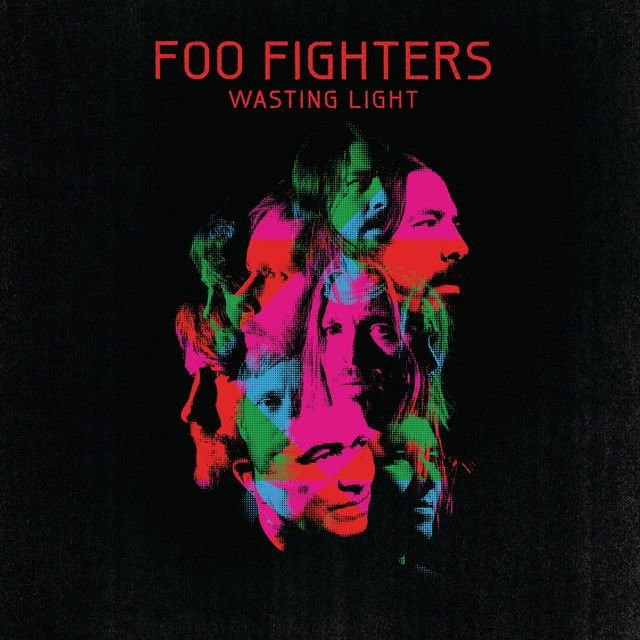
Released as a single from Wasting Light in 2011, "Walk" became one of the band's biggest modern anthems, topping Billboard's Rock Songs chart and later winning Grammys for Best Rock Performance and Best Rock Song. Those facts help explain why the track has lasted: it sounds huge, but its message is simple and human.
The Heart of the Song Is Starting Again
On the surface, the lyrics describe someone trying to find their footing. Phrases like A million miles away
and I think I lost my way
set up distance and confusion. They suggest a person who feels disconnected from purpose, from other people, or even from themselves.
Then the chorus changes everything. When they sing Learning to walk again
and Learning to talk again
, they turn recovery into something almost childlike. That matters because the song does not act like healing is graceful. It says recovery can mean relearning things that once felt natural.
Interpretation: This is why the chorus feels so emotional. It is not just about survival. It is about rebuilding identity after a collapse.

Watch the official Walk
music video
Dave Grohl's Backstory Sharpens the Meaning
There is real-life context behind the song. Dave Grohl said the verse idea came after helping his daughter Violet learn to walk. That personal image gave the song its central metaphor.
He also said the track fit Wasting Light because the album deals with time and second chances, and he wanted it to end on a positive note. Just as importantly, Grohl connected the song's hope to surviving deep crisis after Kurt Cobain's death. In brief comments, he described wanting people to know that even terrible moments can be pushed through.
Those facts matter because they keep the song from sounding abstract. The message is not vague inspiration. It comes from family life, grief, and lived survival.
How the Verses Build Toward Renewal
The verses are full of motion, but it is unstable motion. The speaker seems far from where they want to be, then admits they are Getting good at starting over
. That is a striking line because it sounds both tired and wise.
Later, the song looks back on past efforts with images of fragile things being built and destroyed. The "paper mountains" idea suggests dreams, plans, or even ego structures that could not last. Yet the next emotional turn is not defeat. The speaker says they have found a place and can feel strength growing.
A short timeline helps show the arc:
- They feel lost and distant.
- They admit they have had to restart many times.
- They remember old failures and broken ambitions.
- They sense new strength.
- They choose life, movement, and persistence.
That progression is why the song feels earned rather than falsely cheerful.
The Bridge Turns Survival Into Defiance
The bridge is where "Walk" becomes larger than a comeback song. The language gets more intense, moving from quiet uncertainty into a refusal to disappear.
I'm on my knees
I'm praying for a sign
Even in this brief moment, the speaker is not passive. They are desperate, but still reaching. Soon after, the repeated I never wanna die
lands like a blunt statement of will.
Interpretation: In context, that line is less about literal death than about refusing surrender. It sounds like a rejection of numbness, self-erasure, and hopelessness. Pat Smear once described "Walk" as almost the opposite spirit of Nirvana's dark joke-title "I Hate Myself and Want to Die," which makes the song's life-affirming push even clearer.
Why the Sound Feels Like a Breakthrough
The production helps carry the meaning. Wasting Light was famously recorded in Grohl's garage with producer Butch Vig, giving the album a live, punchy feel instead of a polished digital gloss. On "Walk," that approach makes the song feel immediate.
The arrangement starts controlled, then expands. Hawkins' drums push the chorus forward with a steady, physical drive. The guitars grow wider and louder without losing clarity, and Grohl's vocal shifts from reflective to near-shouted conviction. Rami Jaffee's organ also adds lift in the background.
That sonic rise mirrors the lyric journey. The track does not simply tell listeners about recovery; it sounds like recovery happening in real time.
A Few Strong Readings of the Song
The most direct reading is about personal healing. Someone has gone through emotional wreckage and is trying to live fully again.
A second reading is about artistic renewal. Since Grohl placed the track as the final song on Wasting Light, it can also feel like a statement about a band reconnecting with raw purpose.
A third reading sees the song as broadly communal. Because the chorus uses simple, universal actions, listeners can map their own experiences onto it: grief, addiction recovery, depression, divorce, or burnout.
That openness is part of why "Walk" connected so widely in the United States and beyond.
Why "Walk" Endures
The meaning of Walk Foo Fighters lasts because it balances vulnerability and power. They admit confusion, fear, and collapse, but they never stay there. The song insists that beginning again is not weakness. It is courage.
That is also why the track works as the ending of Wasting Light. After all the tension before it, "Walk" closes the album with motion instead of despair.
Disclaimer: This article offers interpretation based on the lyrics, artist comments, and release context. Like any song, "Walk" can mean different things to different listeners.









