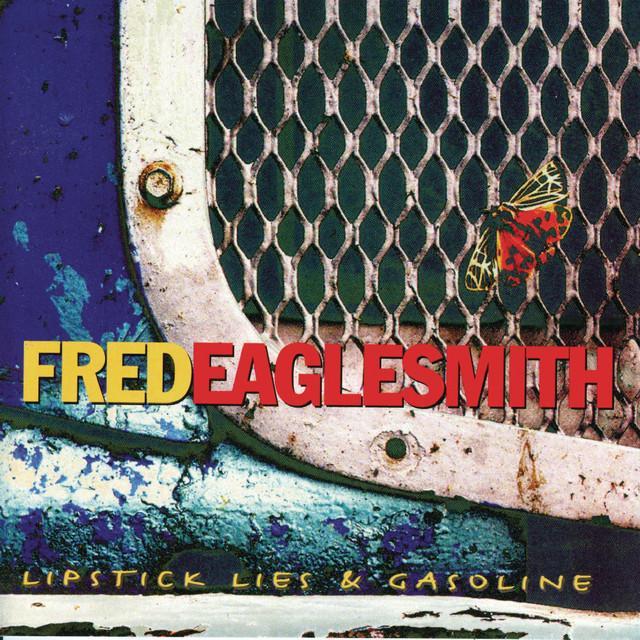
Why 'Time To Get A Gun' Hits So Hard
The meaning of Time To Get A Gun Fred Eaglesmith starts with a simple rural story, but it grows into something bigger. This is not just a song about buying a weapon. It is about fear, pressure, land, family duty, and the feeling that ordinary people are being pushed into hard choices.
"Time To Get A Gun" - Fred Eaglesmith
Right out of his driveway
We heard the dogs a'barking
Loading lyrics...
Unable to load lyrics
We're unable to display the lyrics at this time. Please try again later.
Fred Eaglesmith has long written songs about small towns, working people, and places under strain. In this song, they present a narrator who feels boxed in from every side. A theft in the neighborhood, a government plan, and worry inside the home all build toward one blunt conclusion: time to get a gun
.
A Country Story About Pressure, Not Power
On the surface, the plot is easy to follow. The neighbor's car is stolen. The dogs barked, but no one acted. The family starts thinking more seriously about safety. Then another problem arrives: a government man says a highway and overpass are coming through the area.
That second verse matters because it widens the song. The gun is not only about crime. It also becomes a symbol of resistance when the narrator hears plans for a four lane highway
. The threat is no longer one thief in the night. It is also modern change, official power, and the loss of control over home and land.
Interpretation: The song suggests that fear can come from both private danger and public systems. The narrator feels exposed in every direction.
Watch the official Time To Get A Gun
music video
The Chorus Turns Anxiety Into Decision
The chorus is plainspoken, which is why it lands so hard. The line when the talking is over
frames the whole song. It implies that discussion, caution, and compromise have all run out.
That makes the title phrase sound less like swagger and more like resignation. The narrator is not celebrating violence. They sound tired, defensive, and cornered. Even the darkly funny line about doing a little less drinking
adds to this. It shows someone trying to be practical while their life feels unstable.
Time to put something
Between me and the sun
This is the song's most revealing image. Paraphrased, the narrator wants protection from a harsh world. The gun becomes a shield in their mind, something that stands between them and danger, exposure, or judgment.
Family, Gender, and Rural Duty
The home scenes give the song its emotional weight. Mary worries about herself and the children. She also says she did not grow up around guns. That detail brings in culture and tradition. One person sees a gun as a break from the past; the other sees it as a necessary next step.
The narrator then claims the final decision should be theirs because someone has to face the dark outside world. The phrase walk into the night
is brief, but it carries a lot. It turns protection into identity. They see themselves as the one who must go out, take risks, and guard the household.
Interpretation: Eaglesmith may be examining a rural model of masculinity here. The narrator feels responsible, but also trapped by that role. They are not fully confident. They are convincing themselves as much as anyone else.
More Than Politics, Less Than a Slogan
It would be easy to flatten this song into a modern political statement, but that misses its strength. The lyric is more human than ideological. It shows how fear grows in steps.
First comes the local crime. Then state power enters the yard. Then family anxiety turns private stress into moral duty. By the end, the decision feels almost inevitable, even if the listener does not agree with it.
That is what makes the meaning of Time To Get A Gun Fred Eaglesmith so sharp. The song does not preach. It documents the mental path that leads a person from worry to armed self-protection.
How the Sound Supports the Message
Eaglesmith's writing often works best in spare arrangements, and this song benefits from that plain style. The performance feels rooted in folk-country traditions: steady rhythm, direct vocal delivery, and an unfussy arrangement that keeps attention on the words.
That musical simplicity matters. A glossy or dramatic production could make the song sound heroic. Instead, the stripped-down feel keeps it grounded. The listener hears a man thinking out loud, not an action-movie character. The music leaves room for unease.
For artist context, Eaglesmith is widely recognized as a Canadian alt-country and folk songwriter with a long career built around touring and character-driven writing, as outlined on his official site and in the AllMusic profile. That background helps explain why the song focuses on voice, setting, and social detail rather than big melodrama.
Why the Song Still Connects
The song lasts because its tensions are still familiar in the United States. Many listeners know the mix of property anxiety, distrust of institutions, and family protection that runs through it. They may hear it as sympathetic, critical, or both.
That ambiguity is part of its power. The song understands how people justify hard choices. It also leaves open whether the choice truly solves anything. The repeated hook sounds decisive, but the mood underneath remains unsettled.
Final Take on Its Meaning
At its core, this song is about what happens when a person feels exposed at home, unheard by authority, and responsible for others. The gun stands for control in a world that feels increasingly out of control.
The meaning of Time To Get A Gun Fred Eaglesmith is not simply that weapons bring safety. It is that fear, change, and duty can make one seem like the only answer. That is why the song feels so stark and so unsettling.
Disclaimer: This interpretation is based on the lyrics, performance, and available artist context. As with most narrative songs, listeners may reasonably hear different meanings in it.








