Bonita by Gal Costa
A Love Song That Sounds Brave and Nervous
The meaning of Bonita Gal Costa centers on desire mixed with uncertainty. The singer is deeply drawn to someone beautiful, but they are not fully secure. They admire this person, plead for closeness, and try to persuade them not to retreat from love.
"Bonita" - Gal Costa
What magic words would capture you
Like a soft evasive mist you are Bonita
Loading lyrics...
Unable to load lyrics
We're unable to display the lyrics at this time. Please try again later.
That tension matters. This is not a grand, confident seduction song. It is a soft appeal from someone who feels enchanted and a little helpless. Even when the words sound romantic, there is anxiety beneath them. The beloved seems hard to hold, almost dreamlike, and the speaker keeps reaching.
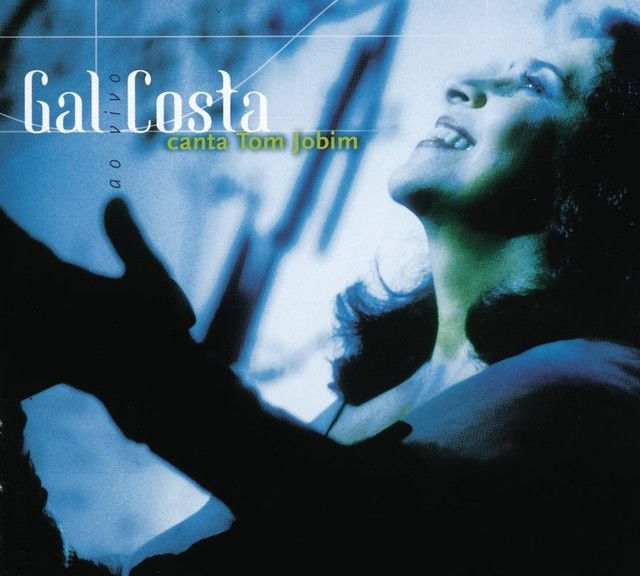
Gal Costa did not write the song, but their interpretation gives it warmth and poise. "Bonita" was composed by Antônio Carlos Jobim, with English lyrics credited to Gene Lees and Ray Gilbert, and it became part of the long life of a Jobim standard. According to Wikipedia's song entry, Jobim first recorded it in 1965, while Gal Costa later recorded it on Gal Costa Canta Tom Jobim Ao Vivo in 1999.

Watch the official Bonita
music video
The Core Story Beneath the Flirtation
They Are Speaking to Someone Just Out of Reach
At its most basic level, the song is about someone trying to convince a hesitant lover to trust intimacy. The beloved is praised, but also described as hard to grasp. Early lines compare Bonita to something elusive, using the phrase soft evasive mist
. That image tells listeners the person is attractive partly because they seem impossible to fully catch.
The next emotional step is even more revealing. The speaker wonders what role they should play to keep this person close. When they ask whether they should be the clown for you
, the song shows a willingness to perform, adapt, or even humble itself for love. This is devotion, but it also hints at imbalance.
The Repeated Name Is a Plea
The chorus does simple but important work. Repeating Bonita
over and over turns the name into both praise and prayer. Then the request Don't run away
sharpens the song's emotional stakes. This is not just admiration anymore; it is fear of rejection.
The final promise, paraphrased, is that love would make life more beautiful for both of them. The line Life will be beautiful
sounds hopeful, but it also functions like persuasion. The singer is trying to create a future with words before that future exists.
How the Lyrics Build the Theme
The song is short, but its ideas connect neatly:
- First comes admiration: Bonita is beautiful and almost magical.
- Then comes uncertainty: they seem to drift away when love begins.
- Next comes self-adjustment: the speaker offers to become whatever is needed.
- Finally comes direct pleading: do not fear love; choose it.
That structure gives the song emotional movement. It starts with awe and ends in a fragile confession.
Don't be afraid
to fall in love with me
Those two lines capture the heart of the song. They show that the speaker believes the real barrier is not lack of feeling, but fear. Interpretation: the song suggests that romance often fails not because desire is absent, but because vulnerability is hard.
What Gal Costa Brings to the Song
A Jobim Standard Through a Brazilian Voice
Gal Costa was one of the great voices associated with Brazilian popular music and Tropicália, known for combining technical control with emotional freedom. In a live Jobim-focused setting, they approach "Bonita" less as drama and more as intimacy. That matters for meaning.
A harsher or bigger performance could make the song sound possessive. Gal Costa's style tends to soften the edges. Their phrasing can make the speaker seem earnest rather than demanding, tender rather than theatrical. In that sense, the performance helps preserve the song's vulnerability.
Why the Sound Matters
"Bonita" comes from the bossa nova and MPB world, where understatement is powerful. The usual musical language around Jobim songs includes light syncopation, gentle harmony, and space for the voice to hover rather than push. Even in live performance, the arrangement often feels elegant and restrained.
That sonic restraint supports the lyric. A song about a person who may slip away should not sound heavy or forceful. Soft guitar, jazz-leaning chords, and a relaxed pulse create a mood of nearness and distance at once. The music seems to lean in carefully, just as the speaker does.
Context That Deepens the Meaning
According to Ruy Castro, as summarized in Wikipedia, Jobim reportedly wrote the song in 1963 after being inspired by Candice Bergen. Whether listeners focus on that anecdote or not, it fits the song's central mood: fascination with a person who feels luminous and slightly unattainable.
There is also a small but useful tension in the song's history. "Bonita" became a standard recorded by many artists, from Jobim himself to Frank Sinatra and later Gal Costa. That broad appeal suggests its theme is universal. Almost anyone can recognize the feeling of loving someone who has not yet said yes.
Two Strong Readings of the Song
Interpretation One: A Simple Romantic Appeal
The clearest reading is that this is a straightforward love song. The speaker admires Bonita, confesses love, and asks for courage from the beloved. In this reading, the song is gentle, sincere, and hopeful.
Interpretation Two: Love as Self-Erasure
A second reading is more uneasy. The offer to be whatever Bonita wants, including anything you say
, may hint that the speaker is giving up too much of themselves. Here, the song becomes about the lengths people go to when they fear losing someone.
Both readings can be true at once. That is part of what makes the song memorable.
Why "Bonita" Still Connects
The meaning of Bonita Gal Costa lasts because it captures a common emotional contradiction: love can make people feel both bold and small. They want to declare everything, yet they know the other person may still walk away.
Gal Costa's version keeps that contradiction alive through grace instead of force. The song feels beautiful not because it solves romantic uncertainty, but because it expresses it so clearly.
Disclaimer: This interpretation is based on the lyrics, musical style, and available song history. As with any art, listeners may hear different meanings in "Bonita."








