Why 'Write This Down' Still Hits Hard
The meaning of Write This Down George Strait starts with a simple fear: realizing what should have been said only when a relationship is slipping away. In this 1999 country hit, the speaker is not angry or bitter. They are late. That lateness is the whole emotional engine of the song.
"Write This Down" - George Strait
Fools are kind of blind
Thought everything was going alright
Loading lyrics...
Unable to load lyrics
We're unable to display the lyrics at this time. Please try again later.
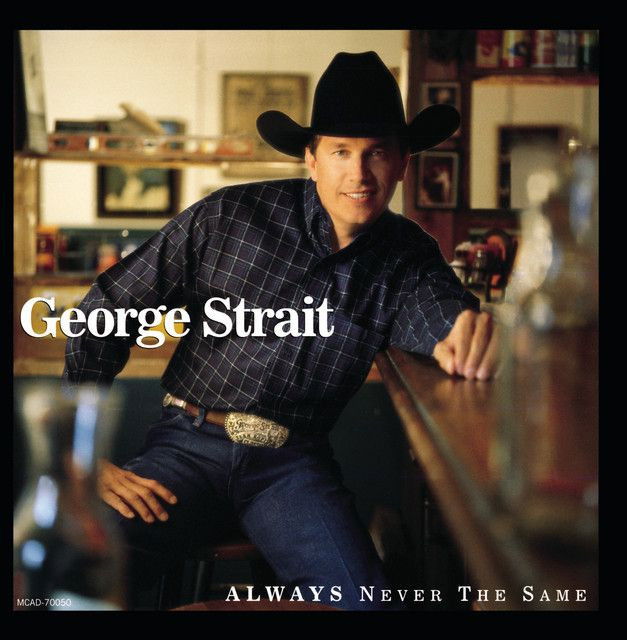
Recorded by George Strait for Always Never the Same, the track was released on March 18, 1999, and became Strait's 35th No. 1 on Billboard's country chart, with crossover success on the Hot 100 as well, according to its release history and chart data in the provided research source. Those facts matter because they show how widely this message landed: it is a breakup song, but one built on plain speech, not melodrama.
A Love Letter Arriving at the Last Minute
At its core, the song is about regret mixed with urgency. The narrator now sees warning signs they missed before. Early lines admit they thought things were fine, even as time was running out. That confession gives the song its emotional honesty.
Instead of making excuses, the speaker jumps to one clear request: write this down
. They want their partner to keep a record of the truth they failed to say enough. The idea is not poetic by accident. It turns emotion into an object—something that can be saved, reread, and carried.
Interpretation: the song suggests that love can be real and still poorly expressed. The pain here is not that feeling was absent. It is that communication was.

Watch the official Write This Down
music video
The Missed Signs Behind the Story
The first verse frames the speaker as someone waking up too late. Phrases like one foot out the door
show that the partner had already begun to leave emotionally or physically. The narrator's regret grows from that image.
This is why the song feels relatable. Many love songs focus on betrayal or heartbreak after the fact. This one sits in the tense moment just before the end, when someone is trying to fix the damage with words.
A Short Timeline of the Lyrics
- They believed the relationship was stable.
- They realize they misread the situation.
- They try to say the essential truth before it is too late.
- They ask for those words to be preserved and remembered.
That structure keeps the song moving forward, even though the emotional focus stays tight.
Why the Chorus Works So Well
The chorus is direct enough to sound like real speech. The speaker asks the other person to remember two things: I love you
and I don't want you to go
. Those are simple lines, but simplicity is the point.
The hook also carries an interesting twist. The narrator is not only confessing love; they are admitting failure. The phrase what I forgot to say
turns the chorus into both a declaration and an apology.
Take my words and read 'em every day
Don't you let 'em fade away
This brief moment sums up the song's logic. If spoken words were too easy to neglect, written words might last. The chorus turns memory into a form of hope.
Everyday Objects, Lasting Feelings
One of the smartest parts of the writing is its use of ordinary objects. The song mentions notes, a bookmark, a refrigerator door, and a picture frame. None of that is glamorous. That is exactly why it works.
These details place love in a lived-in home, not in fantasy. The speaker is imagining reminders inside everyday life, where relationships are actually tested. Country music often gains power from concrete images, and this song follows that tradition.
Later, the image grows larger when the narrator imagines words lasting beyond the couple's lifetime, almost as if they could be carved into history. Interpretation: that shift from a scrap of paper to stone shows how badly they want their feelings to count, even if they were spoken late.
How George Strait's Delivery Shapes the Meaning
The production also matters. According to the provided research, the song was produced by Tony Brown and George Strait. It runs just 3:39, and it never overplays its hand. The arrangement stays warm and clean, with the steady, polished country sound that defined much of Strait's late-1990s work.
That restraint is important. A louder or more dramatic performance could have made the lyric feel desperate. Strait's calm phrasing makes it sound sincere and grown-up. He does not chase the words. He lets them land.
This helps the song balance two moods at once:
- tenderness n- regret
- hope
Because the instrumentation stays measured, the listener hears the plea as heartfelt rather than manipulative.
Why the Song Connected So Broadly
Commercially, the song's reach was huge. The provided research notes that it hit No. 1 on U.S. country radio, reached No. 27 on the Billboard Hot 100, and was later certified 2× Platinum by the RIAA. That crossover strength makes sense.
The theme is universal. Almost everyone knows the feeling of learning the right words too late. The song packages that feeling in language so plain that listeners can step right into it.
The Lasting Meaning of Write This Down George Strait
The lasting meaning of Write This Down George Strait is not just "please stay." It is also "please remember who I really was trying to be." The narrator wants love to survive their own failure to say it well.
That is why the song still works. It understands that relationships are often shaped by small omissions, not just major betrayals. Sometimes the most painful sentence in a love story is the one that was never said at the right time.
In the end, "Write This Down" turns a simple note into a symbol of memory, regret, and one last honest attempt to be understood.
Disclaimer: This interpretation focuses on the lyrics, performance, and known release context. As with any song, listeners may hear meanings that differ from this reading.








