Why Good Charlotte Turned Heartbreak Into a Party
The meaning of I Don't Wanna Be In Love (Dance Floor Anthem) Good Charlotte starts with a simple contradiction: this is a breakup song that refuses to sit still. Instead of slowing down and mourning, Good Charlotte turn rejection into motion, noise, and a group chant.
"I Don't Wanna Be In Love (Dance Floor Anthem)" - Good Charlotte
All that time he was taking her for granted
She wants to see, if there's more
Loading lyrics...
Unable to load lyrics
We're unable to display the lyrics at this time. Please try again later.
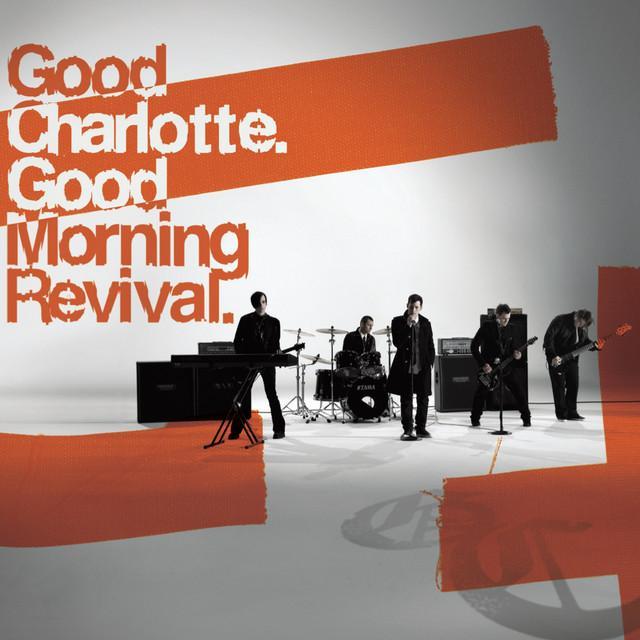
Released in 2007 on Good Morning Revival, the track showed the band leaning harder into dance-rock while keeping their pop-punk bite. It was written by Joel Madden, Benji Madden, and Don Gilmore, who also produced it. Factually, it became a major hit, reaching No. 25 on the Billboard Hot 100 and later earning 2× Platinum status in the US.
The Real Message Hiding Inside the Hook
At the center of the song is a breakup mantra. The repeated line I don't wanna be in love
sounds bold, but the verses make clear that both people still care very much. They call each other, obsess, and react to the other person going out.
Interpretation: the chorus is less a calm statement than a survival tactic. They are not hearing someone who has fully moved on. They are hearing someone trying to dance faster than the hurt.
That is why the hook works. It takes a private feeling many people know—post-breakup denial—and turns it into something public. On the dance floor, saying it out loud feels like control, even if it is only temporary.

Watch the official I Don't Wanna Be In Love (Dance Floor Anthem)
music video
Two Mirror Stories, One Shared Wound
One smart detail in the lyrics is the mirrored structure. First, the song follows a woman going out after being taken for granted. Then it flips, showing a man trying to escape his own breakup in almost the same way.
The first verse: freedom mixed with pain
The opening presents someone trying to reclaim her worth. When the lyric says she's going out to forget
, the song frames nightlife as a coping tool. She is not just partying for fun; she is testing whether life offers more than what the relationship gave her.
Meanwhile, the ex is rattled and possessive. His panic on the phone shows that he only understands her value once he feels he is losing it.
The second verse: the same pattern returns
Then the perspective flips. Now the man is the one heading out, and the woman is the one unsettled. The phrase trippin' on the phone
appears in both story lines, which matters. It suggests heartbreak is not owned by one gender or one villain.
The song is fairer than it first seems. Both people are bruised. Both try pride, distraction, and distance. Both fail to look fully calm.
Why the Chorus Feels So Big
The chorus does not offer deep advice. It offers a crowd response. Lines like put up your hands
and feel the beat now
push listeners away from rumination and toward physical release.
You've got a reason to live
Don't be afraid to get down
That short burst is important because it raises the stakes. The song is not only saying, “Forget your ex.” It is saying a breakup should not end a person’s sense of self.
Interpretation: this is why the chorus landed so strongly in the 2000s pop-rock scene. It treats heartbreak like a social event, where recovery starts not in solitude but in a room full of people moving to the same beat.
Sound First, Sadness Second
A huge part of the song’s meaning comes from its production. Good Charlotte were known for pop-punk, but this single pushed toward a shinier, club-ready style often described as dance-rock. Don Gilmore’s production favors punchy drums, bright synth textures, and a chant-heavy chorus that sounds built for radio and crowded rooms.
That matters because the arrangement keeps the sadness from becoming heavy. The guitars still give it edge, but the groove keeps pulling forward. The result is emotional translation: pain becomes rhythm.
This also fits the band’s broader moment. Good Morning Revival marked a stylistic shift, and this track became one of the clearest signs that Good Charlotte could blend emo fallout, pop structure, and dance-floor energy into one song.
Artist Context Without Overreading It
According to Songfacts, Joel Madden said on MTV's Total Request Live that the song was based on one of his relationships. That gives the track some personal grounding, but listeners do not need gossip to understand it.
The writing is broad on purpose. Instead of telling one highly specific breakup story, the song sketches feelings almost anyone can recognize:
- being taken for granted
- wanting to be seen again
- calling when it is already too late
- trying to look okay in public
That universal framing helps explain the song’s reach. It was catchy enough for pop radio, but emotionally direct enough for listeners who came to Good Charlotte for breakup honesty.
So What Does the Song Finally Say?
The meaning of I Don't Wanna Be In Love (Dance Floor Anthem) Good Charlotte is not that love is bad. It is that right after love fails, people often need a loud, simple sentence to get through the night.
The song understands that breakups can make people dramatic, petty, lonely, and performative. But it also offers a path out: move, sing, laugh, and let the wound lose some power.
In that sense, the title is a bluff that reveals a truth. They may still want love someday. They just do not want the pain that comes with this version of it.
Disclaimer: This interpretation separates documented facts from critical reading. As with most pop songs, some meaning remains open to the listener’s own experience.








