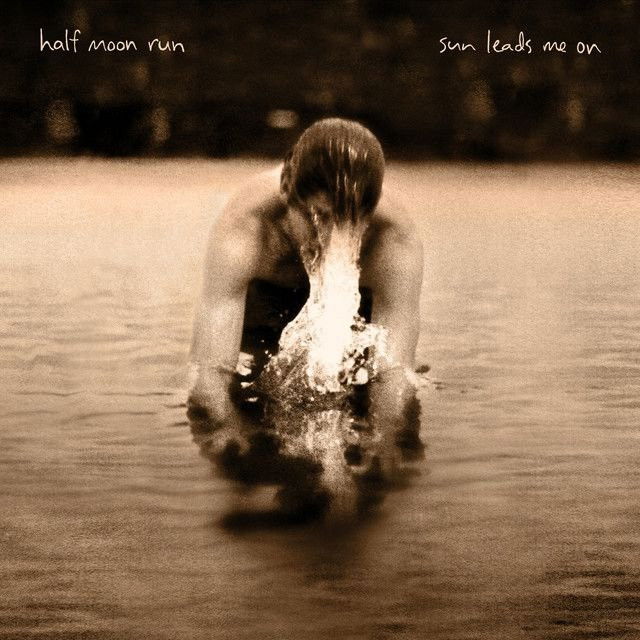
Turn Your Love by Half Moon Run
A quiet plea at the center
The meaning of Turn Your Love Half Moon Run centers on emotional openness. The song sounds gentle, but its message is urgent: one person is reaching toward someone who withdraws, hides hurt, and struggles to fully return affection. Rather than accusing them, the singer asks for honesty, warmth, and a fuller kind of presence.
"Turn Your Love" - Half Moon Run
I know you like to hide away
Keep your head down, sleep the day away
Loading lyrics...
Unable to load lyrics
We're unable to display the lyrics at this time. Please try again later.
That central idea appears in the repeated request to turn your love way up inside
. In plain terms, they seem to be asking the other person to stop burying feeling and let it live more openly. The song is not just about romance. It is also about what happens when love exists, but fear, exhaustion, or old pain keep it muted.

Watch the official Turn Your Love
music video
Where the emotional conflict lives
Early lines describe someone who tends to retreat. Phrases like like to hide away
and sleep the day away
suggest isolation, avoidance, and emotional shutdown. The portrait is compassionate rather than harsh. They are not mocking this person for disappearing; they are noticing a pattern and trying to pull them back into connection.
This makes the song’s tension clear. One person wants closeness, while the other seems stuck in a private struggle. The line about being left in such a state
hints that this withdrawal affects both people. The relationship does not break in one dramatic moment. Instead, it frays through silence, delay, and feelings that stay buried.
A relationship trying to restart
Another important part of the song is the sense of return. The lyric about having come back suggests a reunion after distance, whether emotional or physical. But the reunion is fragile. The singer describes the moment as too early and still tender, which gives the song a wounded, careful tone.
This is why the song feels less like a breakup anthem and more like a repair song. They are trying to rebuild trust before the foundation is fully steady. When the singer imagines making a stronger bond and getting to the bottom of things, they seem to believe honesty could still save the relationship.
A brief map of the song’s movement
The song unfolds in a few emotional steps:
- They identify the other person’s retreat.
- They ask for hidden love to be expressed.
- They revisit a bond that may be restarting.
- They admit that making love real is difficult.
- They promise return, patience, and continued effort.
That movement gives the track its emotional shape. It starts with distance, moves through confession, and ends in imperfect hope.
What the refrain really means
The recurring idea of making it true
matters because it shifts the song beyond simple desire. Love is not enough on its own here. It has to become real in action, speech, and mutual effort. That phrase suggests a gap between what people feel and what they actually show each other.
There is also a revealing moment when the singer says they do not feel strongest singing my own songs
. Interpretation: this may point to self-doubt and emotional exposure. Even while asking another person to open up, they admit they are vulnerable too. That gives the song balance. It is not one healthy person lecturing one distant partner. It is two imperfect people trying, and failing, to become fully honest at the same time.
Now that I said
all those things
I needed saying
Those lines support that reading. They suggest that speaking truth is itself a major event in the relationship.
Sound and production: why it feels so intimate
Half Moon Run are known for intricate indie arrangements, rich harmonies, and rhythmic subtlety, as noted in coverage of the band by outlets like AllMusic and the group’s own official site. That broader context helps explain why this song lands with such emotional softness.
Even without overcomplicated production details, the track’s likely power comes from restraint. The melody circles around the plea instead of exploding into it. The vocals feel searching, not triumphant. That matters because the song is about trying to reach someone closed off; a loud, aggressive arrangement would fight the lyric’s emotional logic.
Interpretation: the music mirrors hesitation. Gentle momentum, layered vocals, and a steady pulse can make the listener feel the push-and-pull between holding back and reaching out. The song’s atmosphere becomes part of the meaning, not just a backdrop for it.
Artist context and why that matters
Half Moon Run, a Montreal band formed by Conner Molander, Devon Portielje, and Dylan Phillips, later joined by Isaac Symonds, have built a reputation for emotionally rich alternative rock with folk and art-pop textures, according to the band’s official biography and CBC Music. The writing credits supplied for this song match that collaborative identity.
That context matters because Turn Your Love feels very much like a band song, not just a diary entry. Its meaning grows through repetition, harmony, and group texture. The emotional appeal sounds communal, as if longing itself is being shared across voices.
Two strong ways to read it
Interpretation 1: It is a direct plea to a withdrawn partner. This is the clearest reading. The singer sees avoidance, asks for more openness, and believes the bond can still be repaired.
Interpretation 2: It is partly about creative identity. The mention of not feeling strong while singing my own songs
opens another possibility: the hidden love may also be inner vitality, confidence, or purpose. In that reading, the song becomes about trying to reconnect with the self as much as with a lover.
Both readings can exist together. That is one reason the song stays interesting. It is specific enough to feel personal, but open enough to fit different kinds of emotional distance.
Why the song lingers
The meaning of Turn Your Love Half Moon Run lasts because it captures a common but hard-to-name experience: loving someone who cannot quite show love back at full volume. Instead of turning that pain into blame, the song makes room for tenderness, fragility, and effort.
Its real strength is that it does not promise easy healing. It simply argues that saying what needs to be said is the start of making love true.
Disclaimer: This interpretation is based on the lyrics, available artist context, and the song’s musical presentation. As with most songs, listeners may hear different meanings in it.








