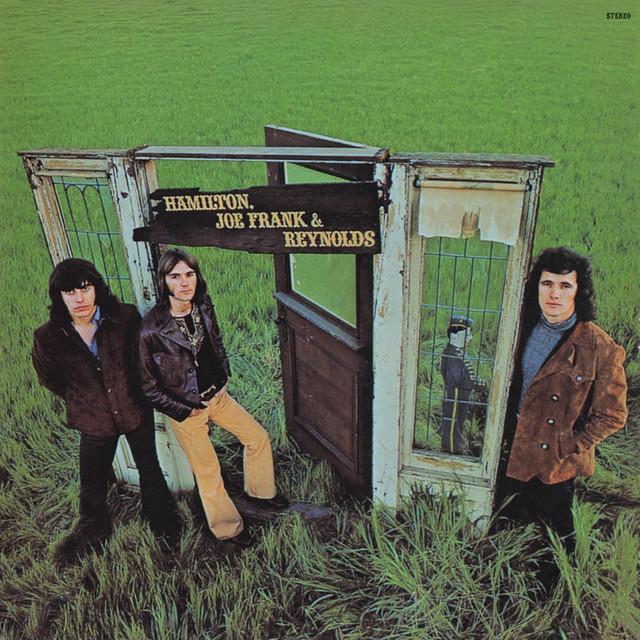
Why “Don’t Pull Your Love Out” Still Hurts
The meaning of Don't Pull Your Love Out Hamilton, Joe Frank & Reynolds comes down to one sharp emotional idea: someone feels a breakup coming and tries desperately to stop it. The song is not subtle about that fear. It turns a simple plea into a full emotional emergency, where losing love feels like losing the ground under their feet.
"Don't Pull Your Love Out" - Hamilton, Joe Frank & Reynolds
If you do, then I think that maybe
I'll just lay me down, cry for a hundred years
Loading lyrics...
Unable to load lyrics
We're unable to display the lyrics at this time. Please try again later.
Released in 1971, the single became the trio’s breakthrough hit in the U.S., reaching No. 1 on the Billboard Hot 100. That success helped establish Hamilton, Joe Frank & Reynolds as a key early-’70s harmony-pop act. The song was written by Brian Potter and Dennis Lambert, a successful songwriting team known for polished pop with strong hooks and emotional clarity.
A Breakup Plea Disguised as a Pop Hook
At the center of the song is a speaker asking a partner not to leave. The title phrase, don’t pull your love out
, treats love like something that can be withdrawn suddenly, almost like support being yanked away. That wording makes the song feel immediate and physical, not abstract.
The chorus raises the stakes fast. When the singer says cry for a hundred years
, they are not describing a realistic future. They are using exaggeration to show how endless the pain feels in the moment. The song’s emotional logic is simple: if this person walks away, everything collapses.
Interpretation: The song works because it captures the panic stage of heartbreak, before acceptance or anger arrives. They are not processing the breakup calmly; they are trying to prevent it at all costs.

Watch the official Don't Pull Your Love Out
music video
Who Is Speaking, and What Do They Want?
The voice is first person, but the emotional structure is easy to follow. One partner appears ready to leave, and the other is scrambling for reasons to make them stay. The verses build this pressure by mixing fear, memory, and bargaining.
One of the clearest moments is the image of the partner taking a big white bird
. In plain terms, that likely means an airplane. Instead of saying “you’re traveling,” the song frames departure as dramatic and final. The fear is not just distance. It is disappearance.
Then the speaker starts listing what they have offered. They mention a brand new ring
, along with emotional and material commitment. That matters because it shows they believe love should be visible through sacrifice, gifts, and devotion.
The Story Moves From Fear to Begging
The song unfolds in a tight emotional sequence:
- They sense the partner is about to leave.
- They imagine the pain that will follow.
- They point to signs of commitment already given.
- They offer even more humility, even to the point of begging.
This is why the song feels so intense in such a short space. Every section pushes the speaker lower emotionally. By the time they are willing to say pretty please
, pride is already gone.
Interpretation: That downward motion is the real drama of the song. It is not about a breakup that has happened. It is about the humiliating moment right before it happens, when someone still thinks the right words might change the outcome.
Love, Money, and the Fear of Abandonment
One striking line of thought in the chorus is that the speaker is willing to lose almost anything except the relationship. They can imagine giving up possessions, dignity, even peace of mind, but not affection itself. That is why the phrase drowning in my tears
lands so strongly. It turns sadness into a flood.
There is also a subtle tension here. The singer asks, in effect, “Haven’t I been good to you?” and points to what they have given. That can sound romantic, but it can also feel transactional.
Two Possible Readings
- Sincere heartbreak: They are simply desperate and trying to hold onto love.
- Uneasy dependence: They may believe devotion and gifts should guarantee loyalty.
Both readings fit the lyrics. That ambiguity is part of what keeps the song interesting.
Why the Bright Sound Makes the Sadness Hit Harder
Musically, the song does something classic pop does very well: it wraps pain in a catchy arrangement. The melody is smooth, the beat is steady, and the vocal harmonies keep the track moving with radio-friendly ease. That contrast matters.
Instead of sounding dark or heavy, the record feels polished and energetic. The result is a split emotional effect: the listener can sing along while still hearing the panic in the words. Early-’70s pop often used this method, and this song is a strong example of it.
The group’s blended vocals also help the meaning. Even though the lyric is personal, the harmonies make the plea sound bigger, almost communal. Heartbreak becomes something polished enough for pop radio but still raw enough to sting.
There’s so much I want to do
I’ve got love enough for two
That brief moment shifts the song from fear to unrealized future. The pain is not only about being left behind. It is also about all the love, plans, and identity that may never get used.
Why the Song Endures
The meaning of Don't Pull Your Love Out Hamilton, Joe Frank & Reynolds still connects because it captures a feeling many people know: the moment when love seems to be slipping away and language becomes dramatic, messy, and needy. The song does not pretend heartbreak is graceful.
Its lasting strength comes from that emotional honesty, plus a melody built for repetition. Listeners may not agree with the speaker’s logic, but they understand the fear underneath it.
In the end, the song is less about romance at its best than love at its most fragile. It shows how quickly devotion can turn into pleading when abandonment feels close.
Disclaimer: This interpretation separates documented facts from critical reading. Meaning can vary by listener, and songs often support more than one valid interpretation.








