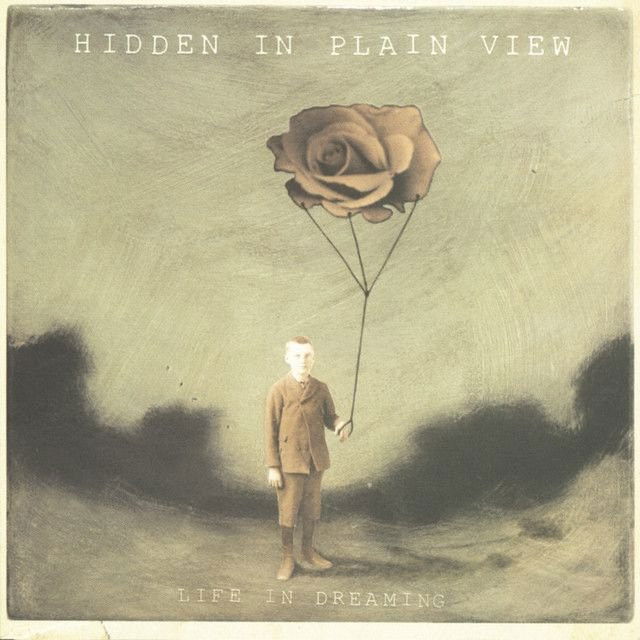
Bleed for You by Hidden In Plain View
The meaning of Bleed for You Hidden In Plain View is painful but clear: the song is about sexual assault, its aftermath, and the helpless urge to protect someone who has survived it. According to Songfacts, guitarist Rob Freeman said the song was based on the stories of two people he knew who were raped.
"Bleed for You" - Hidden In Plain View
And her spirit spills with blood onto the pavement
Hands tied so tight behind her neck
Loading lyrics...
Unable to load lyrics
We're unable to display the lyrics at this time. Please try again later.
That context matters because it changes how the whole track is heard. What might first sound like a dramatic emo confession becomes something darker and more compassionate: a witness trying to speak to trauma they cannot fully fix.
A Song About Trauma, Not Just Heartbreak
The opening verse throws the listener into a violent scene. It describes a woman on cold pavement, restrained and wounded. Those details are not there for shock alone. They establish that this is not ordinary breakup pain, but a physical and emotional violation.
The line around cold concrete
gives the song a hard, unforgiving setting. Nothing feels soft or safe. Soon after, the lyric suggests that everything changes
, which captures one of the song's biggest ideas: trauma creates a before and after.
Interpretation: The song is not only recounting an attack. It is also showing how a survivor's inner world gets altered by it. The body remembers, the mind replays, and daily life becomes divided by what happened.

Watch the official Bleed for You
music video
Who They Are Singing To
One of the song's most important choices is its shifting point of view. In the verses, the survivor is described as she
. In the chorus, the speaker turns directly toward you
. That switch makes the song feel more intimate.
It suggests that the narrator is close enough to the survivor to address them directly, but still separate enough to be powerless. They can witness pain. They can promise care. They cannot erase the event itself.
That is why the chorus lands so hard. When the narrator says I would bleed for you
, they are not speaking literally. They are trying to imagine an impossible trade: let me carry this instead.
The Chorus Turns Empathy Into a Vow
The hook is simple, but it is emotionally intense. The narrator wants to take the other person's pain away, to scream in their place, to suffer in their place, and to hold them until they feel safe again.
That is the emotional core of the meaning of Bleed for You Hidden In Plain View. It is a song about secondary pain too: the agony of loving someone who has been hurt in a way you cannot undo.
Interpretation: The chorus may sound almost exaggerated on first listen, but that excess fits the genre and the subject. In emo and post-hardcore, big feelings are often expressed in absolute terms. Here, those absolutes communicate desperation rather than melodrama.
The Second Verse Shows Trauma After the Event
The song does not stop at the assault itself. It moves into the survivor's attempts to escape memory. There are references to numbing out, bruises, nightmares, and recurring mental images. Those details point to trauma that keeps returning even in private moments.
The phrase nightmares repeat
is especially revealing. It shows that the danger may be over physically, but it continues psychologically. Sleep, which should bring rest, becomes another place where fear returns.
The survivor also tries to hide. That matters because shame and silence are part of the song's emotional landscape. The repeated focus on silence suggests more than quiet. It suggests isolation, disbelief, and the difficulty of saying what happened out loud.
One Bridge, Two Possible Readings
The bridge deepens the song in a striking way. Part of it sounds like the narrator offering to carry the survivor's suffering: take the weight, the knots, the tearing pain, and put it on me.
Then the final lines shift into an immediate, trapped voice:
I've never been so scared
afraid to make a sound
This is the song's most ambiguous turn.
Interpretation 1: The voice may still be the survivor, speaking from inside the assault and its panic. If so, the ending forces the listener into a closer encounter with terror.
Interpretation 2: The voice may blur the line between survivor and protector, showing how deeply the narrator is trying to inhabit the victim's fear. Either way, the song closes in dread, not resolution.
Why the Sound Fits the Story
Hidden in Plain View came from New Jersey's emo and post-hardcore scene, a mix Wikipedia summarizes through tags like emo, screamo, post-hardcore, and pop punk on the band's overview page: Hidden in Plain View. That style matters here.
The band's music often balances melody with urgency, and this song uses that contrast well. The verses feel tense and image-heavy, while the chorus opens into a bigger melodic release. That structure mirrors the lyric: private suffering in the verses, emotional outcry in the chorus.
Wikipedia also notes that Life in Dreaming was the band's first full-length album and marked a darker, more mature direction. It lists the album in 2005 and notes demo and compilation appearances of the song in 2004. That timeline helps explain why "Bleed for You" stands out: it captures a young band pushing beyond scene romance into something much heavier.
Why the Song Still Hits
Part of the song's power is that it does not pretend love can magically heal trauma. The narrator offers arms, voice, and sacrifice, but none of that fully solves the problem. That honesty gives the song weight.
It also explains why listeners have long responded so strongly. Songfacts includes a user comment saying the song became more powerful once its subject was understood. That reaction makes sense. Once the theme is clear, every image feels sharper and sadder.
The Lasting Meaning
In the end, the meaning of Bleed for You Hidden In Plain View is about witness, protection, and the limits of both. The song sees trauma as something that wounds body, memory, and trust all at once. Its chorus answers that horror with a vow of care, even if care cannot undo the past.
That is why the song endures. It is not trying to make pain pretty. It is trying to stand beside someone in pain and say: if suffering could be shared, they would take it.
Disclaimer: This interpretation is based on the lyrics, publicly available song context, and reported commentary. As with any song, some meanings remain open to listener interpretation.








