Why Hozier Turns Doom Into Devotion
The heart of the song in one view
The meaning of Wasteland, Baby! Hozier comes down to a striking idea: love can feel most real when the world feels unstable. In this song, they place romance beside images of collapse, disaster, and ending. But instead of sounding hopeless, the track feels calm, warm, and even grateful.
"Wasteland, Baby!" - Hozier
Happens each time a boy falls in love with a girl
Happens great, happens sweet
Loading lyrics...
Unable to load lyrics
We're unable to display the lyrics at this time. Please try again later.
That contrast is the key. The singer does not deny fear. They simply treat love as something strong enough to stand inside fear without being erased by it. When Hozier repeats Wasteland, baby
, the phrase sounds both bleak and affectionate. It turns a ruined landscape into a private term of endearment.
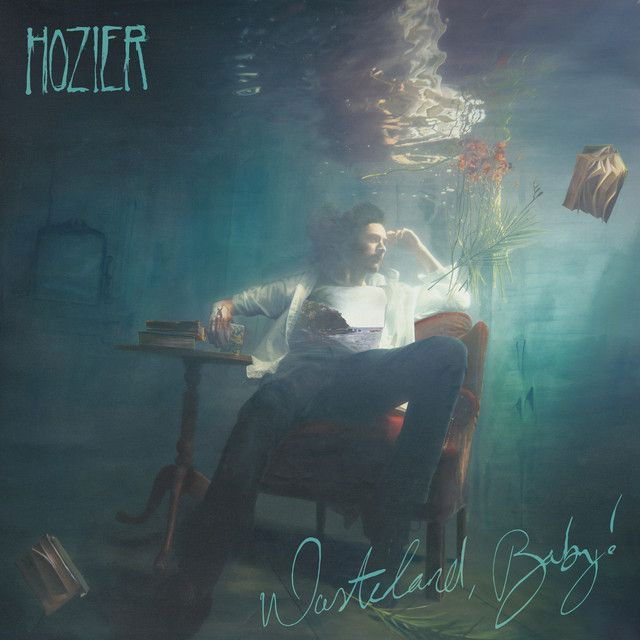
Factually, the song is the title track from Hozier’s 2019 album Wasteland, Baby! and was written by Andrew Hozier-Byrne. The album debuted at No. 1 on the Billboard 200, showing how strongly this mood connected with listeners.

Watch the official Wasteland, Baby!
music video
Love at the edge of the world
Romance and apocalypse share the same scale
The opening lines compare falling in love to the end of the world. That is not just dramatic language. It suggests that love can feel like total upheaval: thrilling, frightening, and impossible to control. The song says that every private romance carries the force of a major event.
This is why Hozier pairs tenderness with damage. He mentions ordinary closeness, like holding hands, beside violent images like shattered glass. The point is not that love is unhealthy. It is that intimacy includes risk. To care deeply is to accept that something precious can break.
The chorus makes the fear smaller
The chorus centers on a simple confession: I'm in love with you
. Around it, the song keeps raising the stakes with cosmic images, but the repeating admission stays plain and human. That plainness matters.
Interpretation: the chorus works like an anchor. The larger the disaster imagery becomes, the more meaningful the small, direct statement of love feels. Instead of escaping the wasteland, they choose to love within it.
How the verses build the theme
One of the song’s smartest moves is how it blends time. It says the future is already hidden inside the past. Moments of joy and moments of destruction are part of the same cycle. Love begins, changes, and may end, but that does not make it worthless.
A central passage makes this clear:
Be still, my indelible friend
You are unbreaking
though shaken and strange,
that is this wasteland love.
Here, the song speaks to a partner with unusual tenderness. The word indelible
suggests something that cannot be erased. Even if life is unstable, the bond leaves a mark.
Later verses widen the lens further. The song imagines extreme endings, including the death of the sun and a world stripped of green life. Yet even there, the lovers are still together. One of the most memorable details is everyday clothing in the middle of cosmic ruin. That contrast keeps the song grounded. Love is not abstract here. It lives in touch, sight, memory, and familiar details.
Symbols that explain the meaning
Fire, glass, sea, and sky
Several images repeat the song’s core message:
- Fire suggests passion, danger, and purification.
- Glass points to fragility; closeness can always crack.
- The sea and the loss of green life evoke environmental collapse.
- The sky and sun push the song into cosmic scale.
Together, these images say that endings happen on every level. Relationships end. Eras end. Worlds end. Still, love matters.
Why “wasteland” is not just negative
A wasteland sounds empty, damaged, and post-apocalyptic. Yet Hozier turns it into a place where intimacy survives. The title phrase becomes almost playful, even soft. That is part of the song’s power. It refuses to let ruin have the last word.
Interpretation: the title may also hint at modern anxiety more broadly—political dread, climate fear, and emotional burnout. In that reading, the song says affection is not denial. It is a way of staying human.
How the sound carries the message
Musically, the track is gentle, slow, and glowing. The production does not explode to match the lyrics’ disaster images. Instead, it leans on soft percussion, warm harmony, and a patient vocal. That choice is important.
If the arrangement were louder or harsher, the song might feel like panic. But the restrained sound turns apocalypse into intimacy. Hozier sings with a kind of hush, as if they are reassuring someone during a storm. The contrast between the calm performance and the dramatic imagery creates the song’s emotional signature.
This is also where the soul and folk elements matter. Hozier often blends gospel warmth, blues gravity, and poetic lyric writing. In this track, that mix helps the song feel ancient and modern at once, like a love song written after the end.
Why listeners connected with it
Part of the song’s lasting appeal is that it captures a familiar modern feeling: the sense that the world is unstable, but daily life keeps going. People still fall in love, make promises, and seek comfort. The lyric all the fear and the fire
names dread, yet the song never stays there.
Instead, it offers a mature kind of romance. This is not a fantasy that love will save the world. It is a quieter claim: love can make a damaged world bearable. That is a smaller promise, but in some ways a stronger one.
The clearest takeaway
The meaning of Wasteland, Baby! Hozier is that love does not need perfect conditions to be real. In fact, uncertainty may reveal its depth. The song frames devotion not as escape from disaster, but as a brave answer to it.
For many listeners, that is why the track lands so deeply. It turns ruin into closeness, fear into tenderness, and the end of the world into a love song.
Interpretation disclaimer: song meaning is never fully fixed. This reading separates factual context from interpretation, and other listeners may hear different shades in the same images.








