Hopeless Opus by Imagine Dragons
The meaning of Hopeless Opus Imagine Dragons comes down to a painful idea: they can chase control, success, and reinvention, yet still feel stuck living with a version of themselves they do not like. "Hopeless Opus" turns that struggle into a fast, anxious rock song about self-judgment.
"Hopeless Opus" - Imagine Dragons
Cherry bomb head strong I could fake my own death
Hey Mr. fate man shuffle me a ninth life
Loading lyrics...
Unable to load lyrics
We're unable to display the lyrics at this time. Please try again later.
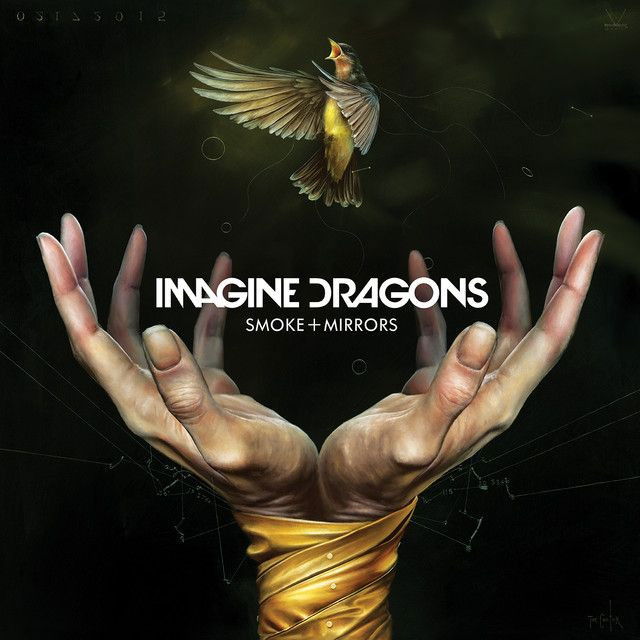
The track appears on Smoke + Mirrors, Imagine Dragons’ second studio album, released in 2015, a record often described by the band as more personal and turbulent than their debut. Dan Reynolds discussed that era as one shaped by inner conflict and pressure, which helps frame this song’s restless tone. Facts about the album and credits are available through Interscope/Imagine Dragons releases and AllMusic.
The Song Treats the Self Like a Failed Masterpiece
At its center, the song uses art language to describe a life gone off course. The title phrase suggests a major work that feels ruined before it is finished. In plain terms, they seem to be saying: this life was supposed to become something meaningful, but now it feels like a mess they do not want to examine too closely.
That idea becomes clear in the chorus, where the singer describes a place filled with empty space
. The image sounds impossible on purpose. It suggests emotional numbness, regret, and a private inner world that looks full from the outside but feels hollow within.
When the song says let me write my own line
, it adds another key theme: control. They want authorship over their story. But that wish arrives only after they admit life is not a picture perfect
one. The tension between freedom and failure drives the whole track.

Watch the official Hopeless Opus
music video
Strange Characters, Real Pressures
The verses throw out odd figures like Mr. cage man
and fate, safety, and money-related characters. These are not developed as literal people. Interpretation: they work more like symbols for the systems closing in around the narrator.
Each one seems tied to a different pressure:
- the cage figure suggests confinement
- the fate figure suggests loss of control
- the safe figure hints at security or compromise
- the postman with a green note points toward money or survival
This is why the verses feel jumpy and surreal. The song moves like a person thinking too fast, reaching for help from every direction but not finding relief. Even the line about faking death reads less like a plot event and more like a dramatic way of imagining escape.
The Chorus Turns Boasting Into Confession
Before the chorus, the lyrics use swagger and motion. Then the hook strips that away. Suddenly, the song is not about attitude. It is about avoidance.
I'm trying not to face
what I've done
what I've become
That short turn is the emotional center of the song. The problem is not just bad luck. It is self-recognition. They are running a race, as the song puts it, but only hoping to place. That detail matters because it lowers the goal from greatness to mere survival.
Interpretation: this is a song about ambition after disillusionment. The speaker once wanted to win. Now they mostly want to get through the day without confronting their own disappointment.
Why the Sound Feels So Restless
Imagine Dragons often build songs from sharp rhythmic pulses, chant-like phrases, and explosive choruses, and "Hopeless Opus" follows that pattern. The band members credited as writers here are Dan Reynolds, Wayne Sermon, Ben McKee, and Daniel Platzman, matching the core lineup named in official credits and major lyric databases like ASCAP and Genius.
Musically, the song supports its meaning in three ways:
1. The beat keeps pushing forward
The arrangement feels nervous rather than relaxed. That constant motion matches a narrator who cannot sit still with his thoughts.
2. The chorus opens up emotionally
When the hook arrives, the melody broadens and the feeling gets heavier. The bigger sound makes the confession hit harder.
3. The repetition feels obsessive
Repeated calls of "Hey Mr." sound almost like intrusive thoughts. Instead of calming the song, repetition makes it more tense.
Two Strong Readings of the Lyrics
There is more than one useful way to hear this track.
A portrait of self-loathing
The most direct reading is that the narrator feels ashamed of his choices and afraid of his own identity. The phrase my hopeless opus
sounds like a label he gives himself, as if his life has become his own worst review.
A critique of success culture
Interpretation: the song can also be heard as a response to pressure from fame, competition, and productivity. The racing image suggests a world where they are always measured, ranked, and compared. In that context, feeling hollow makes sense even in the middle of outward momentum.
Both readings fit the same emotional truth: they are trapped between performance and honesty.
Why the Song Still Connects
Part of the meaning of Hopeless Opus Imagine Dragons is that it captures a familiar fear in vivid language: what if a person becomes the very thing they did not plan to be? The song does not offer a clean solution. Instead, it turns regret into something loud, catchy, and strangely relatable.
That may be why the track stands out on Smoke + Mirrors. It is dramatic, but its core feeling is simple. They want another chance to shape the story, yet they know they cannot erase what already exists.
In the end, "Hopeless Opus" sounds like a crisis of identity disguised as an arena-rock song. It is about the gap between the self they imagined and the self they now have to face.
Disclaimer: This interpretation is based on the released lyrics, recording, and public artist context. As with most songs, listeners may reasonably hear different meanings in the same lines.









