Why Ja Rule’s ‘Race Against Time’ Feels So Urgent
A song about survival, guilt, and momentum
The meaning of Race Against Time Ja Rule comes into focus quickly: this is a song about living fast while knowing that speed may lead to disaster. They present a narrator who feels trapped between ambition, danger, faith, and self-doubt. Instead of sounding victorious, the record sounds restless.
"Race Against Time" - Ja Rule
In my race against time I, can't stop
Runnin' through the red light, livin' my life
Loading lyrics...
Unable to load lyrics
We're unable to display the lyrics at this time. Please try again later.
The central image is motion without safety. When Ja Rule repeats race against time
and runnin' through the red light
, they are not celebrating recklessness as something glamorous. They are describing a life that has become too intense to pause. The song suggests that once someone is shaped by violence, temptation, and pressure, slowing down can feel almost impossible.
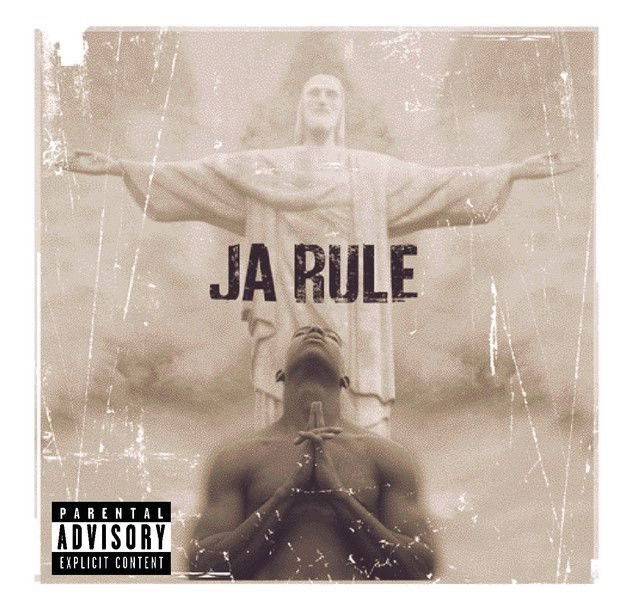
Factually, “Race Against Time” appears on Ja Rule’s 1999 debut album Venni Vetti Vecci, and the song is commonly listed as part of that release in discographies and reference sources such as Wikipedia. The credited writers provided here are Jeffrey Atkins, Irving Lorenzo, and Robert Mays.

Watch the official Race Against Time
music video
The verses turn confidence into confession
A lot of Ja Rule songs from this era balance toughness with vulnerability, and this track leans hard into that contrast. On the surface, they sound fearless. Underneath, they sound worried about what that fearlessness has cost.
In the first verse, they move from questions about purpose to admissions about greed and sin. The line about Cash Money
is especially revealing. Paraphrased, they are saying money became the force that made life “click,” but that same force also fed darker instincts. That creates one of the song’s main themes: success does not erase spiritual conflict.
They also speak to God directly, asking whether life is a blessing or a hard lesson. That detail matters because it stops the song from being just street autobiography. It becomes a moral argument with the self. Interpretation: the narrator is not only racing other people; they are racing judgment, consequence, and maybe death itself.
The hook is the whole philosophy
The chorus is simple, but it carries the song’s full emotional weight. The narrator says they cannot stop, even when things get too hot
. In plain terms, they know the life they are living is dangerous, but they also feel locked into it.
In my race against time I can't stop
Runnin' through the red light
That short passage frames everything else. The “red light” works as a clear symbol for warnings, laws, and moral limits. Running through it means choosing motion over reflection. Interpretation: the hook may also describe fame itself. Once an artist breaks through, the industry, the streets, and personal expectations all demand constant movement.
Mortality hangs over every section
The second verse pushes the song toward mortality. They ask people not to cry and wonder whether anyone can imagine Ja Rule living to old age. That is a striking idea because it shows how limited the future feels in the song’s world.
They also say the main reason they live is for their child. That single detail changes the emotional temperature. Suddenly the track is not just about self-destruction; it is about responsibility. They know their life affects someone else, which makes the urgency feel heavier.
This is where the meaning of Race Against Time Ja Rule becomes especially strong. The song is not simply “I might die young.” It is “I know the risks, I have reasons to live, but I still do not know how to escape the pattern.” That conflict is what gives the record its staying power.
Sound and delivery make the pressure feel real
Even without a flashy pop structure, the production supports the song’s mood. The beat is spare, dark, and steady, which lets the vocals carry most of the drama. The track feels like a late-night confession laid over a street record.
Ja Rule’s delivery matters as much as the words. They use their rough, heavy voice to sound both commanding and exhausted. That mix is perfect for the theme. If the performance were too polished, the song would lose its edge. Instead, it feels like someone talking while already in motion.
Interpretation: the repetitive hook mirrors obsession. Because the chorus returns so often, it starts to feel like a mental loop rather than a simple refrain. The narrator is not just reporting danger; they are stuck inside the same thought over and over.
A portrait of early Ja Rule
In context, this track shows an important side of early Ja Rule. Before crossover hits made him a major mainstream star, their debut era often highlighted grittier writing and a harsher sound. Reference listings also note later related titles like “Race Against Time II” and “Race Against Time Part 2,” showing that the phrase stayed important in his catalog, as documented in Wikipedia’s disambiguation entry.
That continuity suggests the image meant more than a one-off hook. It captured a worldview: life as constant pursuit, constant threat, constant acceleration. For listeners in the United States, especially those familiar with late-1990s New York rap, that feeling fits a moment when rap often mixed ambition with paranoia and survival.
The clearest way to read the song
The best reading is also the simplest one. “Race Against Time” is about a person who knows their life is unstable but keeps moving because stopping feels impossible. They want money, purpose, faith, love, and survival all at once, and the song shows how those desires clash.
The final effect is tragic rather than triumphant. Even when the narrator sounds strong, the song keeps asking what strength is worth if it destroys peace. That is why the track still lands: beneath the bravado, it is really about fear.
Final takeaway
The meaning of Race Against Time Ja Rule lies in its tension between drive and doom. They present a life powered by hunger, shadowed by death, and interrupted by flashes of conscience.
That makes the song less a victory anthem than a warning from inside the storm.
Disclaimer: This interpretation is based on the lyrics, performance, and available song context. As with any art, listeners may hear different meanings in it.








