Why ‘Hymn 43’ by Jethro Tull Still Bites
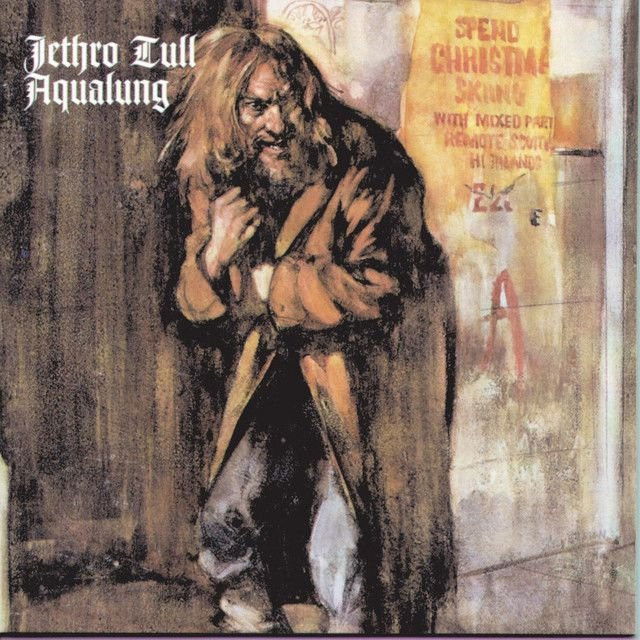
The meaning of Hymn 43 Jethro Tull starts with a sharp accusation: sacred language can be twisted to excuse greed, violence, and self-importance. Released on Aqualung in 1971 and also issued as a single that year, the song is short, loud, and direct by Jethro Tull standards. It runs about 3:14 and came from the same sessions that helped define the band’s early-1970s peak.
"Hymn 43" - Jethro Tull
Who's busy with his money games, his women and his gun
Oh Jesus save me
Loading lyrics...
Unable to load lyrics
We're unable to display the lyrics at this time. Please try again later.
Rather than attacking faith itself, the song aims at people who claim religion while behaving in cruel or selfish ways. That distinction matters. Ian Anderson himself described it as “a blues for Jesus” aimed at “gory, glory seekers” who use Christ’s name for ugly purposes. That comment has guided much of the song’s later reception.
A Protest Song Wearing a Gospel Mask
At its core, “Hymn 43” is about moral hypocrisy. The narrator looks at a world where religion should call people toward mercy, yet it is used to cover money, conquest, and image-making. Early lines contrast heaven with earthly appetites, including money games
and violence. The point is not subtle: public piety can hide private corruption.
The song’s famous refrain pushes that idea hardest. When Anderson sings If Jesus saves
, the line sounds less like a confession of faith than a bitter challenge. He follows it with a warning about people who use His name in death. In plain terms, the song says that Christ’s image has been recruited by people chasing blood, power, and praise.
Watch the official Hymn 43
music video
How the Verses Build the Argument
Each verse adds a new target. One verse sketches a western legend, the unsung Western hero
, then undercuts him by connecting frontier violence with Hollywood myth. The song suggests that national stories often clean up ugly history and turn brutality into entertainment.
That is why some critics hear the song as a swipe not only at religion but also at American self-mythology. In one brief scene, conquest becomes cinema, and cinema becomes moral cover. The effect is chilling because the song never lets those stories stay heroic for long.
Another verse turns from public myth to spiritual imagery. The speaker says they saw Christ in strange modern settings, from the city to the surreal mountains of the moon
. That jump gives the song a dreamlike edge. It implies that suffering and misuse of religion are not trapped in Bible times; they are present everywhere modern life reaches.
The Chorus Is a Cry, Not a Sermon
The repeated plea Oh Jesus save me
is crucial to the meaning of Hymn 43 Jethro Tull. It does not sound triumphant. It sounds desperate, even alarmed.
That changes how the whole lyric lands. The song is not standing above belief and laughing at it. Instead, it sounds like someone horrified by what people have done to something that should mean compassion.
If Jesus saves
He'd better save Himself
from the gory glory seekers
who use His name in death
This is the song’s center of gravity. It frames religion as something endangered by its loudest users. Interpretation: the narrator may be speaking as a disillusioned believer, or at least as someone who still sees a moral value in Jesus even while rejecting religious abuse.
Sound and Production: Why the Message Hits So Hard
“Hymn 43” works because the music is as blunt as the lyrics. Built on hard rock and blues foundations, it drives forward with Martin Barre’s electric guitar, Clive Bunker’s forceful drumming, and John Evan’s keyboard textures. Anderson’s vocal is urgent, almost spitting certain lines, while his flute presence reminds listeners this is still unmistakably Jethro Tull.
The arrangement does not drift into the pastoral side heard elsewhere on Aqualung. Instead, it feels compact and aggressive. That matters. A softer treatment might have made the lyrics sound reflective; this one makes them sound like an indictment.
Interpretation: the blues shape also supports Anderson’s own description of the track. Calling it “a blues for Jesus” fits the song’s rough groove, its call-and-response energy, and its emotional mix of anger and plea.
Artist Context Matters Here
The song sits naturally on Aqualung, an album often discussed for its views on religion, society, and class. Anderson has repeatedly pushed back on the idea that the album is a simple anti-Christian statement. A better summary is that it attacks institutional hypocrisy and false holiness.
“Hymn 43” is one of the clearest examples of that stance because it names the abuse directly. It was written by Ian Anderson and recorded in late 1970 into early 1971, then released as a single in June 1971. It even reached the U.S. Billboard Hot 100, peaking at No. 91, which shows that this pointed message still found a mainstream audience.
Why the Song Still Feels Current
Part of the song’s staying power comes from how often its warning still applies. Public figures still wrap themselves in religious language. National myths still turn violence into noble legend. Entertainment still helps polish images that should be questioned.
That is why the meaning of Hymn 43 Jethro Tull remains fresh. The song asks a simple but difficult question: what happens when the language of salvation is used to justify harm? Its answer is severe. Faith is not the villain here; corruption is.
Final Take on Its Meaning
“Hymn 43” is a hard-rock protest song about people who exploit religion for power, violence, and image-making. Its lyrics move from personal vice to national myth to spiritual betrayal, while the aggressive blues-rock sound keeps the criticism sharp and immediate.
Interpretation disclaimer: song meanings are never perfectly fixed. This reading is based on the lyrics, the recording, and Ian Anderson’s public comments, but listeners may hear different shades of irony, faith, or anger in the song.








