
Brotha by Jill Scott
Why This Song Still Hits So Hard
The meaning of Brotha Jill Scott starts with a simple but powerful act: speaking life into Black men in a culture that often does the opposite. Rather than telling a love story or a breakup story, Jill Scott builds an affirmation anthem. They frame the song as praise, protection, and public support.
"Brotha" - Jill Scott
You wanna tear we down, but you
Can't touch we
Loading lyrics...
Unable to load lyrics
We're unable to display the lyrics at this time. Please try again later.
Released on Scott's debut era and associated with her breakthrough album Who Is Jill Scott?, the track stands out because it sounds warm while carrying a serious purpose. It answers social pressure with tenderness. It answers erasure with visibility.
At its core, the song says Black men are worthy of respect, beauty, and encouragement even when the world tries to reduce them.
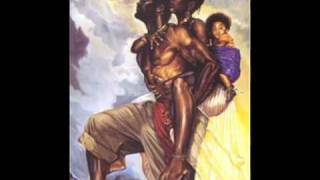
Watch the official Brotha
music video
A Love Letter, a Shield, and a Challenge
Scott's lyric speaks directly to a "brotha," but the message reaches beyond one person. They are addressing Black men as a group while also asking the wider community to value them better. The repeated call not to be held back turns the song into both comfort and warning.
When Scott says don't let nobody hold you back
, they are not pretending hardship is imaginary. In fact, the verses admit damage, pressure, and attempts to control. Phrases like tear we down
and use and discard
point to social systems that exploit people and then dismiss them.
That is why the song feels bigger than motivation. It is not generic self-help. It is rooted in race, dignity, and survival.
How the Verses Build the Theme
The verses follow a clear pattern:
- They name outside harm.
- They reject the idea that harm defines the person.
- They answer with blessing and beauty.
This pattern matters. Scott does not deny vulnerability. They plainly say we ain't invincible
. That line is one of the song's smartest turns because it avoids a superhero fantasy. The men in the song are not praised because they are unbreakable. They are praised because they remain worthy even when they are under pressure.
Then Scott flips the mood. Instead of ending on injury, they answer with words like magnificent, beautiful, and blessed. The emotional movement is the point. The song begins in conflict but keeps choosing esteem.
The Meaning of “Am I My Brother's Keeper?”
One key moment asks whether people are responsible for one another. The answer is yes. In plain terms, Scott argues that community care is not optional.
Am I my brother's keeper?
Yes, I am
This brief exchange gives the whole song a moral center. It says love is not passive admiration. It is active responsibility. In the meaning of Brotha Jill Scott, encouragement is a duty.
What the Chorus Really Does
The chorus is memorable because it is direct. There is no puzzle to solve. Still, its meaning deepens with repetition.
Each return to hold ya, control ya, or mold ya
widens the song's target. Scott is not just talking about one enemy. They are naming all the pressures that try to define Black manhood from the outside: stereotypes, institutions, public fear, and even limiting expectations from within the community.
Interpretation: The chorus works like a protective ritual. By repeating the warning, Scott is trying to replace negative messages with a stronger one. The hook sounds almost like a chant, which helps the song feel communal rather than private.
Sound, Groove, and Why the Production Matters
Musically, "Brotha" sits in neo-soul and classic R&B, with warmth that matches its message. Scott co-wrote the song with Allen Toussaint, a giant of New Orleans songwriting whose sense of groove and uplift helps explain the track's easy confidence. Songwriting credits are documented by BMI Repertoire.
The arrangement is smooth, midtempo, and grounded in live-sounding instrumentation. Instead of dramatic effects, the song leans on a relaxed pocket, supportive harmonies, and Scott's conversational phrasing. That choice matters because the message is serious, but the delivery feels nurturing, not harsh.
Their voice moves between speaking, singing, and praising. That blend makes the song sound like a personal pep talk delivered in public. It feels intimate and communal at once.
Artist Context Makes the Meaning Stronger
Jill Scott emerged as one of neo-soul's defining voices in the early 2000s, known for writing that mixed poetry, romance, social awareness, and Black cultural pride. "Brotha" fits that identity perfectly. It shares space with songs that celebrate everyday Black life without stripping away complexity.
The track also landed during a period when neo-soul often centered self-definition. In that context, Scott's decision to uplift Black men felt notable. Popular music had many songs critiquing men, desiring men, or mourning them. This one openly affirmed them.
That helps explain the song's reception. Fans embraced it not just as a catchy single, but as recognition. It gave language to appreciation that many listeners felt was missing from mainstream culture.
The Deeper Reading: Praise as Resistance
Interpretation: One of the strongest readings of the song is that praise itself becomes a political act. When Scott says you're so wonderful
, they are doing more than complimenting someone. They are pushing back against images that cast Black men as disposable, threatening, or limited.
The song's repeated use of "we" also matters. It links the fate of the "brotha" to a larger shared identity. This is not one person trying to save himself alone. It is a community speaking itself back into wholeness.
In that sense, "Brotha" is both celebration and correction. It corrects a lie by telling a better truth.
Why “Brotha” Endures
The reason the meaning of Brotha Jill Scott still resonates is simple: its message remains needed. The song does not offer denial or fantasy. It admits harm, then answers with dignity, care, and pride.
That balance is why it lasts. It is soft without being weak, political without becoming preachy, and loving without losing focus. Scott turns affirmation into art and community into chorus.
Disclaimer: This interpretation is based on the song's lyrics, performance, and cultural context. As with all art, listeners may hear additional meanings.







