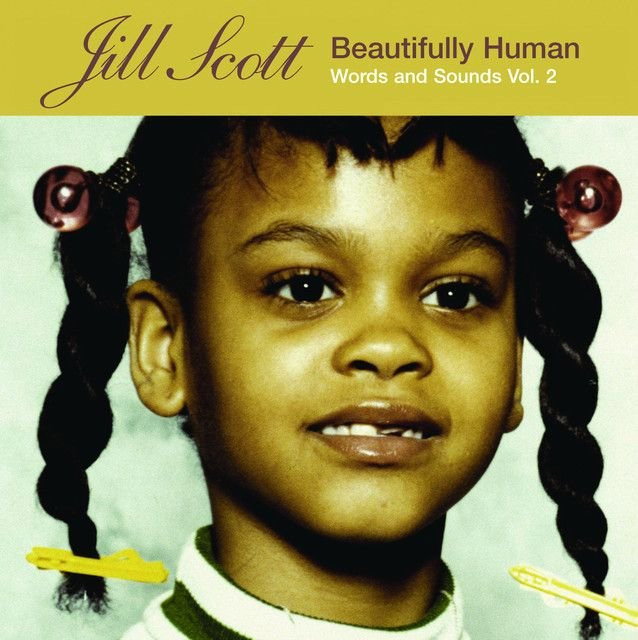
Can't Explain (42nd Street Happenstance) by Jill Scott
The meaning of Can't Explain (42nd Street Happenstance) Jill Scott centers on remorse. In this song, Jill Scott presents a narrator who admits they hurt someone loyal, then later suffered the same pain themselves. That reversal gives the track its emotional weight: this is not just an apology, but a lesson learned through experience.
"Can't Explain (42nd Street Happenstance)" - Jill Scott
While you were busy loving me, I was busy too
I played you dirty boy, did some things I shouldn't do
Loading lyrics...
Unable to load lyrics
We're unable to display the lyrics at this time. Please try again later.
Rather than defend bad behavior, the song faces it directly. The speaker knows they caused damage, and the title itself suggests a messy emotional moment that still resists neat language. The result is a soulful confession about guilt, karma, and the choice to keep believing in love after betrayal.
A Confession Before an Explanation
From the first lines, the song makes its moral position clear. The narrator says they are truly sorry
, then explains that while one partner was fully committed, they were distracted and unfaithful. That contrast matters. It sets up a painful imbalance: one person loved honestly, while the other treated that love carelessly.
The key point is that the speaker does not minimize what happened. When they admit they played you dirty
, the language is blunt and self-accusing. There is no attempt to blame youth, confusion, or the relationship itself. In plain terms, the song says some harm cannot be softened by clever wording.
That is why the chorus lands so hard. Saying I can't even begin
is not an excuse. It sounds more like emotional overload. The hurt they caused is so clear that words feel too small.

Watch the official Can't Explain (42nd Street Happenstance)
music video
Karma Turns the Story Around
The next major theme is consequence. The narrator says that when love returned later, they were the one who got burned. This is where the song moves from confession to understanding. They do not learn empathy from abstract wisdom. They learn it by living through the same kind of heartbreak.
That idea becomes explicit when the lyric points to karma's real
. The song frames heartbreak almost like a moral echo. What the speaker once sent out into the world came back to them, forcing them to feel the pain from the other side.
Interpretation: This does not mean the song celebrates punishment. It suggests that suffering gave the narrator moral clarity. They now understand what their earlier actions meant because they have felt the same wound in their own life.
The Real Message Is Growth, Not Shame
An important part of the meaning of Can't Explain (42nd Street Happenstance) Jill Scott is that remorse leads to change. After paying that emotional price, the narrator says they looked at their life and learned how to love someone properly. The song therefore moves through three stages:
- They betray someone.
- They experience similar pain.
- They choose a more ethical way to love.
That structure keeps the track from becoming pure self-pity. Yes, the speaker is hurting. But the bigger point is growth. They are trying to become worthy of the kind of love they once mishandled.
There is also a quiet spiritual note in the line about a universal plan
. Even without heavy religious language, the song suggests that actions carry consequences and that self-knowledge sometimes arrives through loss.
Why the Ending Still Believes in Love
One of the song's most moving choices comes near the end. Instead of only asking forgiveness, the narrator hopes the wounded person is okay and still open to love. That shift is crucial. The song stops focusing on the speaker's guilt and starts caring about the other person's future.
The lyric about nightmares and dreaming makes that idea especially clear:
Do you stop dreaming?Don't give up on love
These lines paraphrase into a simple message: one terrible experience should not define every future relationship. The narrator knows they may have damaged someone's trust, and that realization seems to haunt them more than their own pain.
Interpretation: This ending is not a request to be taken back. It sounds more like a wish for healing. The speaker wants the other person to keep their heart open, even if that future has nothing to do with them.
How Jill Scott's Soul Style Deepens the Meaning
Jill Scott is known for blending spoken honesty with rich neo-soul phrasing, a style heard across work associated with Who Is Jill Scott?. That context helps here. A song like this depends on emotional credibility more than dramatic plot.
The writing credit to James Poyser and Jill Scott also matters. Poyser, long associated with soulful, warm-keyboard arrangements and the broader Soulquarians orbit, often works in textures that feel intimate rather than flashy. Even without overcomplicated production details, listeners can hear how an R&B/soul setting supports the lyric's honesty. A reflective groove, patient pacing, and expressive vocal delivery make the apology feel lived-in.
Instead of sounding theatrical, the song feels conversational. That matters because the lyrics are morally direct. A heavy-handed arrangement might have made the regret feel forced. The softer soul frame lets the confession breathe.
What 42nd Street Happenstance Might Suggest
The parenthetical title adds intrigue. A “happenstance” is a chance event, so 42nd Street
may hint at a specific memory, location, or turning point tied to regret. Factually, the lyric provided does not explain the reference.
Interpretation: The phrase may symbolize one vivid scene in the narrator's emotional history, a moment they cannot forget even if they cannot fully explain it. That uncertainty fits the title well. Some mistakes become defining memories before they become understandable lessons.
The Lasting Meaning of the Song
In the end, the meaning of Can't Explain (42nd Street Happenstance) Jill Scott is about accountability with empathy. The narrator admits wrongdoing, recognizes karma, and hopes the injured person still chooses love. That makes the song sad, but not hopeless.
Its real power comes from refusing easy redemption. Sorry is said clearly, but healing is not guaranteed. The song understands that growth is real, yet it may arrive too late for the person first hurt by the mistake.
That tension is what gives the track its staying power: it is an apology, a warning, and a small prayer for healing all at once.
Disclaimer: This interpretation is based on the lyrics provided, publicly available credits, and musical context. As with many songs, listeners may hear different meanings in its details.







