
Why 'Gettin' In The Way' Still Hits
Jill Scott’s “Gettin’ In The Way” sounds playful, sharp, and a little dangerous at the same time. For many listeners, that mix is exactly why it lasts. The song is not just about jealousy. At its core, the meaning of Gettin' In The Way Jill Scott is about defending a relationship, calling out gossip, and refusing to let another person control the story.
"Gettin' In The Way" - Jill Scott
Of what I'm feeling
You're getting in the way
Loading lyrics...
Unable to load lyrics
We're unable to display the lyrics at this time. Please try again later.
Released on Scott’s debut album Who Is Jill Scott? Words and Sounds Vol. 1 in 2000, the song helped introduce their spoken, conversational style to a wider audience. That album was part of the early neo-soul wave that also included artists like Erykah Badu and D’Angelo, and it established Scott as a writer who could sound poetic without losing everyday realism.
The Real Conflict Hiding Inside the Groove
On the surface, the plot is simple. The speaker addresses another woman who keeps interfering in a current romance. She believes this outsider is spreading rumors and trying to reopen a relationship that is already over.
The chorus makes the problem plain with the repeated phrase getting in the way
. Before and after that line, the song explains that this interference is not just annoying. It threatens something the speaker feels deeply and wants to protect.
That is why the track feels bigger than a basic confrontation song. It is about emotional boundaries. Someone is trying to rewrite the truth, and the speaker pushes back hard.
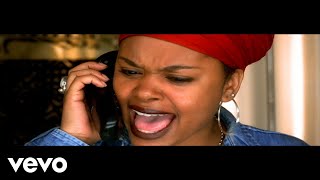
Watch the official Gettin' In The Way
music video
Who They Are Talking To—and Why It Matters
Scott frames the conflict as direct and personal. The opening address, Sista girl
, is important because it mixes familiarity with warning. It sounds casual at first, but the mood quickly changes.
The speaker tells this woman that the past relationship is over and that the man has moved on. In other words, the song is not built on uncertainty. The speaker acts convinced of her place in the relationship, which gives the verses their force.
There is also a strong sense of social drama. This is not private heartbreak happening in silence. It is public talk, rumor, and reputation. When the song mentions street-level details and accusations, it turns the argument into a community scene, where words travel fast and damage can spread.
The Chorus Turns Emotion Into a Boundary Line
The hook is so effective because it is simple. By repeating of what I'm feeling
, Scott shifts the focus from the man himself to the speaker’s inner life. That choice matters.
Interpretation: The chorus suggests that the real offense is not merely romantic competition. It is disrespect toward the speaker’s emotional truth. The outsider is not just chasing a person; she is dismissing what the relationship means.
That makes the song feel more mature than its threats might first suggest. Underneath the sharp language is a demand to be taken seriously.
Anger, Humor, and Performance in the Verses
One reason the song remains memorable is its tone. Scott does not deliver the lines in a flat, purely angry way. They move between calm explanation, comedic exaggeration, and open warning.
That shift is clearest when the speaker says I've been a lady
and then imagines losing patience. A later phrase, take my rings off
, pushes the scene toward humor and theatrical threat. The point is not only violence; it is the performance of someone reaching their limit.
You better chillback down before you get smacked down
Those lines capture the song’s most confrontational turn, but even here the delivery carries attitude as much as literal action. Scott sounds like someone venting, warning, and entertaining all at once.
How the Sound Supports the Meaning
“Gettin’ In The Way” lives in an R&B/neo-soul space, but its looseness is key to its meaning. Instead of sounding polished in a distant pop way, it feels close, lived-in, and conversational. The groove gives the song bounce, which keeps the confrontation from becoming heavy or grim.
Scott’s phrasing is central. They sing, talk, and lean into rhythm like someone telling a story to friends. That style makes the conflict feel immediate. Listeners are not hearing a polished speech; they are hearing a person work through irritation in real time.
Interpretation: The production turns tension into swagger. The warm groove says confidence, while the vocal performance says frustration. Put together, they create a song that feels less like heartbreak and more like a public reclaiming of power.
Artist Context Makes the Song Land Harder
Jill Scott built their early reputation on vivid writing, jazz-influenced phrasing, and a strong sense of Black everyday life. On Who Is Jill Scott? Words and Sounds Vol. 1, they often wrote about love in ways that felt intimate and spoken rather than idealized.
That context matters here. “Gettin’ In The Way” is not an outlier. It fits Scott’s larger gift for turning ordinary situations into rich character sketches. Even in a song about romantic conflict, they pay attention to voice, attitude, and social setting.
The writing credit provided here lists Jill Scott and Vidal Davis, and that blend makes sense artistically: Scott’s voice as a lyricist meets a groove sturdy enough to carry both melody and spoken attitude. The result is a song with crossover appeal but rooted in neo-soul storytelling.
So What Does the Song Finally Mean?
The simplest answer is that it is about telling a rival to stop interfering. But the fuller answer is more interesting. The meaning of Gettin' In The Way Jill Scott is about defending emotional truth against rumor, disrespect, and old attachments that refuse to die.
Interpretation: It can also be heard as a song about self-respect. The speaker may sound possessive, but they also sound determined not to let someone else define their relationship or peace of mind.
That mix of toughness, wit, and musical ease is why the song still connects. It gives listeners drama, but it also gives them a person drawing a line.
Disclaimer: This interpretation is based on the lyrics, recording, and public career context. As with any song, listeners may hear meanings that differ from this reading.








