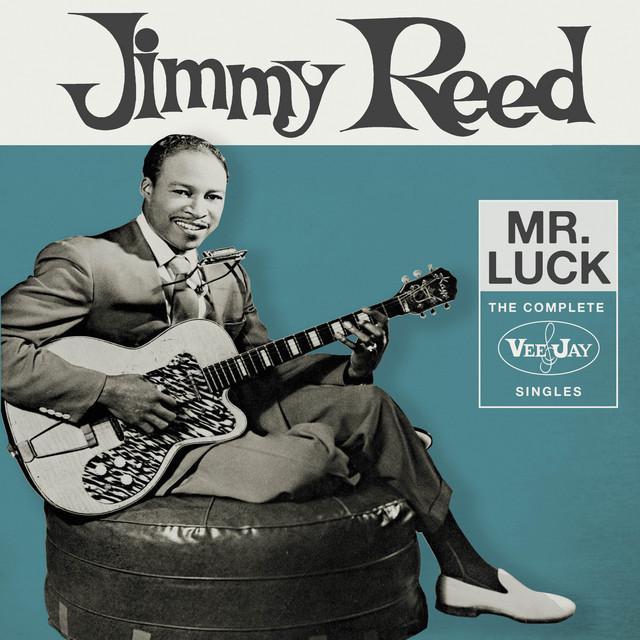
Why 'Take Out Some Insurance' Hits So Hard
The meaning of Take Out Some Insurance Jimmy Reed starts with a joke, but it does not stay there. On the surface, the song sounds playful. The singer tells a lover to insure him in case she leaves, as if heartbreak were a financial risk. That setup is witty and memorable.
"Take Out Some Insurance" - Jimmy Reed
That would be the end of me, 'cause I'd have a heart attack
You better get some insurance on me, baby, take out some insurance on me, baby
Loading lyrics...
Unable to load lyrics
We're unable to display the lyrics at this time. Please try again later.
But under the humor, the song is about emotional dependence, fear of abandonment, and the way blues songs often turn pain into a line people can smile at. Jimmy Reed delivers the idea in a relaxed, sly style, which makes the threat of heartbreak feel both real and performative at once.
A Blues Joke With Real Stakes
At its core, the song presents a lover who feels so attached that a breakup seems fatal. The title phrase, take out some insurance
, turns romance into a business arrangement. That is funny because love is not supposed to work that way.
Still, the joke reveals something serious. The singer says that if the relationship ends, it would be the end of me
. That exaggeration is common in blues writing, where strong emotion is pushed to its limit. The point is not literal death. The point is that separation feels unbearable.
This mix of comedy and desperation is the song's engine. It lets listeners enjoy the cleverness while also hearing the panic beneath it.
Watch the official Take Out Some Insurance
music video
Who Is Speaking, and What Do They Want?
The narrator speaks directly to a partner and tries to control the future with language. They cannot stop the other person from leaving, so they create a dramatic speech around that fear. In effect, they are saying: if love is unstable, at least admit how much power you have over me.
That idea appears in the repeated warning about saying goodbye. The line say goodbye
is simple, but in the song it carries huge weight. A small act of speech becomes a life-changing event.
Love as Dependency
Interpretation: One strong reading is that the song is not just about romance. It is about dependency dressed up as devotion. The narrator does not describe a balanced bond. They describe a state in which the beloved holds the key to survival.
That is why the song can feel sweet and unsettling at the same time. Its charm comes from the playful wording, but its emotional logic is extreme.
How the Verses Build the Theme
Each verse pushes the same central idea from a slightly different angle:
- The beloved might leave.
- The narrator claims they could not survive it.
- Insurance becomes the comic solution.
- Jealousy and possessiveness deepen the fear.
The later verse about being healthy adds another smart twist. The singer says they do not need regular coverage because they are physically fine. What they need protection from is heartbreak. In other words, the real illness is emotional.
There is also a jealous edge when the narrator imagines the lover giving affection to someone else. That shifts the song from simple pleading into rivalry and insecurity. The fear is not only loss. It is replacement.
Why the Hook Is So Memorable
The chorus works because it is absurdly practical about something impossible to secure. People can insure a car, a house, or a life, but not loyalty. By pretending they can, the song exposes how helpless the narrator really is.
That is the key to the meaning of Take Out Some Insurance Jimmy Reed. The hook sounds confident, yet it is built on weakness. The singer talks big, but they are really confessing that they have no control over love.
insurance on me, baby
if you ever say goodbye
Those lines sum up the song's central tension: a comic request wrapped around a deep fear of abandonment.
Jimmy Reed's Style Makes It Land
Jimmy Reed was one of the most influential electric blues artists of his era, known for lean grooves, conversational singing, and a hypnotic feel that later shaped rock and roll. The Rock & Roll Hall of Fame notes his major influence on artists across blues and rock.
That matters here because Reed does not oversing the material. He lets the rhythm do part of the storytelling. The steady shuffle, relaxed tempo, and understated delivery make the song sound casual even when the words are dramatic.
Sound and Meaning Working Together
The arrangement supports the lyric's push-pull mood:
- A rolling blues rhythm keeps things light on the surface.
- Reed's voice sounds intimate, not theatrical.
- The groove repeats like a worried thought that will not go away.
- The overall feel is easygoing, which makes the emotional panic more interesting.
This contrast is one reason the song lasts. If it were sung too heavily, it might feel melodramatic. Reed's cool delivery gives the humor room to breathe.
Songwriting Context Matters Too
The song was written by Jesse Albert Stone, a major songwriter and arranger whose work helped shape rhythm and blues. The Songwriters Hall of Fame credits Stone with a huge impact on postwar popular music.
Knowing that helps explain the song's craft. The premise is sharp, simple, and built for repetition. It takes an ordinary fear and gives it a surprising image. That is classic strong songwriting: one idea, instantly clear, with enough emotional truth to keep it from becoming a novelty.
Final Take: Funny, Fragile, and Very Human
In the end, the meaning of Take Out Some Insurance Jimmy Reed is about how people use humor when they feel powerless in love. The singer jokes about paperwork and policies, but what they really want is reassurance. They want a promise that the relationship will last.
Interpretation: The song can be heard as both a flirtatious plea and a portrait of emotional imbalance. Either way, it turns private fear into a memorable blues line.
That is why it still works. It understands that heartbreak often sounds strange when people try to speak it out loud.
Disclaimer: This interpretation is based on the lyrics, performance, and available historical context. As with many blues songs, meanings can remain open to more than one reading.








