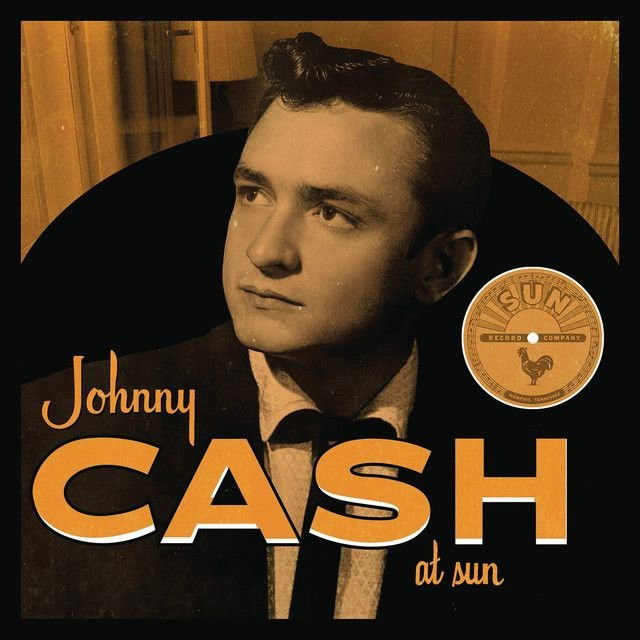
Big River by Johnny Cash
The meaning of Big River Johnny Cash starts with a simple country story: a man gets left behind and cannot let go. But the song becomes much bigger than a breakup. Johnny Cash turns heartbreak into a journey down the Mississippi, using cities, motion, and the river itself to show how grief keeps moving even when the singer feels stuck.
"Big River" - Johnny Cash
And I showed the clouds how to cover up a clear blue sky.
And the tears that I cried for that woman are gonna flood you Big River.
Loading lyrics...
Unable to load lyrics
We're unable to display the lyrics at this time. Please try again later.
Released by Sun Records in 1958, “Big River” was written and originally recorded by Cash. It became a major early hit, reaching No. 4 on the U.S. country chart and No. 14 on the pop chart, according to Wikipedia. That crossover success makes sense: it is catchy, fast, and vivid, but it also carries real emotional weight.
A Chase Song Hiding a Heartbreak Song
On the surface, the plot is easy to follow. The narrator meets a woman, loses her, then tracks her path from St. Paul downriver through places like St. Louis, Memphis, Baton Rouge, and New Orleans. The song keeps moving south, and that movement gives it a restless energy.
Under that travel story, though, is a man trying to outrun his own pain. He is not just following her. He is following the moment before he lost her, hoping geography might fix what emotion cannot. That is why the song feels both adventurous and trapped at the same time.
Cash opens with oversized sorrow. The singer claims he taught the willow to cry and showed clouds how to hide the sky. Those images make his sadness sound almost mythic. When he says weeping willow
and clear blue sky
, he is not being literal. He is turning private pain into something as large as weather.

Watch the official Big River
music video
The River Is More Than a Setting
The Mississippi is the song's backbone, but it also works as a symbol. Rivers suggest time, fate, and motion. This one keeps carrying the woman away while the narrator keeps chasing behind.
That is why the title matters so much. The river is almost treated like a rival, a witness, and a force of nature all at once. In one line, the singer admits she loves Big River
more than him. Paraphrased, that means she chooses freedom, distance, or movement over the relationship he wants.
Interpretation: the river may represent more than one thing:
- the American road, or in this case waterway
- a woman who cannot be pinned down
- the flow of life that does not stop for heartbreak
This gives the song a classic Cash tension: the narrator sounds tough, but the world around him is stronger.
How the Place Names Build Meaning
One reason the song remains so memorable is its map-like structure. Cash names real cities in order, and each stop feels like another emotional setback. The search is detailed enough to feel true, but fast enough to feel obsessive.
The lyrics even make room for playful language. The phrase cavortin' in Davenport
is witty and musical, but it also stings. The woman is imagined as lively and moving on, while the narrator is left reacting to rumors and traces.
American Songwriter notes that the track doubles as a kind of Mississippi geography lesson, while praising Luther Perkins' signature guitar part and Cash's narrative skill. That matters because the place names are not random decoration. They create a rolling line of disappointment. Every city promises closure and delivers another absence.
Then you took me to St. Louis
she's been here but she's gone
That brief moment captures the whole pattern. He arrives too late, hears secondhand news, and keeps moving. The chase never becomes a reunion. It becomes a habit.
Why the Chorus Hits So Hard
The refrain returns to the opening storm imagery and ends with a dark image of waiting forever. It is dramatic, almost exaggerated, and that is exactly why it works. The narrator wants his sadness to feel as large as the river itself.
When he suggests his tears could flood the river, Cash blends sorrow with bravado. The line is wounded, but it is also proud. He cannot win her back, so he makes his grief sound legendary.
Interpretation: this is part of the song's charm. The narrator is not calm or reflective. He is theatrical, impulsive, and young in his pain. That gives “Big River” its mix of humor and hurt.
The Sound Makes the Story Move
Musically, “Big River” helps explain why Cash's Sun era mattered so much. The recording is lean and propulsive, shaped by rockabilly drive and country storytelling. Producers on the original release included Sam Phillips, Jack Clement, and Johnny Cash, per American Songwriter.
Luther Perkins' guitar riff is central to the song's meaning. It has a clipped, chugging feel, like wheels turning or current pushing forward. Meanwhile, Cash's voice stays steady and low, which makes the narrator seem determined even when the words reveal desperation.
That contrast is key. The arrangement sounds in control; the character is not. The band glides forward while the singer keeps reporting emotional failure. This gap between cool sound and hot feeling is a big reason the record still feels fresh.
Context, Legacy, and Lasting Meaning
“Big River” sits in a strong early run of Cash songs that helped define his image: spare, rhythmic, vivid, and deeply American. It is also one of his most cinematic compositions. Rosanne Cash once called it “American poetry” in comments quoted by American Songwriter, praising its layered, traveling narrative.
Its long afterlife supports that view. The song has been widely covered, and the Grateful Dead reportedly played it hundreds of times live. That kind of durability suggests the track offers more than period charm. It gives listeners a clear story, a moving groove, and emotional ideas that travel well.
So what is the meaning of Big River Johnny Cash? At heart, it is about chasing what is already gone. The river keeps flowing, the woman keeps moving, and the narrator keeps trying to turn loss into motion. Cash makes that cycle sound exciting, sad, and a little self-destructive all at once.
Disclaimer: Song meaning can be interpretive. This article separates documented context from informed reading, and other listeners may hear the song differently.








