Why "Everything I Am" Still Hits So Hard
The heart of the song in one idea
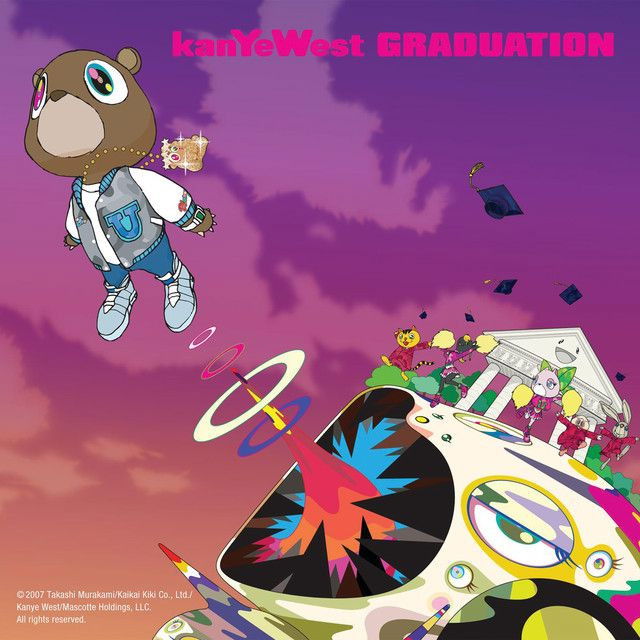
The meaning of Everything I Am Kanye West, DJ Premier centers on self-definition through rejection. On the surface, the song sounds like a personal statement from Kanye West on Graduation, released in 2007. But its core message is broader: people become themselves partly because they do not fit the image others want.
"Everything I Am" - Kanye West ft. DJ Premier
Here we go again
Common passed on this beat, I made it to a jam
Loading lyrics...
Unable to load lyrics
We're unable to display the lyrics at this time. Please try again later.
That is why the hook matters so much. When West repeats everything I'm not
, he turns criticism into identity. Instead of trying to become cooler, smoother, or more acceptable, they present flaws, awkwardness, and public backlash as the raw material of selfhood.
West himself described the refrain as a kind of universal message that could apply even to a schoolgirl being picked on, according to reporting summarized by Wikipedia. That context helps explain why the song feels both intimate and wide-reaching.
Watch the official Everything I Am
music video
A rap song about refusing the costume
One of the song's smartest moves is that it lists all the things the speaker will never be. They will not be glamorous, effortlessly cool, or neatly marketable. Early lines compare West to other public figures, but the point is not simple name-dropping. It is a map of expectations.
When they say picture-perfect Beyoncé
, the song is not attacking Beyoncé. It is showing how impossible celebrity standards can feel. The same goes for fashion references and comments about image. West is saying that hip-hop, fame, and even fans often demand a performance of authenticity that is still a performance.
Interpretation: the track argues that fake confidence is its own trap. The line about a fake-ass façade
points to people building an image they cannot maintain. In that sense, the song is less about ego than relief. They would rather be exposed than pretend.
How the verses build that message
The song unfolds in three big steps:
- Self-comparison: West measures himself against other stars and styles.
- Public backlash: they talk about critics, barbershop talk, and the feeling of being judged from all sides.
- Social reality: the final verse widens from celebrity pressure to violence, money stress, and spiritual exhaustion in Chicago.
That last move is what gives the song weight. It is not only about a famous person feeling misunderstood. It becomes a critique of a culture that rewards spectacle but avoids pain. West points out that violent talk can sound exciting in rap, while real death in the city is devastating.
Chicago had over six hundred casketsMan, killing's some wack shit
Those lines are brief, but they shift the song from self-analysis to moral witness. They imply that identity is shaped not only by gossip and fame, but also by the city around them.
Why DJ Premier matters to the meaning
DJ Premier does not just decorate this track. Their scratches help define its emotional texture. According to the song's production history summarized by Wikipedia, this was the first collaboration between West and Premier, and Premier recorded multiple scratching patterns for West to choose from.
That matters because the song is built on restraint. Instead of a huge stadium beat, Graduation pauses for something sparse and reflective here. The production uses a soft piano-based loop drawn from Prince Phillip Mitchell's "If We Can't Be Lovers," plus elements from Public Enemy's "Bring the Noise," with Rhodes, bass, and strings adding warmth. Critics at the time praised Premier's scratches and the song's self-examination, also noted in the reception history at Wikipedia.
Interpretation: Premier's cuts sound like thought interruptions. They give the hook a classic hip-hop feel, but they also make the song feel unsettled, like a mind arguing with itself. That fits a track about identity under pressure.
The Common line says a lot too
The opening mention that Common passed on this beat
is easy to hear as trivia, but it has meaning. West presents the beat as something discarded by one artist and transformed by another. That mirrors the whole theme: what gets rejected can still become valuable.
So even the beat's origin becomes symbolic. A passed-over instrumental becomes one of the most reflective songs on Graduation. In a subtle way, the track lives out its own thesis.
A song caught between confidence and insecurity
What makes "Everything I Am" endure is that it never fully resolves its tension. West sounds proud, wounded, funny, defensive, and sincere all at once. They joke about awards, money, and public image, but underneath is a person trying to find a stable self in unstable conditions.
That is why the chorus lands. Here we go again
sounds tired, not triumphant. It suggests that judgment is constant. The answer is not to defeat criticism forever, but to stop letting it dictate identity.
Why listeners still connect with it
The song was never the biggest hit from Graduation, but it has had long life. It was certified Platinum by the RIAA in 2023, as listed in the song's certification history at Wikipedia. Its hook also became memorable far beyond the album, partly because it turns a personal insecurity into a simple statement of survival.
For many listeners, that is the real meaning of Everything I Am Kanye West, DJ Premier: a reminder that difference, awkwardness, and even rejection can become identity instead of shame. It is a rap song about refusing to wear a mask, even when the mask might make life easier.
Final takeaway
"Everything I Am" works because it joins confession to craft. The lyrics reject false perfection, the production leaves space for reflection, and DJ Premier's scratches keep the song grounded in hip-hop history.
Interpretation: its deepest message is that people do not become themselves by meeting every expectation. They become themselves by surviving the gap between who they are and who others wanted them to be.
Disclaimer: This interpretation is based on the song's lyrics, documented background, and public reception. As with any art, listeners may hear different meanings.








