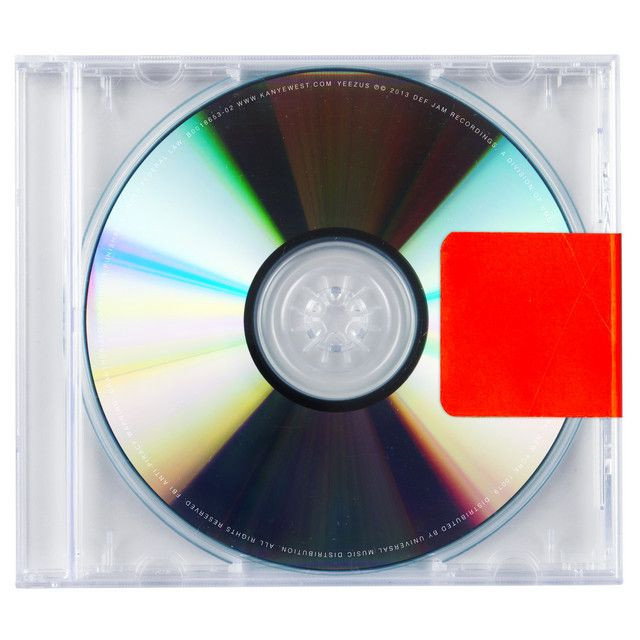
Why ‘New Slaves’ Is Kanye West’s Harshest Protest
The core idea behind the anger
For listeners searching for the meaning of New Slaves Kanye West, the song is best understood as a protest track about modern control. On Yeezus, released in 2013, Kanye West turns away from luxury-rap celebration and argues that racism did not vanish; it changed form. In this song, they describe a world where consumer culture, corporate power, and the prison system can trap Black people in new ways.
"New Slaves" - Kanye West
Clean water was only served to the fairer skin
Doing clothes you would have thought I had help
Loading lyrics...
Unable to load lyrics
We're unable to display the lyrics at this time. Please try again later.
That is the force of the title. The phrase new slaves
does not describe literal slavery. It points to a system where people are pushed to buy status, sign bad deals, and live under institutions that profit from their limits. Interpretation: West frames wealth itself as a trick when it does not bring freedom.
Watch the official New Slaves
music video
How the verses build that message
The opening verse starts with family history. West connects their mother’s generation to segregation and then jumps to the present. The point is that old racism was open and direct, while modern racism often hides behind class, branding, and manners.
When they contrast poor-store suspicion with rich-store welcome, the song shows two faces of the same system. One form says do not touch. The other says please spend. Both reduce a person to a stereotype. The brief phrase all the same things
matters because it exposes how marketing flattens identity into buying habits.
The song then widens its target. West criticizes how status symbols can become bait. Designer labels, luxury cars, and image are presented as rewards, but the song suggests they can also be distractions from real power. Interpretation: their anger is not simply anti-wealth. It is anti-wealth-as-control.
A song about prisons, business, and power
One reason “New Slaves” stands out is that it moves from personal insult to structural critique. West directly references the drug war and private prisons, arguing that incarceration is tied to profit. That idea was part of wider public debate in the 2010s, and the lyric about trying to make new slaves
makes the argument blunt.
This is also where the song becomes bigger than celebrity grievance. West does rap about contracts, media framing, and people trying to control them. But those complaints sit next to a larger claim: systems of power want obedience from artists and ordinary people alike.
In a 2014 GQ interview, West said they kept hearing Stay in your place
and called Yeezus a protest in music
. That context helps explain the song’s tone. It is not polished persuasion. It is confrontation.
The hook turns protest into warning
Unlike a traditional pop chorus, the repeating line feels more like a slogan or alarm. The hook keeps returning to the same idea until it sounds inescapable. That repetition matters because the song is arguing that the problem is not one bad moment. It is a condition.
I know that we the new slaves
I see the blood on the leaves
Those two short lines connect economic control to historical violence. The image of blood pushes the song beyond shopping and fame. It reminds listeners that exploitation has a human cost. Interpretation: the song suggests modern systems may look cleaner than the past, but they still carry the stain of it.
Why the sound feels so hostile
The production is a huge part of the meaning of New Slaves Kanye West. According to widely cited credits, the track was produced by West with co-production from Benjamin Bronfman and additional production from Mike Dean, Noah Goldstein, Travis Scott, Sham Joseph, and Che Pope. Frank Ocean provides additional vocals on the outro.
Musically, the first part is cold and stripped down. The beat uses pulsing synths, harsh textures, and a stiff rhythm that feels locked in place. That mechanical pressure mirrors the lyric’s theme of systems, control, and confinement.
Then the song shifts. The outro opens into a more floating, almost spiritual sound, helped by the Omega sample and Frank Ocean’s distant vocal layers. It does not feel happy, exactly. It feels like a brief look at release. Interpretation: after all the rage, the ending sounds like a dream of escape that the rest of the song keeps denying.
Context makes the message stronger
“New Slaves” was first unveiled through large video projections on buildings in cities around the world before Yeezus arrived on June 18, 2013. That rollout mattered. Instead of a normal radio-first launch, West used public walls, turning the song into a literal street-level statement.
Critics largely recognized its force. Reviews praised its urgency and abrasive style, and the track later earned a Grammy nomination for Best Rap Song. It also became one of the defining songs of the Yeezus era because it fused politics, ego, and sound design so sharply.
That mix is why the song still divides listeners. Some hear a powerful critique of racism and capitalism. Others think the song muddies that message with bragging, insults, and shock value. Both reactions are fair. The song is intentionally messy because it wants to sound trapped inside the very culture it attacks.
The lasting meaning of “New Slaves”
At its strongest, “New Slaves” argues that oppression survives by adapting. It moves from the store to the contract, from the ad to the prison, from the past to the present. West’s point is that freedom cannot be measured only by access to luxury.
That is the lasting meaning of New Slaves Kanye West: they are warning that buying power is not the same as real power. The song’s fury comes from seeing that difference clearly and refusing to stay quiet about it.
Disclaimer: This article offers informed interpretation based on the lyrics, artist comments, and public reporting. Song meanings can remain open to multiple readings.









