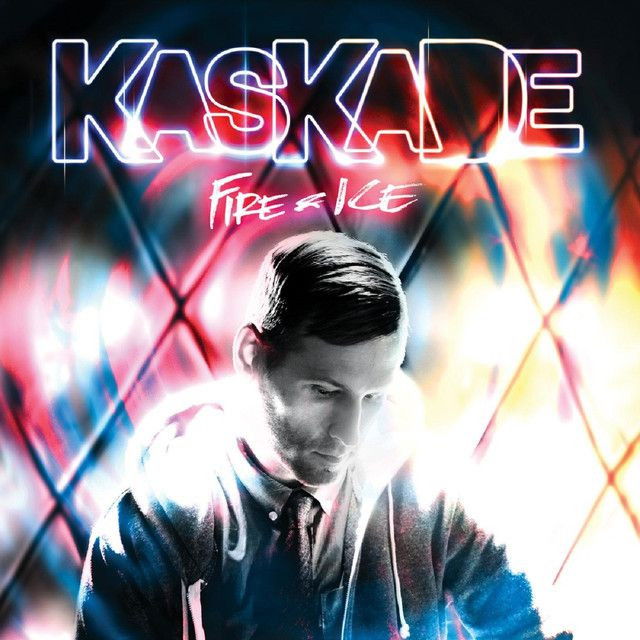
Turn It Down by Kaskade, Rebecca & Fiona
A Dance Track About Hurt, Not Escape
The meaning of Turn It Down Kaskade, Rebecca & Fiona centers on emotional intensity that has gone too far. On the surface, it is a sleek electronic song built for movement. Under that surface, it sounds like a plea from someone whose heart is being pushed past its limit.
"Turn It Down" - Kaskade, Rebecca & Fiona
Adore to see your eyes fly
I hold my breath when I hear lies
Loading lyrics...
Unable to load lyrics
We're unable to display the lyrics at this time. Please try again later.
Rather than celebrating romance, the song shows what happens when desire, dishonesty, and pressure all hit at once. The repeated request to turn it down
is not just about volume. It is about reducing emotional damage before love becomes unbearable.

Watch the official Turn It Down
music video
The Core Story Beneath the Beat
The lyrics describe a speaker reacting to lies, denial, and unstable feelings. Early lines connect breath, sight, and confusion, suggesting that this relationship affects the body as much as the mind. When they mention hear lies
and becoming color-blind
, the song paints a state of emotional disorientation.
That matters because the song never sounds detached. It sounds immediate and physical. The image about there being no time to let the blood dry
suggests hurt that is still fresh. The relationship keeps causing new wounds before older ones can heal.
Interpretation: This is less a breakup narrative than a snapshot of someone trapped in a cycle. They are aware of the harm, but they are still close enough to feel every blow in real time.
Who They Seem to Be Addressing
The song appears to speak directly to a lover whose actions are overwhelming. The line about the other person running my heart
implies control, speed, and carelessness all at once. The speaker seems to feel handled rather than held.
That makes the chorus especially important. The request is not vague. It sounds like a boundary. They are asking the other person to look at the effect of their behavior before making things louder, harsher, or more intense.
Look before you make your beat loud
Can you turn it down
In plain terms, they want the other person to slow down and recognize the damage they are causing.
How the Verses Build the Theme
The first verse focuses on reaction. Lies trigger held breath. Denial changes vision. This creates a theme of anxiety, where dishonesty does not just disappoint the speaker but throws off their whole sense of reality.
The second verse shifts toward self-awareness. When the song says Illusions fade
, it suggests that fantasy can no longer hide what is happening. Feelings are rising, and the speaker can no longer suppress them fully, even if they still try to push them down.
This structure is effective because it moves from shock to recognition. At first, they are stunned by the partner's behavior. Then they start to understand that the relationship has been built on unstable ground.
Why the Chorus Hits So Hard
In many dance songs, repetition creates release. Here, repetition creates pressure. Each return to turn it down
sounds more desperate than the last, as if the speaker keeps asking because the message has not been heard.
That repetition mirrors the emotional cycle in the song. Pain repeats. Conflict repeats. The plea repeats. The hook becomes a sign that the relationship is stuck in a loop.
Interpretation: The title phrase may also reflect the contradiction at the heart of the track. The music is built to fill a room, but the lyric asks for less intensity. That tension is likely intentional, making the song feel both public and private at the same time.
Sound, Production, and Artist Context
Kaskade built much of his reputation on emotionally open electronic music, often pairing club-ready production with vulnerable vocals. His catalog, including the album Fire & Ice, often blurs the line between dance-floor lift and personal confession.
Rebecca & Fiona, the Swedish duo featured here, are known for combining cool electronic style with sharp emotional framing, as heard across their work and public profile at Rebecca & Fiona. Their delivery helps this song avoid sounding generic. The vocals feel controlled, but not cold.
Production-wise, the beat gives the song a steady pulse that resembles a racing heart. The synth layers are polished and bright, yet the lyric imagery is darker. That contrast is the point. The track sounds like a night out, while the words describe the emotional cost hiding inside that scene.
Symbols That Carry the Meaning
Several recurring images deepen the song's emotional world:
- Breath: stress, fear, and waiting for the next hurt.
- Sight and color: confusion, denial, and not seeing clearly.
- Blood: pain that is immediate, not healed.
- Volume and beat: emotional force, conflict, and overstimulation.
- Illusions: the collapse of denial when real feeling takes over.
Together, these motifs suggest a relationship that is both intoxicating and damaging.
One More Way to Read It
There is also a broader reading of the meaning of Turn It Down Kaskade, Rebecca & Fiona. Instead of addressing only a lover, the song could describe life inside a loud nightlife culture where stimulation, attraction, and emotional confusion blur together. In that view, the speaker is asking not just one person but the whole atmosphere to ease up.
That reading fits the club production, though the direct emotional language keeps the song grounded in relationship drama first.
The Lasting Takeaway
What makes this song memorable is its split personality. It moves like a dance anthem, but it feels like a warning flare from someone near emotional burnout. Their request is simple, but it carries a lot: be honest, be careful, and stop turning pain into noise.
That is the strongest meaning of Turn It Down Kaskade, Rebecca & Fiona. It is a song about wanting love without chaos, connection without damage, and silence just long enough to heal.
Disclaimer: This article offers an interpretation based on the lyrics, credited artists, and production context. Songs can support more than one valid reading.








