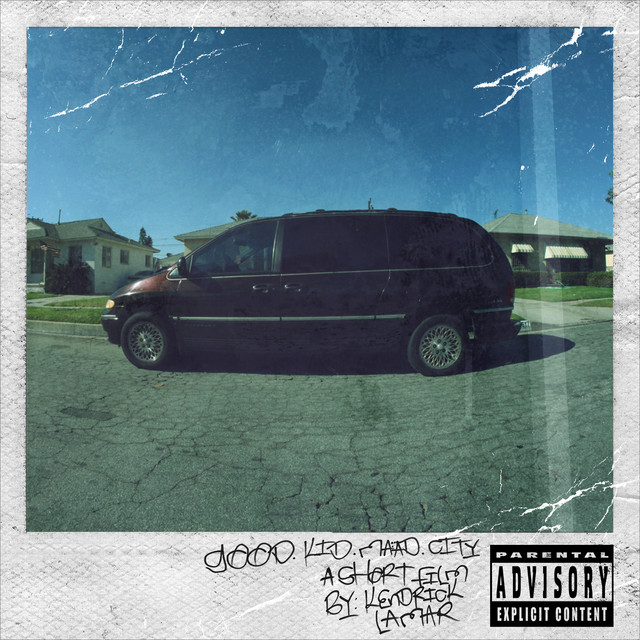
Real by Kendrick Lamar, Anna Wise
Why This Song Matters in Kendrick’s Story
The meaning of Real Kendrick Lamar, Anna Wise centers on a hard question: what makes a person truly real? On the surface, the song sounds affirming. The hook repeats I'm real
like a statement of confidence. But the verses keep challenging that claim.
"Real" - Kendrick Lamar, Anna Wise
I say what I wanna say
When I feel, and I
Loading lyrics...
Unable to load lyrics
We're unable to display the lyrics at this time. Please try again later.
That tension is the point. On good kid, m.A.A.d city, Kendrick Lamar builds a coming-of-age story around temptation, violence, pressure, and survival. "Real" appears near the end of that album, released in 2012, and it works like a moral checkpoint before the final redemption of the record. According to the album credits and song references, Anna Wise is the featured vocalist, and Terrace Martin is credited as a writer and producer on the track. Those facts are reflected in album documentation and song databases such as Interscope's album materials and song reference pages.

Watch the official Real
music video
The Core Meaning: Self-Love Before Status
At its heart, the song argues that self-love must come before romance, money, image, or street respect. Kendrick addresses different people in the verses, but the message stays the same. A person can chase luxury, desire, loyalty, control, or reputation, yet still feel empty.
The key question arrives again and again in paraphrased form: how can someone claim to love anything if they do not love themselves first? That idea gives the song its emotional center. When the hook returns, it no longer sounds like simple bragging. It sounds like a goal they are trying to earn.
Interpretation: the song is not just saying “be authentic.” It is saying authenticity starts with inner honesty. If someone is performing confidence while hiding pain, they may not be “real” yet in the deeper sense Kendrick means.
Three Audiences, One Mirror
One smart part of the writing is how the verses widen the target.
The first verse: love and image
Kendrick seems to speak to a woman drawn to romance, beauty, and symbols of success. He lists tastes and desires, then undercuts them by asking whether any of it matters without self-respect. The line of thought is not anti-love or anti-style. It is anti-dependence.
The second verse: masculinity and control
Next, they turn toward a male figure attached to fast living, toughness, and power. This person loves the streets, status, and command over others. But once more, Kendrick asks whether those things mean anything without inner value. That move broadens the song beyond one relationship. It becomes a critique of social roles.
The third verse: Kendrick himself
Then the song folds inward. Kendrick admits he shares the same flaws. He says, in effect, that he knows these people because he is them. That confession is crucial. The song stops sounding like judgment and starts sounding like self-examination.
Real is responsibility
Real is God
This short spoken section gives the clearest definition in the whole track. “Real” is not violence, ego, or domination. It means accountability, family duty, and spiritual grounding.
How the Hook Changes Meaning
Anna Wise's chorus is simple, bright, and almost mantra-like. Early on, look in the mirror
suggests self-recognition. By the end, that same image carries more weight. Looking in the mirror is no longer about liking one’s reflection. It is about facing the truth.
The repeated phrase before you know it, everything's gone
adds urgency. Life is fragile. Youth, reputation, even survival can vanish quickly. In the world of this album, that is not abstract philosophy. It is daily reality.
Interpretation: the chorus works like a positive affirmation that the verses keep testing. Every return to the hook asks whether the speaker has actually grown into the words.
The Phone Calls That Reframe the Song
Late in the track, voicemail messages from Kendrick's parents shift the emotional ground. Their voices are warm, funny, practical, and loving. His mother talks about everyday concerns, then pushes him to take music seriously. His father and mother together represent home, consequence, and care.
These messages connect "Real" to the larger narrative of good kid, m.A.A.d city. The album often shows chaos outside the home. Here, family gives a different definition of manhood. Not dominance, but purpose. Not image, but responsibility.
One final parental message asks him to return wiser and speak to younger kids in Compton. That turns the song outward again. Being real is not only personal healing. It is using hard-earned truth to help others.
How the Sound Supports the Message
Terrace Martin's production helps the meaning land. The track is smoother and warmer than many of the album's darker moments. Its soft groove, relaxed tempo, and soulful texture create room for reflection rather than panic. Anna Wise's airy vocal tone gives the hook a tender, almost cleansing quality.
That matters because the song is dealing with shame, pride, and identity. A harsher beat might have turned the message into scolding. Instead, the music feels patient. It invites confession.
There is also a strong contrast between the calm arrangement and the heavy subject matter. That contrast mirrors the song's message: a person may sound composed while struggling deeply inside.
A Bigger Reading of “Real”
The meaning of Real Kendrick Lamar, Anna Wise also fits the album's broader themes of Black identity, social pressure, and survival in Compton. Kendrick questions the cultural myths around what makes a man valid. Money? Fearlessness? Sexual success? Street credibility? The song rejects all of those as final answers.
Instead, it points toward a more demanding standard: honesty, care for family, self-knowledge, and moral growth. That is why the song can feel less flashy than other Kendrick tracks yet remain essential. It is one of the clearest thesis statements on the album.
Final Take
"Real" is about stripping away fake definitions of worth. Through romance, street life, self-critique, and family guidance, Kendrick and Anna Wise turn a simple hook into a serious moral question.
For many listeners, that is why the song lasts. It does not ask whether someone looks real. It asks whether they can live truthfully when nobody is cheering.
Disclaimer: This interpretation is based on the song's lyrics, album context, and publicly available credits. As with any art, listeners may hear different meanings.








