Why ‘I Talk to the Wind’ Still Feels So Alone
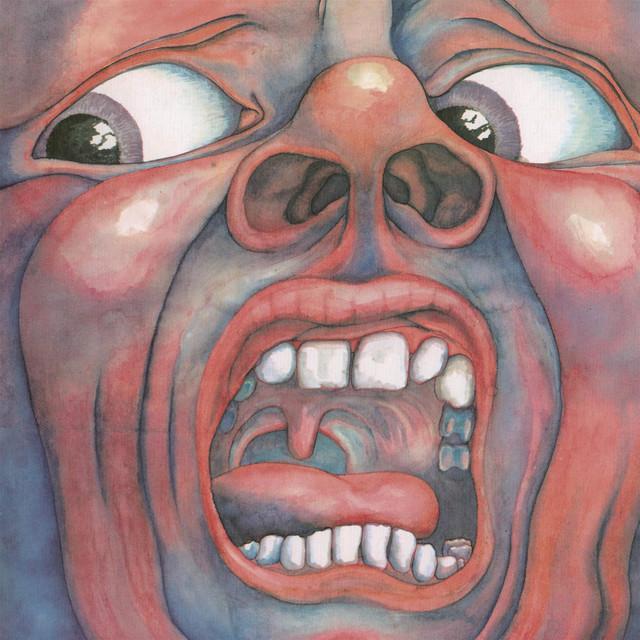
The meaning of I Talk To The Wind King Crimson comes down to a painful, simple idea: trying to speak, trying to reach someone, and feeling that nothing lands. On King Crimson’s 1969 debut album In the Court of the Crimson King, this song arrives like a deep breath after the chaos of the opening track. According to widely cited album information, it is the second track on the record, released in 1969, and features a notably gentle, flute-led arrangement.
"I Talk To The Wind" - King Crimson
Where have you been?
I've been here and I've been there
Loading lyrics...
Unable to load lyrics
We're unable to display the lyrics at this time. Please try again later.
A Quiet Song About Not Being Heard
At its core, the song presents a speaker who feels detached from the world around them. They are not just alone; they seem unable to make contact. The repeated image of I talk to the wind
turns communication into something futile. The wind carries words away, but it does not answer.
That makes the chorus more than a pretty image. It suggests that the speaker’s thoughts vanish into open air. Even when they speak clearly, nobody truly listens. The line my words are all carried away
gives that feeling a physical form: language itself becomes scattered and lost.

Watch the official I Talk To The Wind
music video
The Outsider at the Center
Another key to the meaning of I Talk To The Wind by King Crimson is the speaker’s position as an observer. When they describe being on the outside looking inside
, the song frames alienation as both emotional and social. They can see the world, but they do not feel part of it.
The next thought deepens that divide. The speaker sees confusion and disappointment everywhere, suggesting a world that feels unstable or hollow. In that sense, the song is not only personal. It also reflects a broader loss of faith in other people, institutions, or social rules.
A small story inside the lyrics
The opening exchange between the so-called straight man
and late man
hints at a clash of identities. One figure sounds conventional, orderly, maybe judgmental. The other sounds drifting, hard to pin down, moving between places and states of mind.
Interpretation: many listeners hear this as a late-1960s contrast between mainstream society and a more countercultural, free-floating self. That reading fits the era, but the song keeps things open enough that the exchange can also stand for any mismatch between people who simply do not understand each other.
What the Chorus Really Means
The chorus is short, but it does almost all of the song’s emotional work. Instead of arguing with the world, the speaker gives up on the hope of being heard. The phrase the wind cannot hear
is blunt and devastating because it removes any chance of reply.
I talk to the wind
The wind does not hear
The wind cannot hear
Paraphrased, the idea is that the speaker keeps sending their feelings outward, but they are addressing something incapable of understanding. That is why the song feels sad without becoming dramatic. It is resignation, not explosion.
Resistance, Frustration, and a Need for Space
In the third verse, the song shifts from sadness to pushback. The speaker rejects being shaped by others, saying they cannot be owned, impressed, or directed. The complaint is not only that others fail to hear them. It is also that others try to define them.
This matters because it adds tension to the song’s calm surface. The speaker is not passive in every sense. They resist pressure, control, and wasted time. Interpretation: the song can be heard as both a portrait of loneliness and a defense of personal freedom.
Why the Sound Matters So Much
Part of what makes this track enduring is how strongly its arrangement supports the lyric. The recording is known for Ian McDonald’s flute, along with clarinet, reed organ, and piano textures, while Greg Lake delivers the lead vocal and the band produced the album version. That instrumentation gives the song a pastoral, almost weightless mood.
The contrast is crucial. The debut album opens with the violent, jagged energy of “21st Century Schizoid Man,” then moves into this serene drift. The effect makes “I Talk to the Wind” feel even more vulnerable. It is not loud alienation; it is soft alienation.
The flute especially matters. It moves like air, which mirrors the lyric’s central image. Instead of pushing against the words, the arrangement seems to carry them away. That is why the song’s beauty and its sadness are inseparable.
Context Inside King Crimson’s Debut
Historically, the song belongs to a landmark album often treated as one of early progressive rock’s defining statements. It was recorded in 1969 and issued on In the Court of the Crimson King. Earlier versions also existed before the final album take, showing that the song had a life before the canonical recording.
That history helps explain why the song feels so refined yet delicate. It sits at the gentler edge of King Crimson’s early sound: less apocalyptic than some of their famous material, but just as emotionally sharp.
Final Take on the Song’s Meaning
So, what is the meaning of I Talk To The Wind King Crimson? Most simply, it is about the pain of speaking into emptiness. More deeply, it is about being an outsider, rejecting control, and living with the fear that understanding may never come.
Its power comes from how lightly it says all that. The song does not force one single explanation. Interpretation: listeners may hear loneliness, social estrangement, or even a quiet spiritual crisis. Those readings can all fit because the song leaves room for them.
Disclaimer: This interpretation is based on the lyrics, recording context, and documented song history. Like many King Crimson songs, its meaning remains partly open to the listener.







