Why Lana Del Rey’s “Lucky Ones” Feels So Fragile
The meaning of Lucky Ones Lana Del Rey comes down to a very specific kind of romance: love that feels like rescue, escape, and rare good fortune all at once. On the surface, it sounds simple. Two people find each other and believe they beat the odds.
"Lucky Ones" - Lana Del Rey
Everyone around here seems to be going down, down, down
If you stick with me, I can take you higher and higher
Loading lyrics...
Unable to load lyrics
We're unable to display the lyrics at this time. Please try again later.
But the song also carries a quiet sense of fear. Their happiness matters because the world around them seems unstable. That tension is what gives “Lucky Ones” its emotional pull.
A love song built on escape
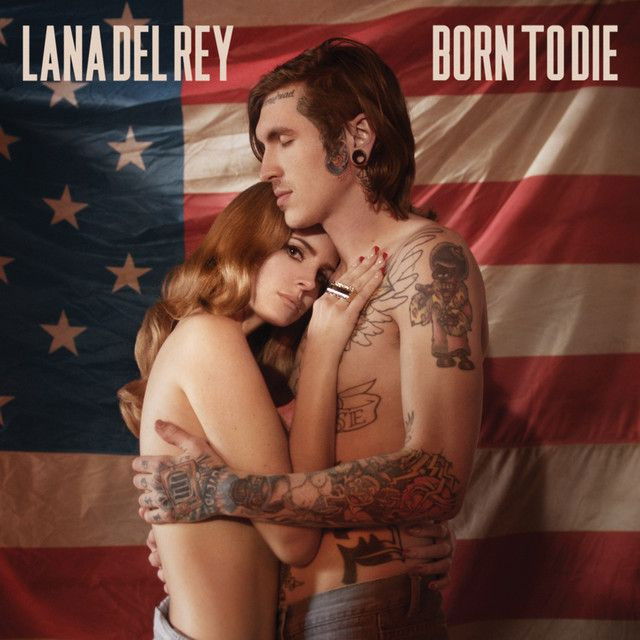
“Lucky Ones” appears on the deluxe edition of Born to Die as its closing bonus track, and fan-documented album credits list Lana Del Rey and Rick Nowels as writers, with Emile Haynie as producer and Nowels as co-producer. Those same credits note strings by Larry Gold and additional instrumentation from Patrick Warren. Those details help explain the song’s polished, cinematic sound. Source
In the lyrics, the speaker wants to leave a damaged place behind. Early lines frame the town and social circle as falling apart, then present the lover as the way out. When they sing about being on fire
and wanting to get out of this town
, the song is not just describing physical movement. It is describing emotional urgency.
Interpretation: this is a fantasy of escape, but it is also a survival story. The relationship matters because it offers a way to rise above fear, boredom, and collapse.

Watch the official Lucky Ones
music video
The chorus turns chance into destiny
The chorus is the key to the song’s meaning. Instead of saying love is guaranteed, it says love feels improbable and lucky. The image of the stars align
suggests that the couple did not simply choose each other. They feel chosen by fate.
That idea matters because the verses are full of instability. Friends are lost. The town is going down. The speaker admits fear and vulnerability. Against that backdrop, calling themselves the lucky ones is almost an act of disbelief.
Every now and then, the stars align
Could it be that you and me
are the lucky ones?
This brief moment captures the song’s emotional center. They are not bragging about romance. They are marveling that something good finally happened.
Rescue, risk, and romantic contradiction
One of the most interesting things in “Lucky Ones” is how it mixes tenderness with danger. The speaker says they were terrified and felt saved by this person, almost like being carried to safety. That makes the relationship sound soft and comforting.
Then the song shifts. The lover is described in less stable terms, including careless con
and crazy liar
. That is a sharp contrast. It suggests the speaker knows this person is flawed, maybe even reckless, yet still sees them as unmatched.
Interpretation: this contradiction is central to Lana Del Rey’s writing style. Love is rarely clean or fully safe. In her songs, romance often feels intoxicating because it combines devotion, danger, glamour, and emotional need.
Here, that tension makes the song more believable. The lover is not a perfect hero. They are simply the one person who makes life feel vivid and possible.
The voice of someone dropping the act
Another important line of thought in the song is identity. The speaker says they tried to behave properly, to act nice like a lady
, but this lover taught them it was good to be wild. That moment is bigger than romance.
It shows a person stepping out of a role. Instead of performing respectability, they choose intensity and honesty. The love story becomes a story about self-release too.
In that sense, “Lucky Ones” is not only about finding the right person. It is about becoming more fully oneself in their presence. The rush of first love and the rush of personal freedom get blended together.
How the production supports the message
The song’s arrangement helps sell that dream. The credited production team of Emile Haynie and Rick Nowels is known for lush, dramatic pop textures, and “Lucky Ones” fits that mold. The strings, soft percussion, and glowing keyboard layers create a feeling of lift rather than grit. Source
That matters because the lyrics could have been played as messy or chaotic. Instead, the production wraps the story in elegance. It makes escape sound glamorous. It makes emotional risk feel almost heavenly.
There is also a strong contrast between the song’s smooth surface and its anxious core. The music floats, while the words keep reminding listeners that the couple is running from something. That split is very effective. It turns the track into a romantic daydream with a shadow under it.
Where it fits in Lana Del Rey’s world
Within the Born to Die era, “Lucky Ones” feels like a softer, more openly hopeful entry. Many songs from that period mix desire with decay, wealth with sadness, and beauty with doom. “Lucky Ones” still has that DNA, but it leans more toward gratitude.
Even so, the hope never feels fully secure. The title itself suggests rarity. Lucky people can lose luck. That idea gives the song its fragile quality.
So the meaning of Lucky Ones Lana Del Rey is not just that two people fall in love. It is that they see love as a rare break in a broken world. The song celebrates connection, but it also knows how unusual that connection is.
Final reading: a fairytale with cracks in it
The strongest reading of “Lucky Ones” is that it presents romance as both salvation and gamble. The couple believes they have found something real enough to outrun the sadness around them. That belief is sincere, even moving.
At the same time, the song leaves small warning signs in place. The lover is unreliable. The world is unstable. The joy feels new, almost too new. That is why the song still resonates: it understands that love can feel miraculous precisely because it is never guaranteed.
Interpretation disclaimer: Song meanings are not fixed facts. This reading is based on the lyrics, credited production context, and Lana Del Rey’s broader themes, and other listeners may hear it differently.