
Why "Dance Me to the End of Love" Endures
The meaning of Dance Me to the End of Love Leonard Cohen starts with a surprise. Many people hear a graceful love song, full of romance and devotion. They are not wrong. But Leonard Cohen said the song’s central image came from a much darker place: stories of string quartets playing in Nazi death camps, a fact discussed in interviews and noted by sources such as Cohen’s official site and major profiles like The Guardian.
"Dance Me to the End of Love" - Leonard Cohen
Dance me through the panic 'til I'm gathered safely in
Lift me like an olive branch and be my homeward dove
Loading lyrics...
Unable to load lyrics
We're unable to display the lyrics at this time. Please try again later.
That history matters because it changes the song from a simple ballad into something larger. It becomes a meditation on how beauty can survive beside terror, and how love can remain human even at the edge of death.
A Love Song With a Shadow Behind It
On the surface, the song is a plea for closeness. The speaker asks to be guided, held, and carried through fear and desire. When they sing burning violin
, the phrase sounds poetic at first. In context, though, it suggests beauty made under unbearable pressure.
Cohen once explained that the song grew from the image of musicians playing while horror unfolded nearby, as reported in interviews collected by outlets including Songfacts and The Paris Review. Factually, that background is part of the song’s history. Interpretation: the lyric then asks whether love can still mean something true when the world is cruel.
That is why the song feels tender and haunted at once. It is not choosing between romance and tragedy. It holds both in the same slow dance.
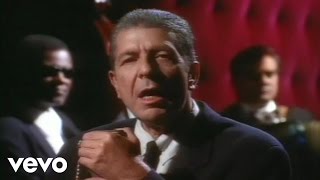
Watch the official Dance Me to the End of Love
music video
How the Lyrics Move Through a Whole Life
Rather than telling one clear plot, the song unfolds in stages. Each verse adds another part of human experience.
First, there is beauty and fear. The line gathered safely in
suggests a need for protection, not just passion. Love here is shelter.
Then the song shifts toward intimacy and mystery. The request to see beauty after the witnesses are gone implies privacy, trust, and a love stripped of performance. This is not about public romance. It is about what remains when no one else is looking.
Later, the lyrics move toward commitment. The image dance me to the wedding now
turns desire into ritual. After that comes family and future, with children imagined before they are even born. By the time the song reaches torn threads and shelter, love has become a force that must endure strain, damage, and time.
The Chorus as a Vow
The repeated phrase dance me to the end of love
is the heart of the song. It sounds simple, but it carries several meanings at once.
Interpretation: it can mean, “stay with me until love is complete.” It can also mean, “lead me until death,” since “the end” may point to both fulfillment and finality. That double meaning is one reason the chorus stays with listeners. It is romantic, but it is also aware that all love exists inside mortality.
Symbols That Deepen the Meaning
Cohen fills the song with spiritual and cultural imagery. The olive branch and dove suggest peace and return. Babylon hints at ancient sensuality and human excess. A wedding brings covenant, while a torn shelter suggests a home under pressure.
One of the song’s smartest moves is that these symbols never feel academic. They feel lived in. Even a phrase like every thread is torn
does not sound abstract. It makes love feel fragile, handmade, and still worth protecting.
Interpretation: the song argues that real devotion is not clean or perfect. It survives because people keep choosing it, even when the shelter is damaged.
Why the Music Feels So Warm
Part of the meaning of Dance Me to the End of Love Leonard Cohen comes from its sound. The recording, first released on the 1984 album Various Positions, blends folk, pop, and a light, almost European dance feel, as documented in album references like Discogs and AllMusic. The arrangement is elegant rather than heavy.
That choice matters. If Cohen had set these words to harsh or dramatic music, the song might feel overwhelming. Instead, the rhythm sways. The melody invites listeners in. Cohen’s voice stays measured and intimate, which lets the darker implications arrive slowly.
This contrast is crucial. The music says warmth; the imagery says fragility. Together, they create emotional depth. Listeners feel comfort and unease in the same moment, which mirrors the song’s central idea: love does not erase suffering, but it can answer it.
More Than One Valid Reading
There is no need to force the song into a single explanation.
- Literal romantic reading: it is about lovers asking to remain joined through every stage of life.
- Historical reading: it is about beauty made in the presence of atrocity.
- Spiritual reading: it imagines love as a sacred force that leads people through fear toward grace.
These readings do not cancel each other out. In classic Cohen fashion, they layer together. That is why the song has lasted for decades in films, weddings, and quiet personal listening alike.
Why It Still Connects
What makes the song endure is its balance. It is accessible enough to feel immediate, yet deep enough to keep opening over time. They can hear it at 20 as a love song, and at 50 as a meditation on survival.
In the end, the song suggests that love is not only celebration. It is guidance, refuge, touch, memory, ritual, and endurance. That is the lasting power behind the meaning of Dance Me to the End of Love Leonard Cohen.
Disclaimer: This article offers informed interpretation based on the lyrics, known artist comments, and recording context. Like many Leonard Cohen songs, its meaning remains open to personal reading.







