Why “Hallelujah” Still Feels Sacred and Broken
The meaning of Hallelujah Leonard Cohen is larger than a simple religious song. Leonard Cohen turned one famous word into a complicated human statement: praise mixed with desire, doubt, loss, and endurance.
"Hallelujah" - Leonard Cohen
That David played, and it pleased the Lord
But you don't really care for music, do ya?
Loading lyrics...
Unable to load lyrics
We're unable to display the lyrics at this time. Please try again later.
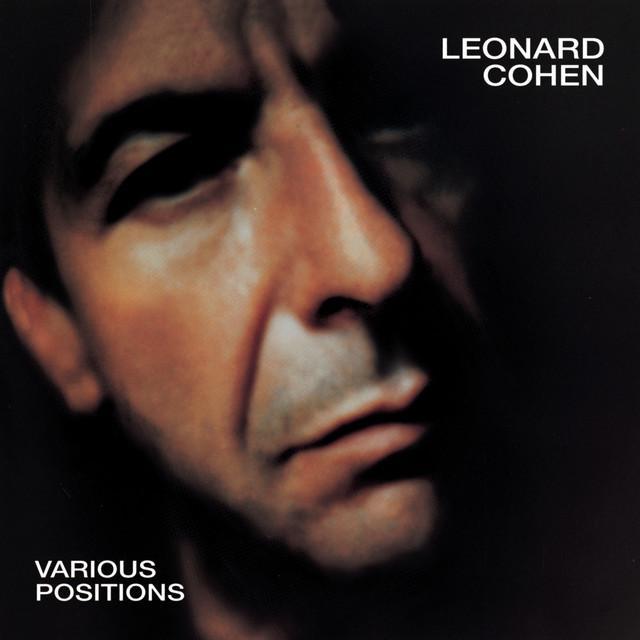
First released on Various Positions in 1984, the song was written by Cohen and later became far more famous through covers, especially John Cale’s 1991 version and Jeff Buckley’s 1994 recording. Research commonly notes that Cohen worked on it for years and drafted many verses before settling on versions he performed and recorded. That long writing process helps explain why the song feels layered instead of fixed.
A Praise Song for Imperfect Lives
At its core, the song suggests that people do not need a perfect faith or a perfect love story to speak a kind of praise. Cohen once said the world is full of conflict, yet there are moments when people can still embrace the whole mess and call it hallelujah. That idea sits at the center of the song.
Instead of offering one clean message, the lyric keeps returning to damaged beauty. Phrases like the minor fall
and the major lift
show that sorrow and uplift are built together. Even before the song reaches its emotional heart, it tells listeners that brokenness and wonder are part of the same experience.

Watch the official Hallelujah
music video
Biblical Images, Human Feelings
Cohen fills the song with biblical references, but he uses them to talk about ordinary human struggle. The opening image of a secret chord
brings in King David, music, and divine mystery. Yet the song quickly moves from scripture into personal frustration, as if holy stories still live inside modern relationships.
Later verses point to David and Bathsheba, then Samson and Delilah. The images of seeing beauty, losing power, and being undone by love make the stories feel less like church lessons and more like emotional case studies.
When Desire and Faith Collide
One reason the song lasts is that it never separates the body from the soul. In one verse, the speaker describes desire as something overwhelming and humbling. In another, spiritual language keeps returning even when love has failed.
Interpretation: The song argues that longing itself can sound like prayer, even when it comes from confusion or heartbreak. That is why the phrase broken Hallelujah
matters so much. It suggests a form of praise that survives disappointment instead of denying it.
This reading matches how others have described the song over time. Singer k.d. lang called it a struggle between human desire and spiritual wisdom, a useful summary of the tension Cohen keeps alive throughout the lyric.
The Chorus Means More Each Time
The repeated chorus is simple, but it changes meaning as the verses change. Early on, it can sound reverent. After the stories of temptation and collapse, it sounds bruised. By the end, it feels almost like surrender.
holy or the broken Hallelujah
That short contrast may be the clearest key to the song. Cohen does not ask listeners to choose between sacred and damaged forms of praise. He suggests both are real.
How the Music Carries the Idea
The original recording matters when discussing the meaning of Hallelujah Leonard Cohen. The song is built in 12/8 time, giving it a swaying, hymn-like motion. Its famous chord movement mirrors the lyric’s own musical explanation, turning form into meaning.
That self-awareness is part of the song’s appeal. It is about music, but it also demonstrates how music can hold conflict without resolving it neatly. The arrangement on Cohen’s original version is restrained and warm, which keeps the focus on reflection rather than drama.
Interpretation: Because the melody rises gently while the words admit failure, the performance feels like emotional acceptance. The song does not explode; it persists.
Why So Many Versions Work
There are more than 300 known versions of “Hallelujah,” which helps show how open the song is. John Cale’s cover was especially important because he selected from Cohen’s many draft verses, and Jeff Buckley’s version later became the one many listeners know best.
Different singers bring out different meanings. Some emphasize worship. Some stress grief. Others focus on sensuality or resignation. The song can hold all of those because Cohen wrote it with built-in ambiguity.
That flexibility also explains its huge cultural life in films, memorials, talent shows, and tributes. Even Cohen reportedly joked that the song had been used almost too often, yet he also said he was glad it kept being sung.
A Final Reading of the Song’s Last Turn
Near the end, the speaker admits limits: they tried, they failed, and they still arrive with one word left to say. This is one of the song’s most moving ideas. Praise is not presented as triumph after everything works out. It comes after honesty.
Interpretation: In that sense, “Hallelujah” is about spiritual survival. It says a person can face love, shame, beauty, distance, and failure and still answer life with something like gratitude.
What “Hallelujah” Finally Means
The meaning of Hallelujah Leonard Cohen is that praise can rise from a fractured life, not only from a pure one. Cohen joins scripture, sex, music theory, and heartbreak to show that human beings often meet the sacred through confusion rather than certainty.
That is why the song still feels intimate after decades of covers. It does not promise clarity. It offers recognition.
Disclaimer: This interpretation separates documented facts about the song’s history from critical reading of its lyrics. As with many Leonard Cohen songs, ambiguity is part of the art.







