Why 'The Gypsy's Wife' Feels Like the End
The meaning of The Gypsy's Wife Leonard Cohen starts with a question that never gets answered. The narrator keeps searching for an absent woman, but the song does not sound like a simple missing-person story. It sounds like panic, jealousy, and spiritual dread all at once.
"The Gypsy's Wife" - Leonard Cohen
I've heard all the wild reports, they can't be right
But whose head is this she's dancing with on the threshing floor
Loading lyrics...
Unable to load lyrics
We're unable to display the lyrics at this time. Please try again later.
Leonard Cohen often wrote songs where love, religion, and sorrow overlap. That is exactly what happens here. In this song, the missing "wife" feels real, but she also seems symbolic: a figure of desire, freedom, betrayal, or even salvation slipping away.
A Love Song Turned Into a Vision
On the surface, the plot is direct. The narrator asks where their "Gypsy wife" is and imagines her with someone else. Phrases like where is my Gypsy wife tonight
and wild reports
show a mind tormented by rumor and uncertainty.
But Cohen does not stay in plain realism for long. The song quickly moves into strange scenes filled with violence and ritual. That shift matters. It suggests that the speaker's jealousy has become a full emotional nightmare.
Interpretation: the woman may represent a literal partner, but she can also represent a lost source of meaning. Cohen often wrote about longing in ways that mixed the romantic with the sacred, and this song fits that pattern.

Watch the official The Gypsy's Wife
music video
The Chorus Sounds Like Obsession
The repeated plea is the emotional center of the song. Each return to the question makes the narrator sound less informed and more desperate. They are not gathering facts. They are circling the same pain.
That is one key to the meaning of The Gypsy's Wife Leonard Cohen. The refrain acts like obsession. Instead of moving the story forward, it traps the song in a loop of desire and fear.
Who Is Speaking?
The lyrics use a first-person voice, but the feeling is theatrical and unstable. The speaker seems both wounded and unreliable. They may be describing real events, or they may be projecting their own fears onto the world around them.
That ambiguity is classic Cohen. He often wrote narrators who confess, accuse, and mythologize at the same time.
The Images of Chaos Are the Point
The middle verse is especially dreamlike. Cohen brings in silver knives
, a tired old cafe
, and a ghostly bride. These are not everyday details. They create a stage where desire becomes dangerous and public shame turns ceremonial.
The bridal image matters because marriage usually stands for union, trust, and blessing. Here, that idea is distorted. A bride appears in a surreal setting, and the speaker reaches out in a gesture that feels half-defensive, half-surrendering.
Too early for the rainbow, too early for the dove
This is the song's one clear statement that comfort has not arrived. The rainbow and the dove are traditional symbols of peace after disaster. Cohen says it is too soon for either one, which places the song in the middle of judgment, not recovery.
Darkness, Flood, and Judgment
In the final section, the song grows larger than a private heartbreak. Cohen invokes the darkness
and the flood
, turning the emotional crisis into something close to apocalypse.
That does two things at once:
- It enlarges the speaker's pain until it feels world-sized.
- It introduces a moral dimension, as if love itself is being tested.
When the song warns that anyone who comes between lovers will be judged
, it sounds both intimate and biblical. Cohen often borrowed religious language without locking it into one doctrine. Here, judgment may mean divine punishment, but it may also mean the unavoidable cost of betrayal and interference.
Interpretation: this can be heard as a warning to rivals, but it can also sound like self-judgment. The narrator may be blaming others while revealing their own inability to let go.
How the Sound Supports the Meaning
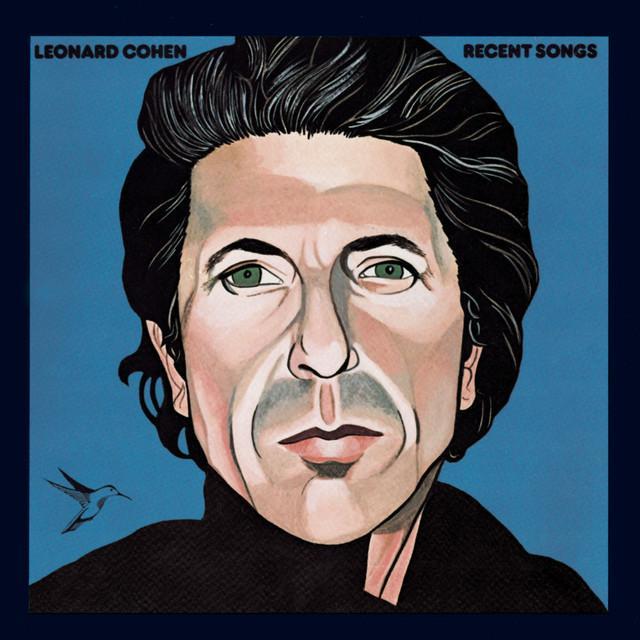
Cohen's recordings from the Recent Songs era are known for rich acoustic textures and a floating, old-world feeling. That style suits this song well. Rather than pushing hard rock energy, the arrangement tends to carry a haunted, processional mood more than a burst of anger.
That matters because the lyric is intense, but the performance is controlled. Cohen's calm, grave delivery keeps the song from becoming melodrama. Instead, they hear a man trying to speak clearly while standing inside emotional ruin.
The contrast is powerful: the voice is measured, but the images are wild. That tension helps explain why the song lingers. It feels both intimate and mythic.
Artist Context Makes the Song Richer
Cohen built his career on songs that treated romance as a place where body and soul collide. Across his catalog, love is rarely safe or simple. It is often tied to longing, guilt, prayer, memory, and surrender.
That broader context helps with the meaning of The Gypsy's Wife Leonard Cohen. The song is not just about losing someone. It is about what happens when desire turns into a spiritual emergency. The missing person becomes the center of a collapsing inner world.
A Clear Takeaway for Listeners
So what is the song about? Most likely, it is about jealousy and absence, but told through symbols of ritual, disaster, and judgment. The speaker is searching for a woman, yet they may also be searching for peace, faith, or order.
That is why the song feels so large. A private wound opens into a vision of chaos. Cohen turns heartbreak into prophecy.
Disclaimer: This interpretation is based on the lyrics, performance, and Leonard Cohen's broader writing style. As with many Cohen songs, multiple readings are possible.








