
Scott Farcas Takes It on the Chin by Less Than Jake
The meaning of Scott Farcas Takes It on the Chin Less Than Jake centers on burnout, hometown frustration, and the feeling of being trapped in a scene that never really changes. In just over two and a half minutes, Less Than Jake turn that frustration into a sharp, funny, and bitter portrait of local life.
"Scott Farcas Takes It on the Chin" - Less Than Jake
Are right now it feels like
Yeah it all feels like some
Loading lyrics...
Unable to load lyrics
We're unable to display the lyrics at this time. Please try again later.
Factually, the song appeared in 1997 and later on Hello Rockview in 1998, with Chris DeMakes on lead vocals and Howard Benson producing the album version, according to the Less Than Jake Wiki. The title likely nods to Scut Farkus, the bully from A Christmas Story, but the song itself is less about one person than a whole environment that wears people down.
A Small-Town Song With Big Annoyance
At its core, the song describes a place that feels stale, fake, and hard to escape. The narrator looks around and sees not possibility, but repetition. That is why one of the key phrases is some kind of circus show
. Before and after that image, the lyric suggests daily life has become noisy spectacle rather than something honest or hopeful.
Another recurring idea is that the town keeps playing the same old song
. In plain terms, they are saying nothing really changes. New people arrive, old patterns stay, and the culture keeps recycling itself.
This is a classic punk and ska-punk theme, but Less Than Jake make it specific. They do not just reject authority in a broad way. They describe the dead weight of a local scene, the kind of place where everyone knows the script and keeps acting it out.
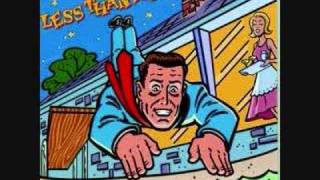
Watch the official Scott Farcas Takes It on the Chin
music video
How the Verses Build the Song's Complaint
The song moves through three linked complaints, and each one adds to its meaning.
First, the town feels theatrical and fake
The opening compares the present moment to a performance. Calling it a circus suggests chaos, phoniness, and people playing roles. The town is not a home in this reading. It is a bad show that keeps going.
Second, the place is actively damaging
The harshest image is chew you up
and spit you out. That line turns the town into a machine that consumes people. Instead of helping anyone grow, it takes energy, identity, and time.
This matters because the song is not only bored. It is wounded. The narrator sounds like someone who has stayed long enough to know the cost.
Third, escape becomes necessary
The lyric about being dragged away kicking and screaming
frames leaving as overdue. In other words, they may resist change, but they also know staying is worse.
that it's time to leave
that it's time to go
Those short lines work like a verdict. The song keeps circling back to them because the decision is emotional before it is practical.
What the Chorus Really Means
The repeated hook is simple, but it carries the whole song. When the track returns to the idea that it is the same old song
, it is not just complaining about boredom. It is naming a cycle.
Interpretation: the chorus suggests the real enemy is not one bad night or one bad person. It is the trapped feeling of sameness. That makes the song resonate with anyone who has looked at their town, job, or social circle and thought: nothing here is moving.
The line also shows memory at work. The narrator compares the present to how things felt years earlier and realizes the disappointment has lasted a long time. That gives the song a deeper sadness beneath the sarcasm.
The People in the Song Are Part of the Problem
One verse gets especially blunt, describing the town as full of unpleasant, self-destructive, and creepy people. The wording is intentionally ugly because the narrator wants the place to sound rotten from the inside out.
Still, the point is bigger than name-calling. The song argues that bad environments create disposable social worlds. It says every new face will soon be erased, which means local identity is unstable and shallow. People pass through, get worn down, and vanish.
Interpretation: this can be heard as a critique of scene culture. In many punk communities, belonging can feel intense but temporary. Less Than Jake capture that mix of closeness and emptiness.
Why the Sound Matters So Much
This song would not hit as hard if it were slow. The Hello Rockview version runs about 2:34 and charges forward with tight drums, distorted guitars, and the band’s signature ska-punk bounce. That mix of speed and melody mirrors the lyrics perfectly.
The horns, when heard in the broader album context, often give Less Than Jake a playful edge, but here the pace creates pressure more than joy. Chris DeMakes sings with clipped urgency, as if they are trying to outrun the town while still stuck inside it.
Producer Howard Benson, credited on the Hello Rockview recording, helps give the track a clean but aggressive punch. That matters because the song is not dreamy or vague. It feels immediate, like a rant delivered in real time.
For album context, Hello Rockview sits in the band’s late-1990s rise and remains one of their defining studio albums. Its polished attack makes songs like this land with both humor and frustration intact.
A Title That Adds a Layer of Mockery
The title is memorable because it sounds like a joke, and that is part of the song’s charm. Even without a confirmed band explanation here, the name suggests humiliation and conflict. It fits a track about getting battered by a place and finally admitting they need out.
That mix of comedy and resentment is very Less Than Jake. They often soften heavy feelings with wit, but the emotions underneath are real.
Why the Song Still Connects
Many listeners keep coming back to this track because its complaint is timeless. Plenty of people know what it is like to outgrow a hometown, a friend group, or a music scene while everyone else keeps acting like nothing is wrong.
The song says that recognition can be ugly, but also freeing. Once they see the pattern, they can leave it behind.
Final Take on Its Meaning
The meaning of Scott Farcas Takes It on the Chin Less Than Jake is about realizing a familiar place has become toxic through repetition, pettiness, and emotional decay. Its narrator is angry, tired, and darkly amused, but also clear-eyed enough to know that escape is the only healthy move.
That blend of sarcasm, speed, and hard-earned self-awareness is what gives the song its staying power.
Disclaimer: This article offers informed interpretation based on the lyrics, recording context, and documented release details. Meanings can vary from listener to listener.







