Love Is a Rose by Linda Ronstadt
The meaning of Love Is a Rose Linda Ronstadt comes down to one bright but tricky idea: love stays alive when it is cared for, not owned. The song sounds light on the surface, but its message is surprisingly firm. It treats love as something natural, fragile, and free.
"Love Is a Rose" - Linda Ronstadt
Only grows when it's on the vine
Handful of thorns and you'll know you've missed it
Loading lyrics...
Unable to load lyrics
We're unable to display the lyrics at this time. Please try again later.
Written by Neil Young and turned into a country hit by Linda Ronstadt in 1975, the song pairs sweet imagery with a warning. Love can bloom, but the moment someone tries to control it, they risk destroying it. That tension gives the track its lasting appeal.
A Love Song That Is Also a Warning
The chorus says almost everything. The image of a rose makes love seem beautiful and desirable, but the song quickly adds danger. In the famous line Love is a rose
, the metaphor is inviting. Then it turns cautionary with you better not pick it
.
Paraphrased, the point is simple: love thrives best when it stays rooted in trust and freedom. If someone tries to pluck it, keep it, or claim it as property, the beauty fades. The line Only grows when it's on the vine
reinforces that idea. Love needs living conditions, not possession.
That is why the final warning matters so much: say the word mine
. The song is not rejecting commitment. Interpretation: it is rejecting possessiveness. There is a big difference between loving someone and trying to own them.

Watch the official Love Is a Rose
music video
How the Verses Open the Song Up
Beyond the chorus, the verses add motion and desire. The singer wants to see new things, chase old dreams, and move forward with another person. These lines make the song feel restless and hopeful rather than wounded.
That matters because the narrator is not bitter. They are asking for shared experience, not control. When the song says let's go together
, it frames romance as a partnership. The dream is not about locking someone down. It is about traveling side by side.
A later verse shifts into playful rural imagery: hoedowns, western towns, dragging feet, and a wagon joke. Those details can sound casual, but they help the song feel grounded in everyday American life. Love here is not abstract poetry alone. It is dancing, movement, dust, humor, and timing.
The Symbol at the Center
Why a rose fits so well
The rose is a classic symbol, but this song uses it efficiently. A rose suggests beauty, scent, romance, and tradition. At the same time, it has thorns. That dual nature lets the song say two things at once: love is wonderful, and love can hurt.
Handful of thorns
you've missed it
In that brief image, the song suggests a failed approach to love. If someone grabs too hard, what they get is pain instead of connection. The beauty was there, but the method was wrong.
Nature versus ownership
The vine image deepens the metaphor. Vines grow, spread, and require patience. They cannot be forced into bloom on command. Interpretation: the song treats love almost like an ecosystem. It survives through care, space, and timing.
That reading helps explain why the lyric about saying “mine” lands so sharply. The song is not anti-romance. It is anti-captivity.
Why Linda Ronstadt's Version Lands So Smoothly
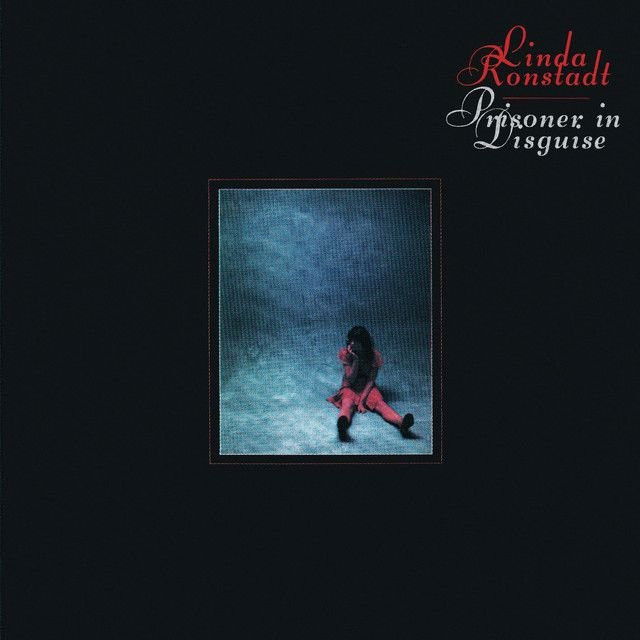
Ronstadt did not write the song, but they helped define how many listeners heard it. According to Wikipedia, her version was released on Prisoner in Disguise in 1975, produced by Peter Asher, and it reached No. 5 on the U.S. Billboard Country chart. That success matters because Ronstadt specialized in making emotionally direct songs feel both polished and open.
Her recording leans into a country arrangement, which softens the warning without removing it. The tempo is brisk, the melody is catchy, and the performance feels warm. Instead of sounding severe, the message sounds wise.
That balance is key to the meaning of Love Is a Rose Linda Ronstadt. The production keeps the song airy enough to sing along with, while the lyric keeps reminding listeners that love has rules of its own. In Ronstadt's hands, the lesson feels lived-in rather than preachy.
Neil Young's Writing and the Song's Backstory
The song was written by Neil Young and first recorded by him in 1974 before gaining wider early attention through Ronstadt's cover. Young later released his own version on Decade, while the earlier recording history connects it to the long-shelved Homegrown era. That context helps explain the song's plainspoken craft.
Young often wrote lyrics that sound simple at first but carry mixed feelings underneath. This song is a good example. It uses everyday language, but its view of love is mature. The lyric knows desire can easily slide into control.
Ronstadt's version keeps that wisdom while making it more radio-friendly. It is short, memorable, and direct, yet the idea inside it is larger than the running time.
The Best Way to Read the Song
The strongest reading is that the song teaches a healthy model of love. Real closeness cannot be forced. It must be allowed to grow. Interpretation: the rose stands for a relationship that needs freedom, patience, and respect.
A second reading is that the song is also about timing. If someone tries to seize a feeling too early or define it too tightly, they ruin it. That would explain the mix of eagerness and caution in the verses and chorus.
Final Take
In the end, “Love Is a Rose” endures because it says something hard in a graceful way. Love is beautiful, but it is not a possession. Ronstadt's bright country-pop version makes that message sound effortless.
Readers looking for the meaning of Love Is a Rose Linda Ronstadt can hear it as a lesson in how to love well: hold gently, move together, and do not confuse devotion with ownership.
Disclaimer: This interpretation is based on the released lyrics, recording context, and known song history. Like any song, it can support more than one reasonable reading.







