The Meaning of ‘Burn It Down’ by Linkin Park
They wrote an anthem about cycles—how we lift things up and then light the match. If you’ve wondered about the meaning of Burn It Down Linkin Park, this track frames destruction not just as rage, but as a decision to reset when trust and hype sour.
"BURN IT DOWN" - Linkin Park
As explosions broke in the sky
All that I needed
Loading lyrics...
Unable to load lyrics
We're unable to display the lyrics at this time. Please try again later.
Ruins as a Reset, Not Just Revenge
At its core, the song weighs the rush of creating something and the equal urge to undo it. The hook pivots between building it up
and burn it down
, pointing to a pattern: construction, collapse, renewal. The verses describe frustration and betrayal, while the chorus turns that pain into action.
Interpretation: They aren’t celebrating chaos; they’re recognizing that endings can be necessary when a structure—be it a relationship, a public image, or even a creative phase—no longer holds.
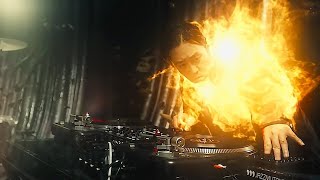
Watch the official BURN IT DOWN
music video
A Voice That’s Personal—and Also a Crowd
The verses use an “I” who feels misled and complicit. The chorus shifts to “we,” widening the lens to a group that takes part in the tearing-down ritual. When the narrator says you played king
, the song sketches a power imbalance. A moment later, I built you up
admits complicity: the speaker helped crown someone who would later fail them.
Interpretation: That shift from individual pain to collective agency mirrors how private grievances become public takedowns—online, in friend groups, or inside fan culture.
Why the Chorus Hits So Hard
The refrain’s simplicity makes it universal. The chant of burn it down
and the impatient we can’t wait
push the story from complaint to decision. Instead of sitting in hurt, they accelerate toward a clean break.
Interpretation: The chorus reads like a purge ritual—burning what’s hollow so there’s room for something real.
Symbols That Spark the Message
- Fire and explosions: exposure, consequence, and catharsis—the truth burning through spin.
- Crowns and soldiers: a rigged hierarchy where loyalty is exploited until it snaps.
- Clashing colors and “turns”: conflict and turning points that force choices.
- Flames being fanned: escalation by design; the narrator admits to stoking the fall with
fan the flames
.
Interpretation: These symbols turn a breakup scene into a larger parable about hype, power, and withdrawal of support.
How the Sound Turns Heat Into Motion
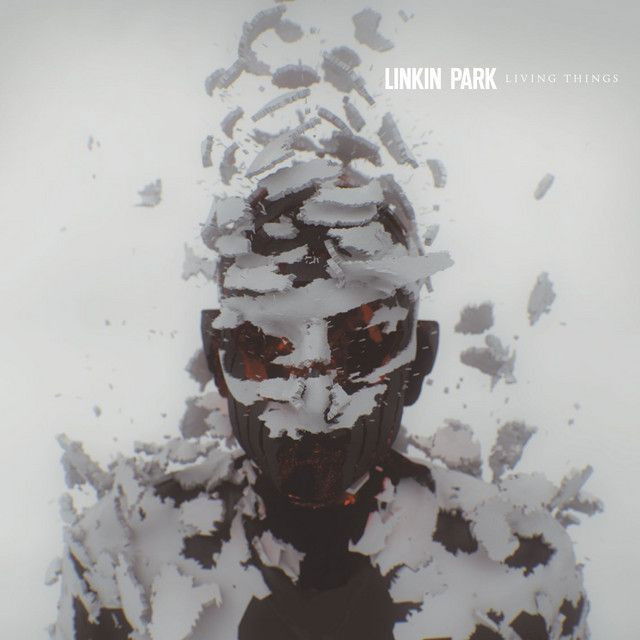
“Burn It Down” arrived April 16, 2012 as the lead single for Living Things, produced by Mike Shinoda and Rick Rubin. Its electronic-rock blend—synthetic arpeggios, four-on-the-floor kick, and polished guitars—feels like a fuse catching fire. Chester Bennington’s soaring melody pairs with Mike Shinoda’s rhythmic phrasing in a call-and-response that suggests debate and verdict.
Critics noted the track’s high-sheen mix and club-ready pulse, even as the lyrics sparked discussion. The band leaned into crisp, hook-forward writing after the more experimental A Thousand Suns. That clarity helps the message land: pop brightness carrying a darker choice.
Fact check: The song topped multiple U.S. rock charts and sold over three million copies domestically, underscoring how its blend of electronics and aggression resonated widely.
What the Band Has Said (Context, Not Command)
In interviews around release, Mike Shinoda described the meaning as open but tied to real experience: pop culture often builds public figures up, then tears them down. Chester Bennington highlighted the song’s high energy and electronic hooks as reasons it led the album cycle. Their comments don’t close interpretation; they frame it. The lyrics still leave room for private readings.
Two Clear Lenses You Can Use
Toxic relationship lens
The verses read like a personal reckoning: promises broken, loyalty exploited, and a final refusal to enable. The “I” recognizes their role in the rise, then refuses to cushion the fall. The burn becomes a boundary.
Pop-culture backlash lens
Zoom out and the “we” looks like an audience or media wave that elevates heroes and then turns. Here, the burning is collective outrage—a bonfire of hype when cracks appear (or even when rumors do the damage). The narrator both laments and participates.
A third angle sits between them: self-sabotage. If the same person helps build and destroy, the song becomes a confession about cycles they can’t escape—until they decide to stop rebuilding the same broken model.
Takeaway You Can Feel
The song’s power lies in turning pain into motion. It says: if a thing is rotting from within, the bravest choice may be to strike the match—and then build better. That’s why the refrain sticks; it’s a vow to stop feeding what fails you.
Disclaimer: Interpretation is subjective. This reading blends band context with textual and production analysis; your experience may differ.
Sources
- https://en.wikipedia.org/wiki/Burn_It_Down_(Linkin_Park_song)
- https://www.mtv.com/news/e7khyb/linkin-park-burn-it-down-video-chester-bennington
- https://www.huffpost.com/entry/mike-shinoda-huffpost-interview_b_1701699
- https://www.rollingstone.com/music/music-news/linkin-park-burn-it-down-single-95609/








