Why 'Fighting Myself' Hits So Hard
Linkin Park’s “Fighting Myself” is a song about losing a battle inside their own mind. At its center, the track shows someone trying to stay quiet, keep control, and protect other people from their pain—only to realize that silence makes the pressure worse. That is the clearest way to understand the meaning of Fighting Myself Linkin Park: it is about inner conflict, regret, and the exhausting cycle of trying to outrun emotions that keep returning.
"Fighting Myself" - Linkin Park
Every little thing that I think about just built on top of the pain and doubt
Even though I wanna just let it out, I
Loading lyrics...
Unable to load lyrics
We're unable to display the lyrics at this time. Please try again later.
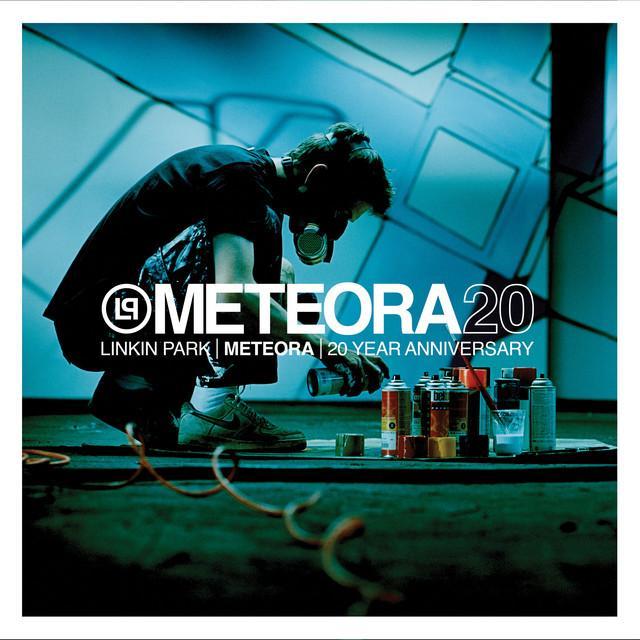
Released in 2023 as part of the expanded Meteora era, the song comes from the same creative period that made Linkin Park one of the defining rock acts of the early 2000s. According to the band’s official Meteora 20 rollout, “Fighting Myself” was an unreleased track from those sessions. That context matters, because the song sounds and feels deeply tied to the band’s classic mix of rap, rock, electronics, and emotional confession.
The Core Conflict Beneath the Chorus
The song’s central idea is simple but painful: they are not fighting the world as much as they are fighting themselves. The chorus says that plainly with fighting myself
and I always lose
. Before and after those words, the verses explain why the loss keeps happening.
They describe thoughts growing louder in private. Instead of speaking up early, they hide what they feel and hope it will pass. But the song argues the opposite. Holding everything in only intensifies the pain, until it spills over and damages relationships.
Interpretation: This makes the track less about one dramatic breakdown and more about a repeated pattern. They know what is happening, but self-awareness alone does not stop it.
Silence, Shame, and the Fear of Exposure
One of the strongest themes in the song is the fear of being seen at their worst. The speaker does not want others to think they are weak or overwhelmed. They try to appear steady, even while anger and self-doubt build under the surface.
That is why phrases like keep my mouth so quiet
matter. The line is not just about staying silent. It suggests self-editing, emotional suppression, and the pressure to look fine when they are not fine at all.
There is also shame in the second verse. They seem to regret that another person has now witnessed what was hidden. The problem is not only pain itself, but the embarrassment of letting it show. In that way, “Fighting Myself” fits a long Linkin Park tradition: songs where emotional suffering is made worse by isolation.
A Story of Regret in Fast Motion
The song unfolds like a cycle:
- Pain and doubt begin to pile up.
- They hide those feelings instead of naming them.
- The silence makes the emotions stronger.
- The pressure bursts out in harmful ways.
- They look back and blame themselves.
That cycle explains the line making more regrets
. Regret is not presented as one single mistake. It is cumulative. Every attempt to fix things is followed by another collapse.
Falling from grace
I watch it all come apart
Knowing I could've changed it
Those lines capture the song’s most painful emotional position: they feel both helpless and responsible. They are watching the damage happen, yet they believe they should have stopped it earlier.
What the Imagery Really Means
The lyrics use simple physical images to describe emotional strain. They cannot run, cannot see clearly, and cannot breathe. None of that needs to be read literally to be effective. The body becomes a map of mental distress.
The phrase weight on my back
suggests burden and history. The mention of being focused on the past shows how memory traps them. They are not only hurt by the present moment; they are pinned down by old failures and old anger.
Interpretation: The song’s repeated references to pressure and collapse hint that their biggest enemy is accumulated emotion. Anger is especially important here. It is not a sudden flare-up. It is described as something constant, almost like a force living inside them.
How the Sound Carries the Meaning
“Fighting Myself” works because the production mirrors the lyrics. The track has the sharp, compressed energy that fans associate with the Meteora period: turntable textures, programmed beats, heavy guitars, and the contrast between Mike Shinoda’s measured rap delivery and Chester Bennington’s explosive singing. In reporting on the release, Billboard noted the song’s origin in the Meteora sessions, which helps explain its familiar sonic DNA.
That sound matters to the meaning of Fighting Myself Linkin Park. The verses feel controlled, almost clenched. Then the chorus opens into bigger melody and force, like emotion breaking through restraint. The shift from tight rhythm to louder release matches the song’s message about suppression turning into overflow.
Bennington’s vocal performance is especially important. He sounds strained without losing melody, which gives the hook a human fragility. Shinoda’s presence, meanwhile, adds a more analytical voice, as if one side is narrating the problem while the other side is living it in real time.
Why the Song Connected So Quickly
Part of the reaction to “Fighting Myself” came from timing. Hearing a previously unreleased Linkin Park song from the early 2000s felt like opening a time capsule. But nostalgia alone does not explain the response. The song connected because its subject is familiar: many listeners know what it feels like to bottle things up, then regret what happens next.
It also feels classic Linkin Park in how directly it speaks. The language is plain. The emotions are not hidden behind complex poetry. That simplicity is part of the power.
The Lasting Meaning of the Track
In the end, the meaning of Fighting Myself Linkin Park is about self-sabotage born from unspoken pain. It shows a person who wants control, wants relief, and wants to protect others, yet keeps repeating the same emotional pattern. The tragedy is not that they do not care. It is that they care deeply and still cannot stop the damage.
That makes the song sad, but also honest. It gives shape to a very common experience: knowing what is hurting them, and still feeling trapped by it.
Disclaimer: This interpretation is based on the released recording, known band context, and public information. As with most songs, different listeners may hear different meanings.







