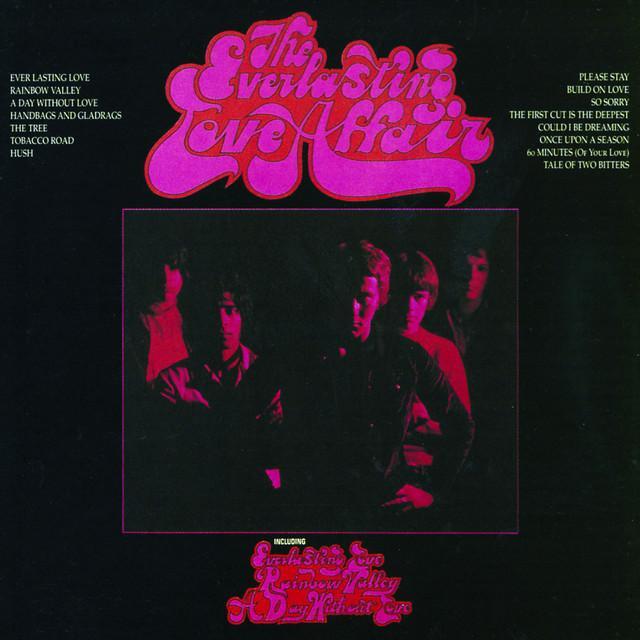
Why 'Everlasting Love' Still Feels So Big
The meaning of Everlasting Love Love Affair starts with a simple idea: someone comes back after causing pain and asks for another chance. But the song does not stay small for long. In Love Affair’s 1968 hit version, that private plea becomes a giant pop-soul promise about devotion, trust, and the hope that love can survive mistakes.
"Everlasting Love" - Love Affair
I went away, just when you, you need me so
You won't regret, I come back beggin' you
Loading lyrics...
Unable to load lyrics
We're unable to display the lyrics at this time. Please try again later.
Written by Mac Gayden and Buzz Cason, the song was first recorded by Robert Knight in 1967. Love Affair then turned it into a UK No. 1 hit in 1968, helping make it one of the most durable love songs of the rock era. Across decades, many artists covered it, which says a lot about how widely its message travels.
A Return, an Apology, and a Bold Promise
At the verse level, the story is clear. The singer admits absence and emotional damage. When they say hearts gone astray
, the song points to a relationship that has drifted into pain.
Then comes the turn: the speaker returns, asks to be welcomed back, and claims the bond can still be saved. This is not just a memory song. It is a second-chance song.
Interpretation: What makes it stand out is the speed of its emotional jump. The singer moves quickly from regret to certainty. Instead of slowly rebuilding trust, they leap toward a vision of forever. That can sound romantic, but it also reveals how pop songs often compress healing into one dramatic declaration.

Watch the official Everlasting Love
music video
Why the Chorus Feels Larger Than Life
The chorus is the key to the song’s staying power. Phrases like open up your eyes
and everlasting love
frame the reunion as a revelation, not just a reconciliation.
The speaker is not merely saying, “Take me back.” They are saying: see this love for what it truly is. That makes the chorus feel confident, almost ceremonial. Even the line about being a bride pushes the relationship toward permanence and public commitment.
Interpretation: This is why the hook feels bigger than the verses. The verses confess weakness; the chorus answers with destiny. The tension between those two moods gives the song its emotional lift.
How the Lyrics Build the Idea of Forever
The song keeps returning to images of endurance. One key line compares love to sunlight that keeps shining. Another repeated thought is last forever
, which strips the message down to its most direct wish.
There is also a small but important contrast in the lyric logic:
- Love can go wrong.
- People can leave when they are needed.
- Yet true love can remain strong.
That is the song’s emotional gamble. It asks listeners to believe that mistakes do not always cancel devotion. In other words, the relationship may be flawed, but the feeling is presented as constant.
Need a love to last forever
Need a love to last forever
This brief refrain matters because it sounds less like bragging and more like need. Under the big confidence of the chorus, there is vulnerability. The singer does not just promise permanence; they long for it.
The Sound That Sells the Emotion
Love Affair’s version matters because its production amplifies the meaning. According to the documented release history, the hit was recorded at Island Studios in London and produced by Mike Smith and Keith Mansfield. It became a UK No. 1 in early 1968, and the chart recording featured Steve Ellis backed by session players and a 40-piece orchestra rather than the full touring band. That history is widely noted in summaries of the single’s production and chart run.
Musically, that arrangement explains a lot. The song is rooted in soul, but Love Affair’s recording pushes it into bright, dramatic pop-soul. The beat is brisk. The orchestra gives the chorus sweep. The vocal sits at the center like a plea trying to sound brave.
Interpretation: The production makes “everlasting” feel believable for three minutes. Strings and strong rhythm create momentum, almost as if doubt is being pushed aside by sheer sound. The result is not quiet intimacy. It is love presented as a banner.
Artist Context Changes the Reading
There is an interesting layer to the Love Affair hit: only singer Steve Ellis performed on the final chart version, with session musicians and orchestra supporting him. That caused some controversy at the time, though it did not stop the record’s success.
This matters to interpretation because the song itself is about presenting certainty after instability. In a strange way, the polished studio construction matches the lyric’s emotional strategy. It turns messy human regret into a clean, convincing statement.
The song also proved unusually durable. It was first a hit for Robert Knight, then a UK smash for Love Affair, later a US Top 10 hit for Carl Carlton, and it kept returning in later covers. That long chart life supports the idea that its central promise is broad enough to fit many eras and styles.
So What Is the Song Really Saying?
The best answer is that the meaning of Everlasting Love Love Affair lies in the meeting point between apology and idealism. On one level, it is about one person asking to restore a damaged relationship. On another, it is about a fantasy many listeners recognize: that real love can survive errors, distance, and time.
That is why the song still works. It mixes need with confidence, hurt with hope, and human failure with a very bold promise.
Final Thought on Its Enduring Pull
Love Affair’s recording makes heartbreak sound recoverable and commitment sound thrilling. The lyrics are simple, but their emotional structure is smart: regret opens the door, and the chorus walks through it with total conviction.
Interpretation disclaimer: This reading is an informed interpretation based on the lyrics, recording context, and release history. Different listeners may hear the song as a reunion plea, a wedding-style vow, or simply a classic pop anthem about lasting devotion.







